Higher for longer: why low rates are relics of the past
There's growing evidence that interest rates are becoming less effective at slowing demand, meaning central banks have to lift rates further to ease inflation.
There's growing evidence that interest rates are becoming less effective at slowing demand, meaning central banks have to lift rates further to ease inflation.
As gloom envelops the property market, home owners outside of the major cities have at least seen values rise over the past 12 months.
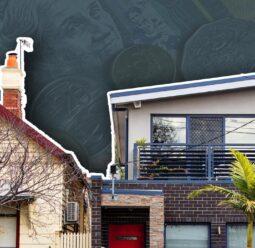
Renters and home-owners are likely to be in pain for some time yet as a fight picks up over whether tenants should be protected by caps.
First-home buyers are being told they will be in a better position to afford a property once Australia's widening housing downturn runs its course.
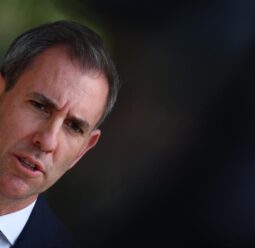
Labor and the coalition are duelling over why Australians now have to fork out more on their mortgages every month.
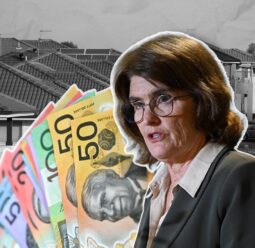
The Reserve Bank's decision to lift the cash rate to 4.6 per cent was unanimous, but economists are divided on whether borrowers can expect more hikes.

Australia's deficit for the past financial year is smaller than expected, but rising borrowing costs mean the fiscal outlook is still gloomy.
Australian mortgage holders can expect more borrowing pain when the Reserve Bank board meets, with an interest rate hike almost universally anticipated.
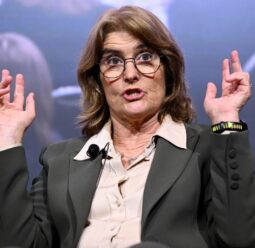
Australia's labour market is still tight and the unemployment rate likely needs to go up to ease persistent pressure on inflation, Michele Bullock says.
Unemployment data is not expected to deter the Reserve Bank from hiking interest rates for a fourth time in 2026 when it meets later in September.
Just months after being selected by President Trump with an expectation that he would cut rates, US Federal Reserve chief Kevin Warsh has hiked them.
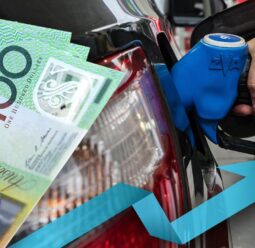
One of Australia's peak motoring bodies has stopped short of calling for a fuel excise cut but believes all options should be on the table as oil prices spike.
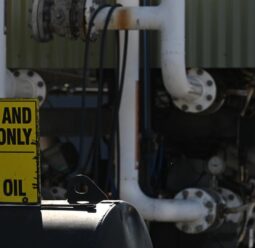
The war in the Middle East is threatening to push oil prices back above the crucial $US100 a barrel mark and make inflation even harder to get back to target.

Data centre investment and electric vehicle purchases are making it harder for the Reserve Bank to get inflation down as the likelihood of a rate rise firms.
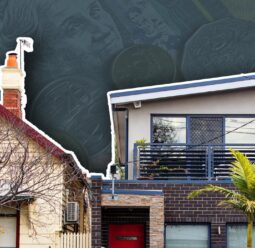
Three out of the four big banks are tipping the Reserve Bank to raise interest rates by November, with one forecasting a hike in a matter of weeks.
A collapse in property investor lending since the federal budget is good for the economy in the long term, the boss of the nation's biggest bank says.
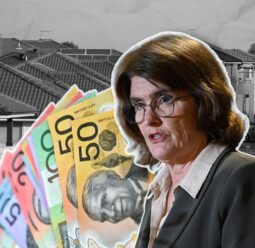
Borrowers are on notice with the Reserve Bank signalling it won't shy away from raising interest rates if inflation comes in higher than forecast.
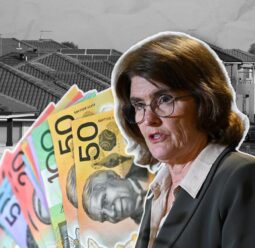
Inflation figures have come in under the Reserve Bank's predictions, but some economists warn they might not paint a true picture.

A larger-than expected rise in employment will not ease Reserve Bank fears about inflation as rising oil prices compound cost pressures.
Resilient jobs data is a bright spot for Australia's economy but the longer the Middle East conflict drags on, the worse the prospect for growth and inflation.
 construction and property
economy, business and finance
house building
housing and urban planning
interest rate
lifestyle (house and home)
real estate
construction and property
economy, business and finance
house building
housing and urban planning
interest rate
lifestyle (house and home)
real estate
Australia's housing market is undergoing a broad-based downturn with interest rate rises and affordability pressures denting investor confidence.
Property market data will soon be released after the Reserve Bank unveils a readout from its latest interest rate-setting board meeting.
breaking_news
economy, business and finance
employment
inflation and deflation
interest rate
labor market
labour
productivity
unemployment
More than 40,000 jobs have been added to Australia's economy to exceed expectations, but slowing growth could ease the Reserve Bank's inflation fears.
The Australian Bureau of Statistics will this week release inflation and employment figures for May and a senior Reserve Bank official will speak.
Despite property prices falling, the annual income required to afford a median house has risen by thousands of dollars in Sydney and Melbourne since January.
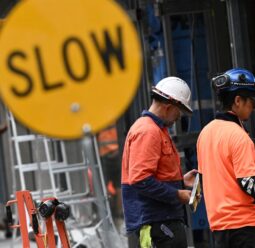
Stagnant productivity means households face higher inflation and lower living standards but the treasurer hopes cheaper housing will ward off voter discontent.
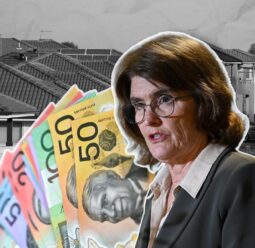
Economists are split on whether the Reserve Bank's latest cash rate decision heralds the end of the hiking cycle or merely a pause before the next move upwards.
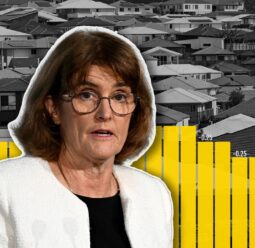
Borrowers can finally expect relief from quickfire interest rate rises with the Reserve Bank poised to maintain the status quo for the first time in 2026.
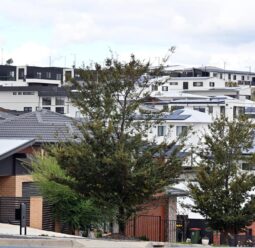
The Reserve Bank is widely tipped to leave interest rates on hold for the first time this year despite inflation still being above target levels.
Slowing economic activity and softer price growth could convince the Reserve Bank to keep rates on hold, with inflation pressures weaker than initially feared.
Reserve Bank governor Michele Bullock will get a chance to react to Wednesday's economic growth figures when she fronts a parliamentary hearing in Canberra.