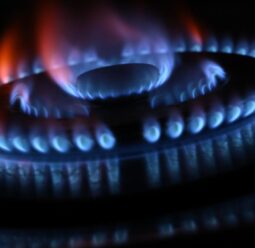
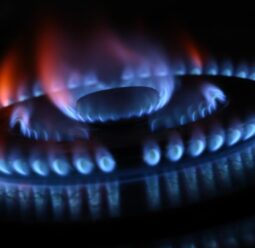
Australia's biggest energy infrastructure company has defended the role of gas in the nation's energy security and industry, after committing to a new pipeline.
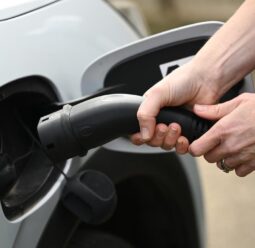
A fleet of more than 100 electric vehicles will be put to the test over three years to find out if vehicle-to-grid technology can cut costs and make money.
Donald Trump has put on hold a sweeping new sanctions package targeting the Russian economy, telling Congress the pause is in the national interest.
Clear rules and less 'green tape' are needed to ensure tech giants don't abandon Australia and take investments elsewhere, a climate leader warns.
Fewer end-of-life tyres would be buried in the ground and more recycled into new roads under changes recommended by a parliamentary inquiry.
A powerful greenhouse gas responsible for about a third of global warming is not being accurately measured by many oil and gas producers, a report has found.
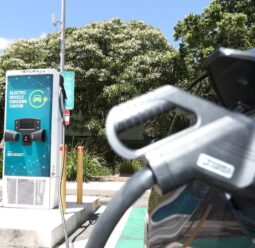
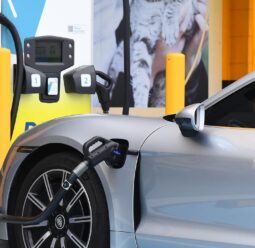
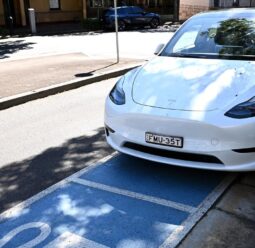
Electric vehicle charging bottlenecks and areas of high demand will be targeted by a $1.43 million national project as more motorists make the switch.
US President Donald Trump says Russia will supply diesel fuel to the global markets after a conversation with President Vladimir Putin.
Increasing global use of electricity is set to be a major focus at the COP31 summit in Turkey, but a report finds progress is falling short.
A Pacific event will set the agenda for the United Nations' global climate summit and groups are calling for Australia to push ambitious goals.
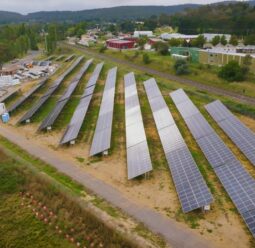
One of Australia's largest technology companies has signed a decade-long deal with a community-owned solar farm to help power a landmark building.
Australians are buying electric cars in record numbers and one fuel retailer has announced a deal to expand its coverage.
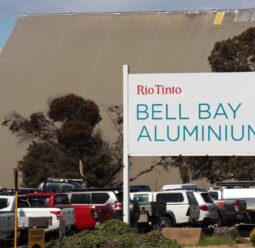
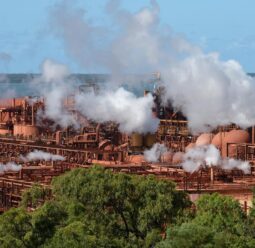
A multimillion-dollar rescue package has secured the immediate future of one of Australia's biggest aluminium smelters after years of uncertainty.
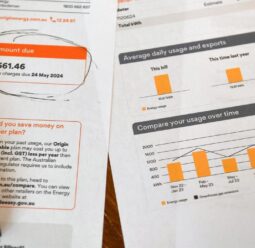
The size of your energy bill could depend on where you live as Australian states and territories take different approaches to electrification and efficiency.
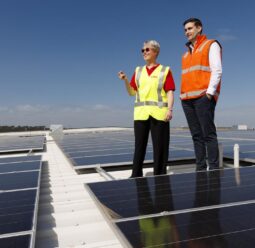
It is not just the bags that are green: a Melbourne supermarket will use renewable energy and customised technology to reduce its environmental footprint.
Australia could miss its 2030 climate targets unless more renewable energy projects move from the planning phase into construction.
Artificial intelligence firms might be dominating headlines but a $30 million program aims to put renewable energy start-ups in the funding spotlight.
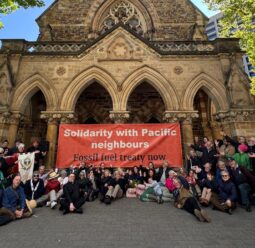
New gas and coal developments should not go ahead if the world is to stop climate change forcing Pacific islanders out of their homes.
More than 30 organisations will urge the federal government to do more in backing electric appliances, equipment and vehicles to cut costs and emissions.
Australia needs to phase out coal, gas and oil faster than planned to meet its climate commitments, a report says, with changes in energy, transport and mining.
Motorists are adopting electric vehicles in record numbers but the nation's public charging is struggling to keep pace with demand.
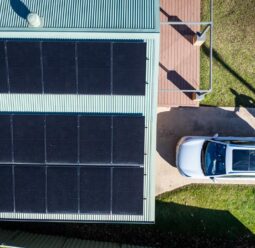
Spending on home energy upgrades such as insulation and solar panels is on the rise but renters and younger households may be left behind.
Keeping coal-fired power stations operating past their deadlines is delaying renewable energy projects, an industry group says.
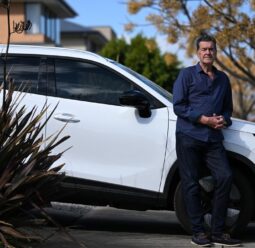
Six months after fuel price spikes, electric cars make up almost one in every four new cars sold but experts are divided over whether the trend will continue.
Fuel prices are up and so are electric vehicle sales, with Australian drivers now buying more battery-powered cars than either petrol or diesel models.
Earth is on track to exceed 1.5 degrees of warming within years, the United Nations has warned, exposing communities to more extreme weather.
Australia's carbon credit scheme is working, according to a review, but some of the nation's biggest polluters have become its biggest customers.
Record levels of solar, wind and battery use are pushing down emissions in Australia but bigger cuts will be needed to meet its climate goal.
Australian renters are paying $440 million to keep gas connected whether they use it or not, and one group is calling for change.
Australians who remain connected to gas could face rising prices under reforms proposed to deal with changing energy use.
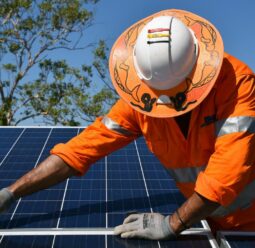
Solar and battery installation firms are booming with the help of government rebates but most fear a crash will hit when the support ends.
 economy, business and finance
energy (general)
environmental issue
global warming
oil and gas - upstream activities