Rain fails to dampen climate mission at pre-COP31 event
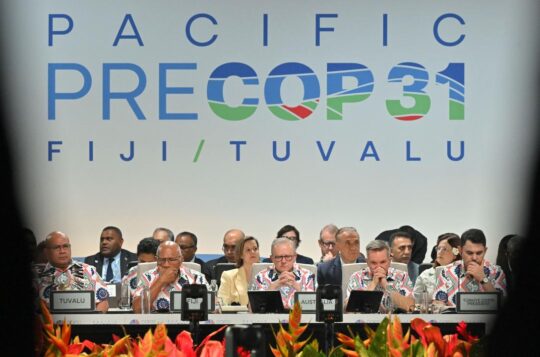
The government has defied critics and bad weather to highlight climate threats to Pacific nations but pre-COP31 also turned the spotlight on its commitments.
The government has defied critics and bad weather to highlight climate threats to Pacific nations but pre-COP31 also turned the spotlight on its commitments.
Increasing global use of electricity is set to be a major focus at the COP31 summit in Turkey, but a report finds progress is falling short.
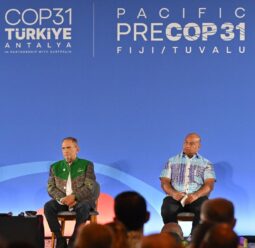
The tiny Pacific nation of Tuvalu has hosted presidents and prime ministers to demonstrate the starkest impacts of rising sea levels before major climate talks.
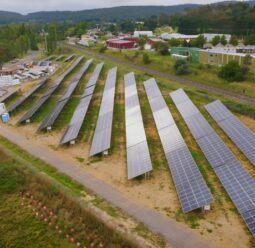
One of Australia's largest technology companies has signed a decade-long deal with a community-owned solar farm to help power a landmark building.
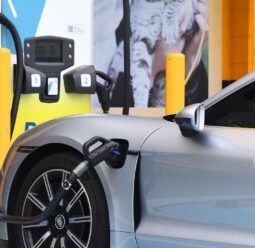
Australians are buying electric cars in record numbers and one fuel retailer has announced a deal to expand its coverage.
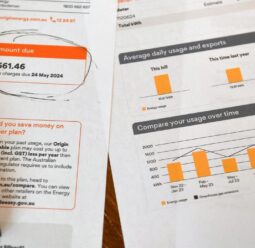
The size of your energy bill could depend on where you live as Australian states and territories take different approaches to electrification and efficiency.
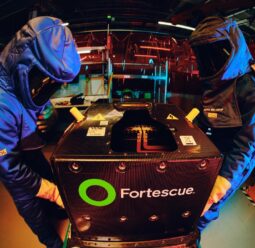
An Australian team could join the world's biggest electric racing series, with the company behind its rapid-charging technology preparing to step onto the grid.
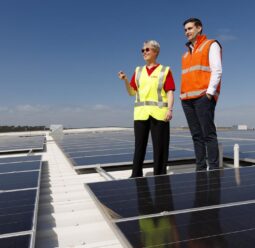
It is not just the bags that are green: a Melbourne supermarket will use renewable energy and customised technology to reduce its environmental footprint.
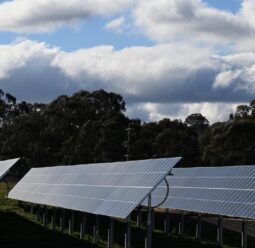
Australia could miss its 2030 climate targets unless more renewable energy projects move from the planning phase into construction.
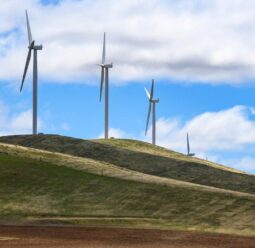
Artificial intelligence firms might be dominating headlines but a $30 million program aims to put renewable energy start-ups in the funding spotlight.

New gas and coal developments should not go ahead if the world is to stop climate change forcing Pacific islanders out of their homes.
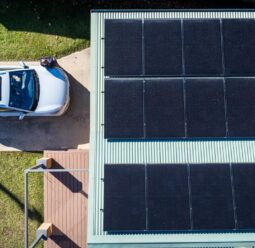
More than 30 organisations will urge the federal government to do more in backing electric appliances, equipment and vehicles to cut costs and emissions.
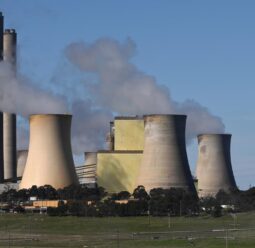
Australia needs to phase out coal, gas and oil faster than planned to meet its climate commitments, a report says, with changes in energy, transport and mining.
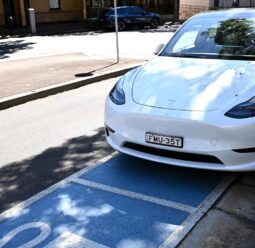
Motorists are adopting electric vehicles in record numbers but the nation's public charging is struggling to keep pace with demand.
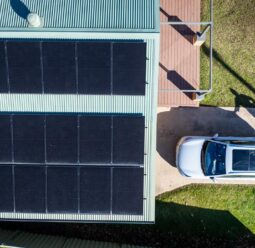
Spending on home energy upgrades such as insulation and solar panels is on the rise but renters and younger households may be left behind.
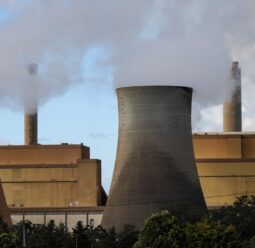
Keeping coal-fired power stations operating past their deadlines is delaying renewable energy projects, an industry group says.
The economic benefits of AI adoption are beginning to flow in Australia, with about 15 per cent of tasks and occupations set to be replaced by 2060.
A multimillion-dollar project designed to produce green fuels is a step closer to launch after securing a $30 million investment.
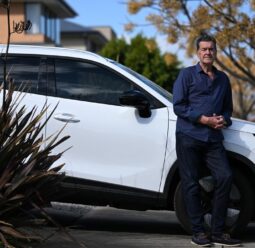
Six months after fuel price spikes, electric cars make up almost one in every four new cars sold but experts are divided over whether the trend will continue.
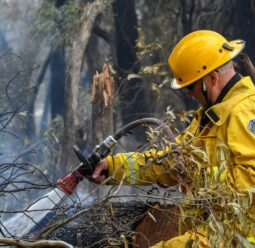
Earth is on track to exceed 1.5 degrees of warming within years, the United Nations has warned, exposing communities to more extreme weather.
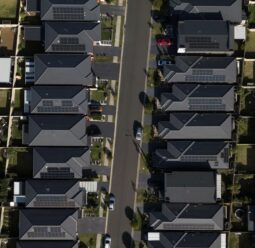
Twenty Australian solar research projects will attract a record investment to improve the technology and help to lower costs.
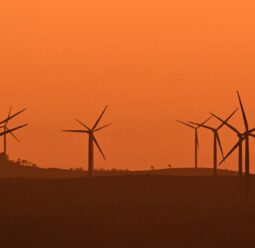
Record levels of solar, wind and battery use are pushing down emissions in Australia but bigger cuts will be needed to meet its climate goal.
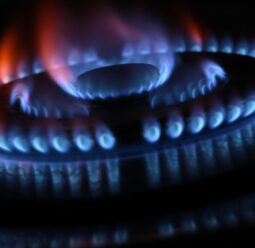
Australian renters are paying $440 million to keep gas connected whether they use it or not, and one group is calling for change.
Australians who remain connected to gas could face rising prices under reforms proposed to deal with changing energy use.
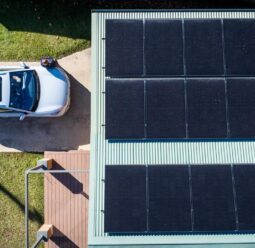
Australia's solar boom will create a significant waste problem, experts have told an inquiry, with tough rules needed to keep panels out of landfill.
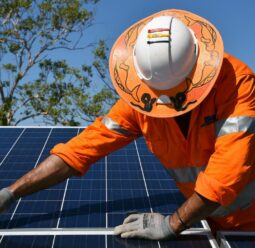
Solar and battery installation firms are booming with the help of government rebates but most fear a crash will hit when the support ends.
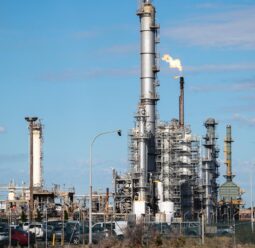
Fuel maker Viva Energy is working to repair a key processor for premium fuels to restore a fire-damaged refining facility to 100 per cent capacity.

Replacing fuel imports with renewable power could save Pacific countries millions of dollars if they can secure enough investment to make the switch.
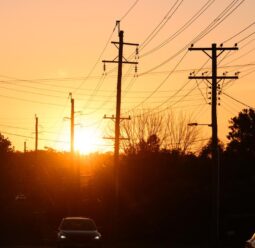
Artificial intelligence is set to make a major impact on Australia's electricity network, with a report warning about soaring demand from data centres.

Tougher rules to protect Australia's environment have been welcomed by developers, but conservation groups say they fall short of the changes needed.
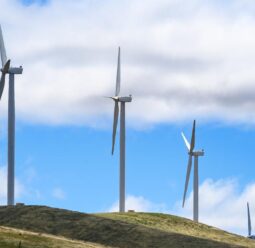
Renewable energy and batteries are pushing down wholesale power prices but a report warns they could rise again when coal-fired plants power down.