More cost relief on table as Aussies asked to save fuel
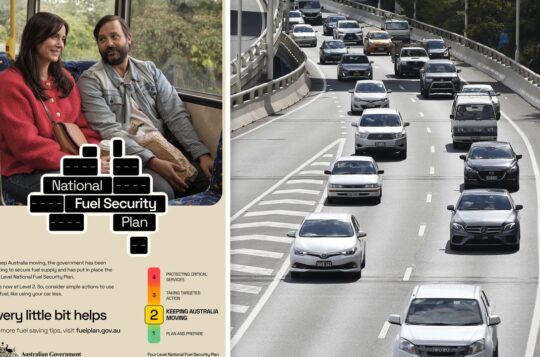
The impacts of the energy crisis will likely continue even if a Middle East ceasefire holds, the government warns as it prepares to roll out an ad campaign.
The impacts of the energy crisis will likely continue even if a Middle East ceasefire holds, the government warns as it prepares to roll out an ad campaign.
Ukrainian President Volodymyr Zelenskiy is concerned that a prolonged US-Israeli war on Iran could erode America's support for Ukraine.
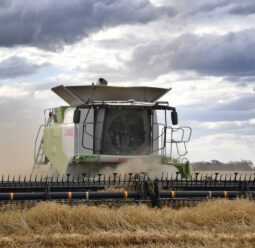
After a record-breaking year, agricultural businesses may need to change their approach to succeed amid worldwide supply issues.
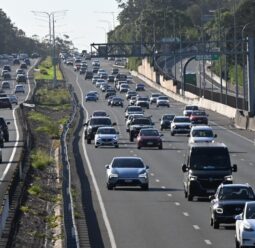
The global fuel crisis could be a turning point for electric vehicle sales in Australia, with one subscription service reporting record adoption.
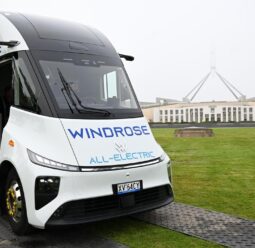
Three electric truck charging hubs will be built in one Australian capital city in the first stage of a project designed to power up the transport transition.
Power bill saving of up to $200 can be anticipated for some customers next financial year under proposed safety net prices.
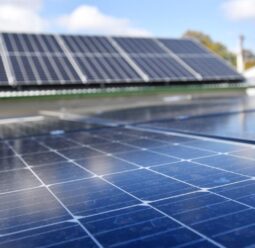
Zero-cost daytime energy is about capitalising on Australia's solar success story but more could be done to ensure renters and apartment occupants benefit.
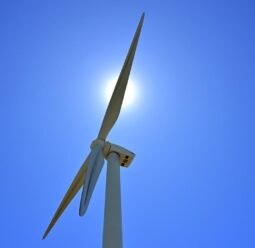
The savings from a new type of energy project could slash electricity bills for households in Victoria, NSW and Queensland, and consume less farming land.
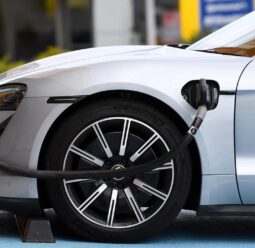
The next generation of batteries could power up electric cars within minutes and Australian researchers have developed a world-first proof-of-concept.
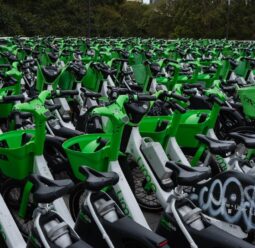
The number of depleted batteries is expected to rise dramatically but the trend represents an opportunity for Australian industry and jobs.
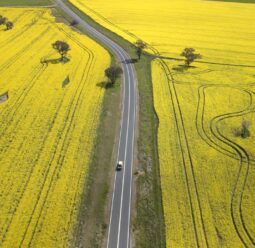
Neighbouring countries including Indonesia and Malaysia could beat Australia to lead the sustainable aviation fuel market despite its potential.
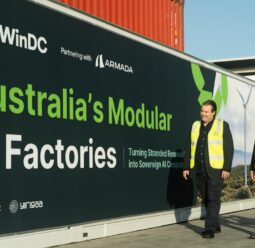
A network of portable data centres could be installed throughout Australia's regions as part of a plan to power artificial intelligence with renewable energy.

Australia is seesawing between floods and fires with increasing frequency, leaving a trail of ecosystem stress, property damage and strained council budgets.

Tax changes, more grants, and targeted training are among the recommendations of a sweeping review of Australia's research and development industry.
The US will begin releases from its strategic petroleum reserve next week in a bid to reduce oil prices.
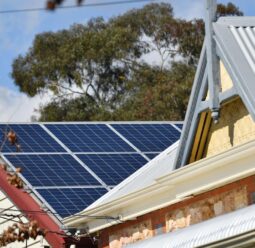
More than seven million homes will be eligible to receive a mark out of 10 for their energy efficiency but experts say the assessments should become mandatory.
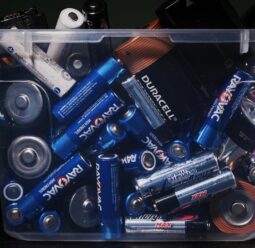
Millions of households are risking fires by getting rid of batteries in dangerous ways and the popularity of lithium batteries is raising the stakes.
The hundreds of thousands of disused buildings across rural Australia could be transformed into worker accommodation as renewable energy projects roll out.
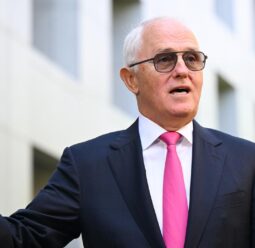
Hydropower projects should receive more support and faster approvals if Australia is to meet its renewable energy targets, a group has warned.
Australian oil and gas exploration and production company Beach Energy is concerned about the impact of a looming east coast gas reservation policy.
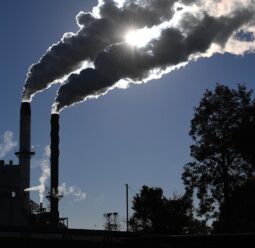
Australia could raise $35 billion a year by putting a price on pollution and help households and businesses by sharing the revenue, a report has found.
Australia is pressing ahead with its three-hour timeslot of free electricity as critics warn the design could disadvantage some customers.

A material touted as a candidate for next-generation solar technology is showing more promise, with Australian scientists behind its success.
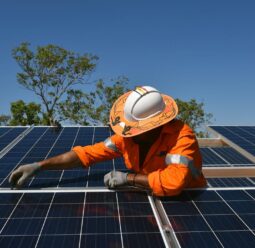
A national trial will recycle solar panels at the end of their working lives to extract valuable metals and boost Australia's circular economy.

The thorny issues of territory and the occupied Zaporizhzhia nuclear power plant will be on the agenda when US and Ukrainian negotiators hold talks.
Australia will divert more of its gas for local use rather than export under a long-awaited reservation policy designed to ward off shortfalls.
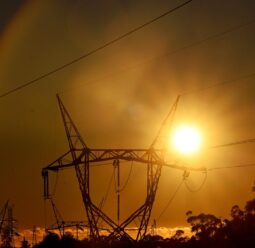
Wind and solar systems are projected to be the cheapest energy-generating technology in 2050 while small nuclear reactors will cost the most.
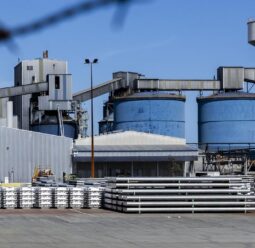
Australia's largest aluminium smelter has been handed a government lifeline to ensure it keeps running beyond 2028 amid spiralling energy costs.
Solar and wind firmed by storage and backed by gas remains the cheapest pathway to meet Australia's growing demand for electricity while reaching climate goals
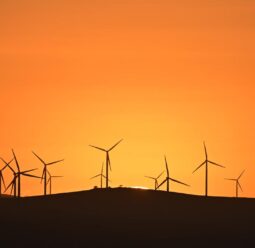
China has emerged as the world's biggest spender on clean energy technology and its lack of investments in Australia could be cause for concern.

Most Australians who rent their home say they avoid using cooling and heating appliances due to high costs.