Fuel fears drive more Aussie buyers to electric cars
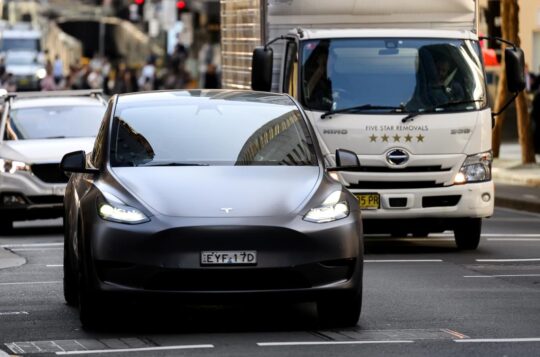
Fuel shortages and price rises are providing a "tipping point" for electric vehicles in Australia, with one brand selling out of its local stock.
Fuel shortages and price rises are providing a "tipping point" for electric vehicles in Australia, with one brand selling out of its local stock.
A $100 million scheme designed to cut the cost of buying an electric vehicle will launch during a period of record demand.
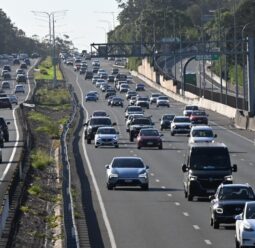
The global fuel crisis could be a turning point for electric vehicle sales in Australia, with one subscription service reporting record adoption.
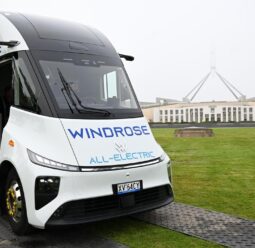
Three electric truck charging hubs will be built in one Australian capital city in the first stage of a project designed to power up the transport transition.
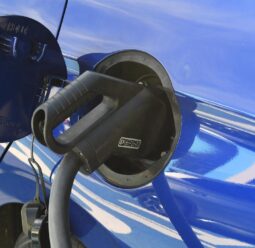
Enquiries about new and second-hand electric cars are setting records as motorists look for ways to avoid the rising price of petrol and diesel.
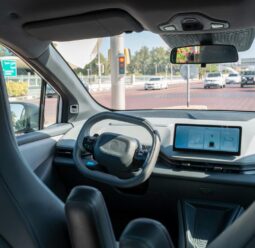
Australia could cut emissions and car parks by introducing self-driving cars, but the technology could also have unexpected negative effects on roads.

Cars, rockets and mining vehicles could drive themselves even when the global positioning system goes dark if a Sydney company succeeds in its mission.
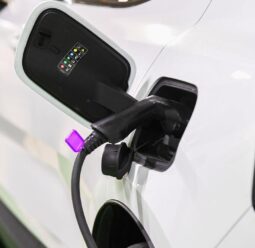
More than 100,000 Australians have taken advantage of the federal government's tax exemption for electric vehicles but households in one location are most keen.
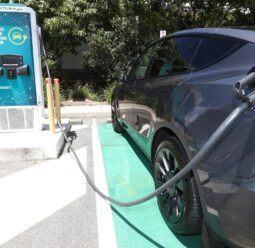
Many Australian motorists plan to park an electric or hybrid vehicle in their garage in future but one policy change could alter their path.
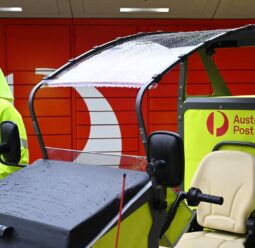
It boasts Australia's largest fleet of electric vehicles but one company plans to put even more electric trucks and motorcycles on the road to lower emissions.
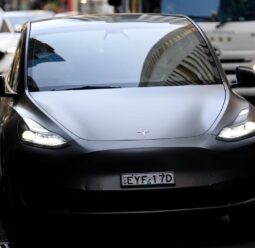
Electric vehicles have broken sales records in Australia even as the larger automotive market stalled, with sales of petrol and hybrid models falling.
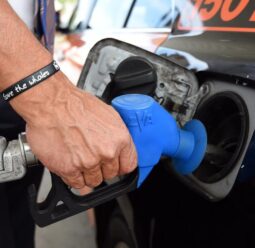
More Australians could turn to electric vehicles to avoid rising fuel costs if governments keep tax cuts for their purchase and consider new incentives.
Some of the most popular car companies in Australia and a selection of luxury brands have failed to meet emissions targets in their first year of operation.
Australia's biggest electric vehicle incentive is under review and both traditional car makers and the EV industry warns change could lead to a crash.
Finance on electric vehicles from two big brands will be subsidised by the government under a plan to cut the cost of low-emission cars.
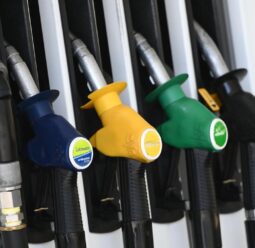
Australians are buying fewer cars that use fossil fuels alone as they shift allegiance to low-emission hybrid and electric models.
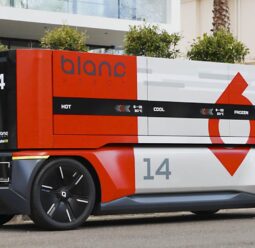
A Melbourne company creating vehicles with no seats, no doors and no steering wheel has secured an investment to boost its manufacturing.
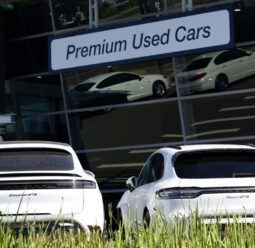
Australians are buying more used hybrid, plug-in hybrid and electric cars, although sales across all states and territories are slowing down.
The safest new vehicles in Australia are almost all electric, with the top performers delivering consistently across the various areas of testing.
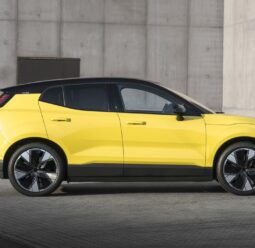
A serious fault has been identified in more than 2800 electric vehicles and, with no immediate fix, drivers are being warned not to fully charge the cars.
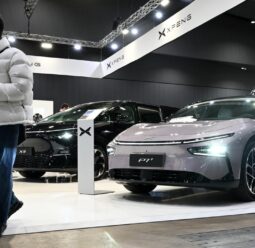
From Forthing to Farizon, consumers can expect plenty of fresh brand names in the local automotive market, with growth expected to almost double in a decade.
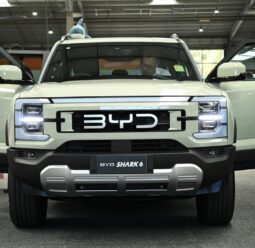
Australian motorists are increasingly choosing fuel-efficient vehicles but that does not mean a move away from SUVs or utes.
Chinese company BYD has become the world's bestselling electric vehicle maker, taking over from US rival Tesla.
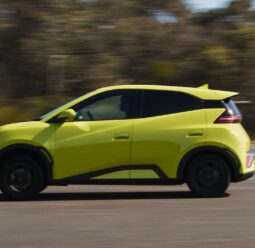
Twists and turns are coming to Australia's electric car market, from a potential road-user charge and tax reform to the price of models launching on our shores.
Ford is backing away from plans to manufacture large electric vehicles, citing lacklustre demand.

They may be quieter and heavier than petrol cars but electric vehicles are not more likely to crash into a pedestrian or to cause serious injury.
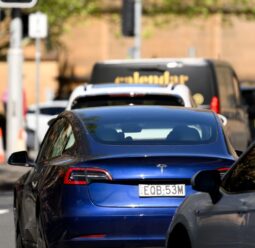
The growing popularity of hybrid and electric cars is helping to reduce Australia's transport emissions but big, old cars are slowing progress.

Hybrid, plug-in hybrid and electric vehicles are closing the gap on their petrol rivals with sales figures showing a change in consumer sentiment.
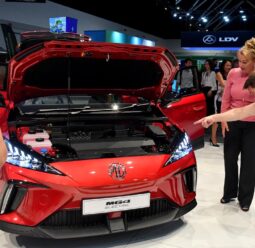
Battery-powered cars have been found using more energy than promised in independent tests, just like their petrol and diesel peers.
Hybrid vehicles are not just popular with new car buyers, as figures reveal the low-emission models are making up more second-hand sales.
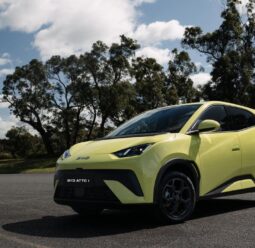
Australian motorists can expect to see more price competition in electric vehicles after one auto maker announced the cheapest model to date.