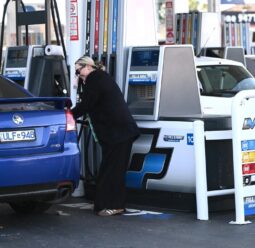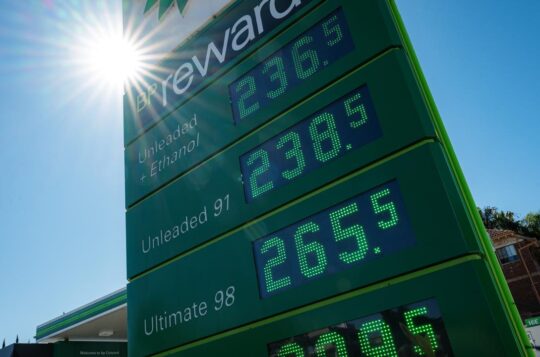
Fuel ‘shield’ would spare drivers worst of price shocks
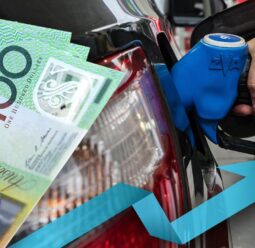
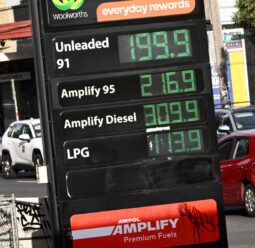
The fuel excise could be halved whenever global oil prices exceed $US100 a barrel under a coalition policy aimed at reducing cost-of-living pressures.
The fuel excise could be halved whenever global oil prices exceed $US100 a barrel under a coalition policy aimed at reducing cost-of-living pressures.
Australia needs to phase out coal, gas and oil faster than planned to meet its climate commitments, a report says, with changes in energy, transport and mining.
One of Australia's peak motoring bodies has stopped short of calling for a fuel excise cut but believes all options should be on the table as oil prices spike.
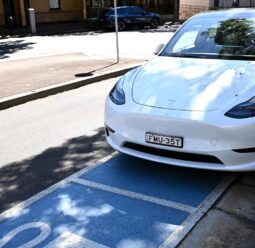
Motorists are adopting electric vehicles in record numbers but the nation's public charging is struggling to keep pace with demand.
A major gas exporter says it will stop contracting third-party gas for overseas shipments, amid calls for an enforced domestic reservation.
The war in the Middle East is threatening to push oil prices back above the crucial $US100 a barrel mark and make inflation even harder to get back to target.
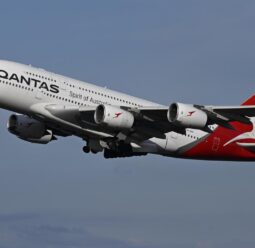
A multimillion-dollar project designed to produce green fuels is a step closer to launch after securing a $30 million investment.
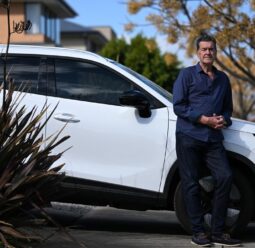
Six months after fuel price spikes, electric cars make up almost one in every four new cars sold but experts are divided over whether the trend will continue.
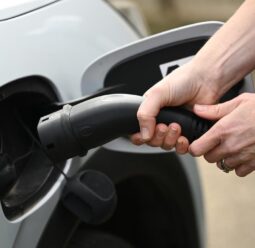
Fuel prices are up and so are electric vehicle sales, with Australian drivers now buying more battery-powered cars than either petrol or diesel models.
Fuel maker Viva Energy is working to repair a key processor for premium fuels to restore a fire-damaged refining facility to 100 per cent capacity.

Replacing fuel imports with renewable power could save Pacific countries millions of dollars if they can secure enough investment to make the switch.
Ampol, which owns one of Australia's two onshore oil refineries, has turned in a stellar first-half profit after oil market dislocation boosted its earnings.
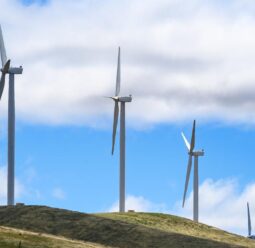
Renewable energy and batteries are pushing down wholesale power prices but a report warns they could rise again when coal-fired plants power down.
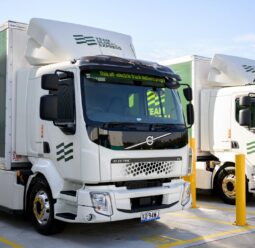
Australian laws are keeping heavy-duty electric trucks off the road, a report says, when they could boost productivity by more than $2 billion.
Drivers continue to feel the pinch at the bowser despite strong national fuel supplies, as the ongoing volatile war in Iran drags on.
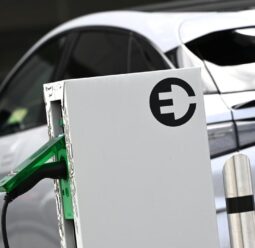
Electric and hybrid vehicles made up almost half of all new cars sold in July as Australian motorists turned away from rising fuel prices.
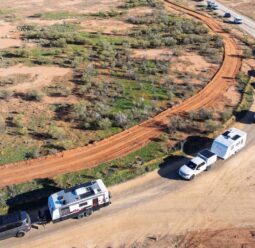
The rising cost of fuel has failed to deter thousands of music-loving campers hitting the road to travel to outback NSW for the Mundi Mundi Bash.
Households and businesses are bracing for more cost-of-living pressure as the government's fuel excise pause ends, pushing prices for petrol and diesel higher.
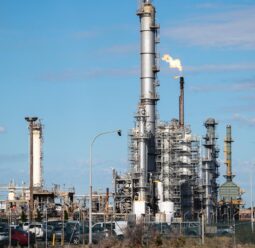
The company that owns one of Australia's two oil refineries says the Middle East war underscores the need to keep that capability, as the conflict continues.
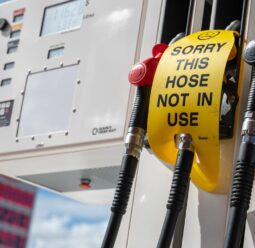
The Reserve Bank governor says interest rates may need to go higher, as Australia's weak productivity problem locks households in for lower living standards.
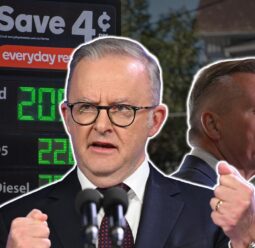
A study will examine locations for what would be the first refinery to be built in Australia since the 1960s, as a cut to the fuel excise is set to end.
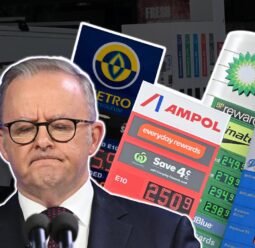
The nation's fuel supply remains secure despite the war in Iran but motorists should brace for rising prices as experts warn of extensive economic impacts.
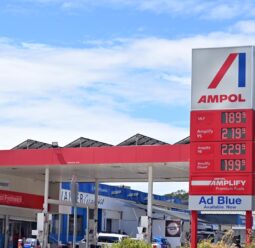
Australia's fuel reserves have hit all-time highs as the Iran conflict roils global oil markets, helping keep unleaded around $1.76 a litre in capital cities.

Oil prices are rising again as conflict between the US and Iran reignites, threatening a recent recovery in household confidence and spending.
While the government is concerned about the impact on petrol prices, the opposition warns a US toll in the Strait of Hormuz would set a dangerous precedent.
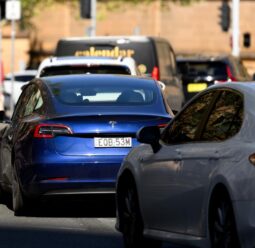
It's not just new car sales - electric vehicles are taking off in Australia's second-hand automotive market as buyers seek to avoid high petrol costs.
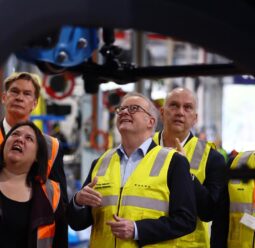
Electric prime movers built in Australia are finally ready for the road and they could change the way goods move from A to B.
Investing in two renewable energy sources could help boost Australia's fuel security, a study has found, but drilling for oil is no solution.
 auto trends
automotive equipment
consumer goods
consumers
diesel fuel
energy
energy (general)
environmental issue
environmental pollution
renewable energy
report
research
road transport
sales
transport
auto trends
automotive equipment
consumer goods
consumers
diesel fuel
energy
energy (general)
environmental issue
environmental pollution
renewable energy
report
research
road transport
sales
transport
Australians are buying a record number of new vehicles, and battery-powered models make up more of those cars than ever before.
Winding back discounts to the fuel excise are hitting motorists in the hip pocket, with service stations and suppliers monitored for exorbitant price rises.
Motorists feeling the cost crunch are encouraged to fill up tanks before the fuel excise discount is halved, with one cohort likely to feel its impact first.