‘Window closing’ for wildlife as bird flu threat mounts
Robyn Wuth |
Australia has been warned the clock is ticking to protect wildlife as another suspected bird flu case has been detected.
Experts have called for more federal funding to boost at-risk wildlife, saying there is only a small window to act while confirmed cases remain confined to migratory seabirds.
Officials on Tuesday said a giant petrel in South Australia had returned a suspect result for H5, prompting further testing as the national tally threatened to reach eight.
Six infections have been confirmed to date in migratory seabirds off Western Australia, South Australia and NSW.
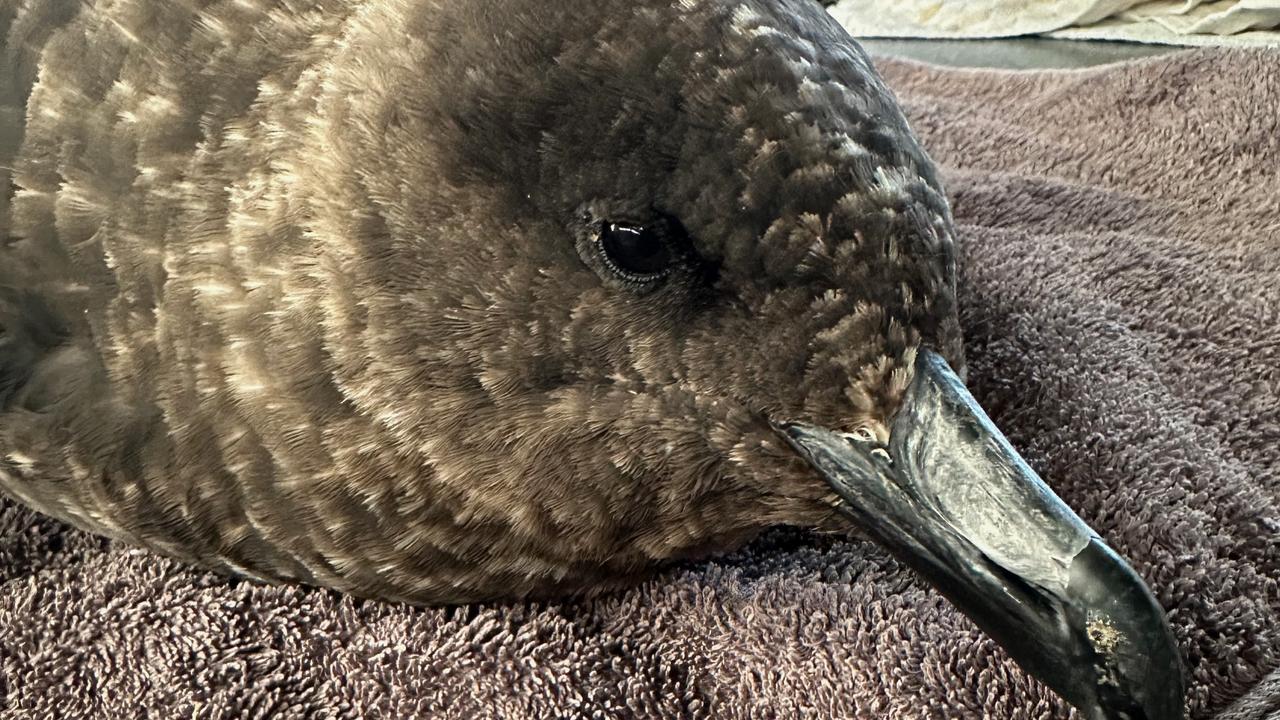
The petrel plus another suspect case in WA may push the tally higher.
The virus was first detected on the Australian mainland on June 14 in a brown skua found at Esperance on WA’s south coast.
The giant petrel was found at Hardwicke Bay in SA’s Yorke Peninsula and reported to the Emergency Animal Disease Hotline before being collected and sampled by the state’s Primary Industries and Regions department.
Samples that returned the suspect detection have been sent to CSIRO’s Australian Centre for Disease Preparedness in Geelong for confirmation.
If the result is upheld, it will be SA’s second confirmed case.
SA Primary Industries Minister Clare Scriven said the detection was disappointing but not unexpected, given the pathway the strain had taken to Australia via wild migratory birds.
The new suspect case was considered isolated and there were no signs of spread into native wildlife, she said.
”It’s important to note that we still don’t have any detections in commercial poultry flocks, captive birds or any other birds in South Australia, nor has it become established in any part of Australia,” Ms Scriven told reporters in Adelaide on Tuesday.

Authorities say the immediate risk to the public remains low.
However, environment groups have called for a $200 million Commonwealth cash injection over two years as part of an urgent bird flu plan.
The independent Biodiversity Council is among the groups calling for the extra federal funding, warning that relying on surveillance alone may not be enough if H5 spreads into native species.
The groups have asked for the money to be spent on strengthening resilience, improve surveillance and fast-track management plans for at-risk wildlife.
They have also called for response plans to be shared and developed with First Nations peoples.
Australian Mammal Society president Euan Ritchie said confirmed cases were still limited to migratory birds, providing a narrow chance to act.
”There’s still a window for the government to do more to limit hits to our most threatened species and ecosystems, our communities and our most exposed industries, including agriculture and tourism,” Professor Ritchie said.
Backyard chicken owners are being urged to separate their birds from wild visitors, keep feed and water under cover and enclose runs or aviaries with fine mesh.

Cats should be kept indoors where possible because they can catch H5 from hunting infected birds, vets say.
Dogs are considered at lower risk but should still be kept away from sick or dead birds.
People have been urged not to touch sick or dead birds and to record the date, time, location and number of affected animals.
Suspected cases should be reported to the 1800 675 888 hotline.
AAP