The adopted family members being dumped in hard times
Morgan Reinwald |
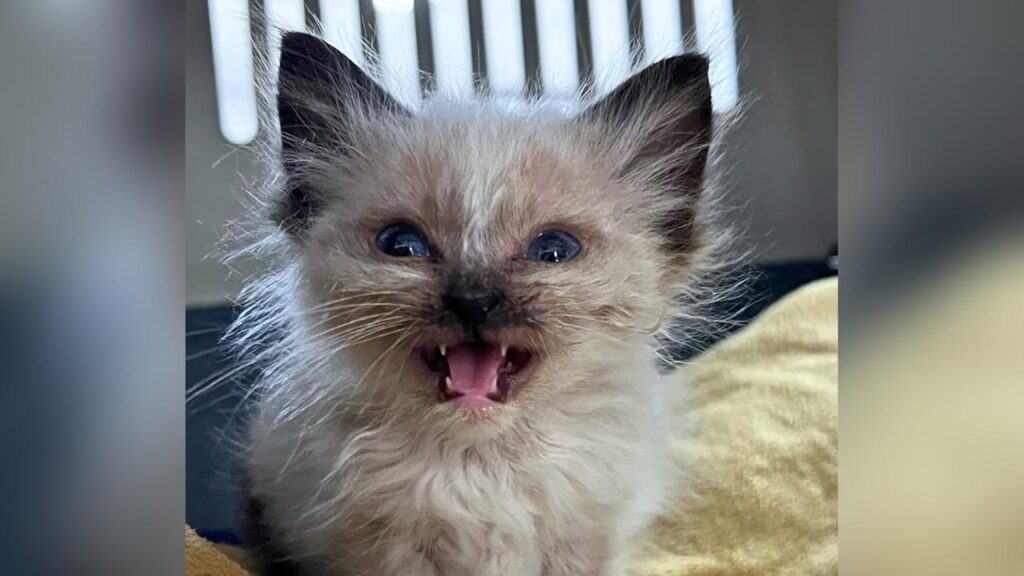
Baz is looking for love and open to meeting both men and women.
Recently split from a female, his online profile describes him as a small man but adventurous, endearing and cheeky.
“Baz has the biggest heart and an even bigger determination to keep going,” it says.
The eight-week-old ragdoll kitten, is currently living at Second Chance Animal Rescue in Melbourne.

“He was surrendered because the owner was facing a crisis and she could not give them the care that he needed,” says the shelter’s founder, Marisa Debattista.
“It was a regretful situation; she did not want to surrender him but had no choice.
“Times are tougher than last year, that’s for sure,” Ms Debattista adds.
In 2025, she had to find $200,000 to keep the lights on but lived to fight another day thanks to the kindness of strangers, or more precisely, their donations.
That said, having rehomed 17,000 animals and provided more than a million pet meals, Second Chance has reached its lowest point since opening its doors nearly 20 years ago.
The offerings to animal shelters in federal and state budgets are meagre, Ms Debattista says, and charitable donations have dwindled amid crushing cost-of-living pressures.
At the same time, and with children so expensive to raise, birthrates are at a record low.
It’s a reality that has changed the the tune for many Australians, say researchers.

The days where dogs were considered working animals are long gone, with 93 per cent of owners now viewing man’s best friend as a family member, according to a study commissioned by pet supplement maker ZamiPet.
But supplementing the financial burden of bringing a child into the world with caring for a pet hasn’t been a straight win, say animal rights advocates.
Indeed, pets have also become expensive to keep.
Ms Debattista estimates 80 per cent of the animals entering Second Chance are surrendered because their owners are in financial crisis.
A similar situation is occurring across NSW.
“Housing and cost-of-living pressures continue to be key barriers to keeping people and pets together”, says a spokesperson for the Royal Society for the Prevention of Cruelty to Animals.
“Currently, one in three surrenders at RSPCA NSW are due to housing or financial pressures.”
The RSPCA’s nationwide survey illuminates how pets are bearing the brunt where money stress is taking hold.

One in three Australians have delayed vet care for their pets because they could not afford it, the study found; one in five are not at all confident they could cover unexpected emergency care expenses.
This predicament played out in a South Australian court on Thursday where a 49-year-old woman and 55-year-old man were convicted of 24 counts of animal ill-treatment.
The verdict was handed down after RSPCA inspectors executed a search warrant at their property and found a number of cats suffering eye infections and evidence of others scouring.
“When the female defendant arrived, she stated the property had been in its unsanitary state for a month and that she was getting help to clean the house”, the RSPCA said.
“She also stated that the three kittens had been unwell for a couple of months and that she had planned to take them and the sick cats to the vet that day, though a vet appointment had not been made.”
The cost burden of visiting the vet is even seeing the likes of big banks and government departments issuing public warnings around pet ownership.

Commonwealth Bank estimates owning a dog costs $3218 a year and a cat, $1715, while the government’s Moneysmart site calculates $2520 and $1656.
Adam Guest, CEO and co-founder of Raw and Fresh, produces pet dietary products, and says he hasn’t put prices up in two years in an attempt to keep customer costs down.
“There’s still a lot of ‘cowboy-ness’ that goes through the pet food industry”, he tells AAP.
“What I mean by that is they put the guise on it – that it’s a human-grade high-quality piece of produce that they’re providing but it turns out it’s so far from that it isn’t funny.”
Mr Guest also donates hundreds of meals to struggling pet shelters each week.
One recipient is Pound Patrol Rescue in Sydney’s west, where founder Lisa Younes says food costs have rocketed from $800 a week to over $2500.
This has been is compounded by an increase in the number of abandoned and lost animals taken in.

It’s a perfect storm that has pushed things to the brink.
“Pound Patrol is in financial crisis,” read the shelter’s Instagram page in March.
“Our bank account is empty, we are burdened with vet bills, rent (our rent has just gone up a lot), food, and medications for our furry friends.”
Mr Guest’s generosity has been a lifeline but it might not be enough.
It’s a pattern being repeated countrywide.
At the Animal Welfare League in Queensland, rescue intake numbers have risen almost 12,000 in five years.
“Rehoming one dog might cost us $5000 once we look at the care for that animal”, says its manager Melinda Phipps.
It’s a stark reminder for anyone fancying the likes of Baz.
His big heart comes at a cost.
AAP