Australia rises in global extreme weather rankings
Jennifer Dudley-Nicholson |
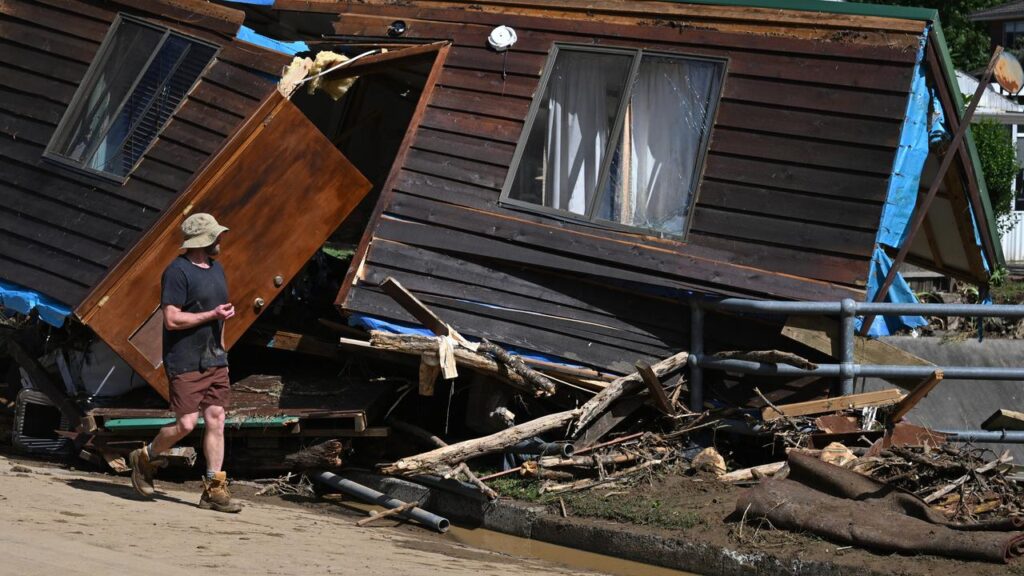
Australia has climbed the worldwide rankings of nations hardest hit by extreme weather, rising 26 places in the space of a year.
The country, famously called a land of droughts and flooding rains, is now among the top 30 nations most affected by climate disasters, up from 55th place in 2024.
Environmental group Germanwatch released the findings in its Climate Risk Index on Tuesday, which also found heatwaves had become the deadliest form of extreme weather, while storms caused the greatest economic losses.
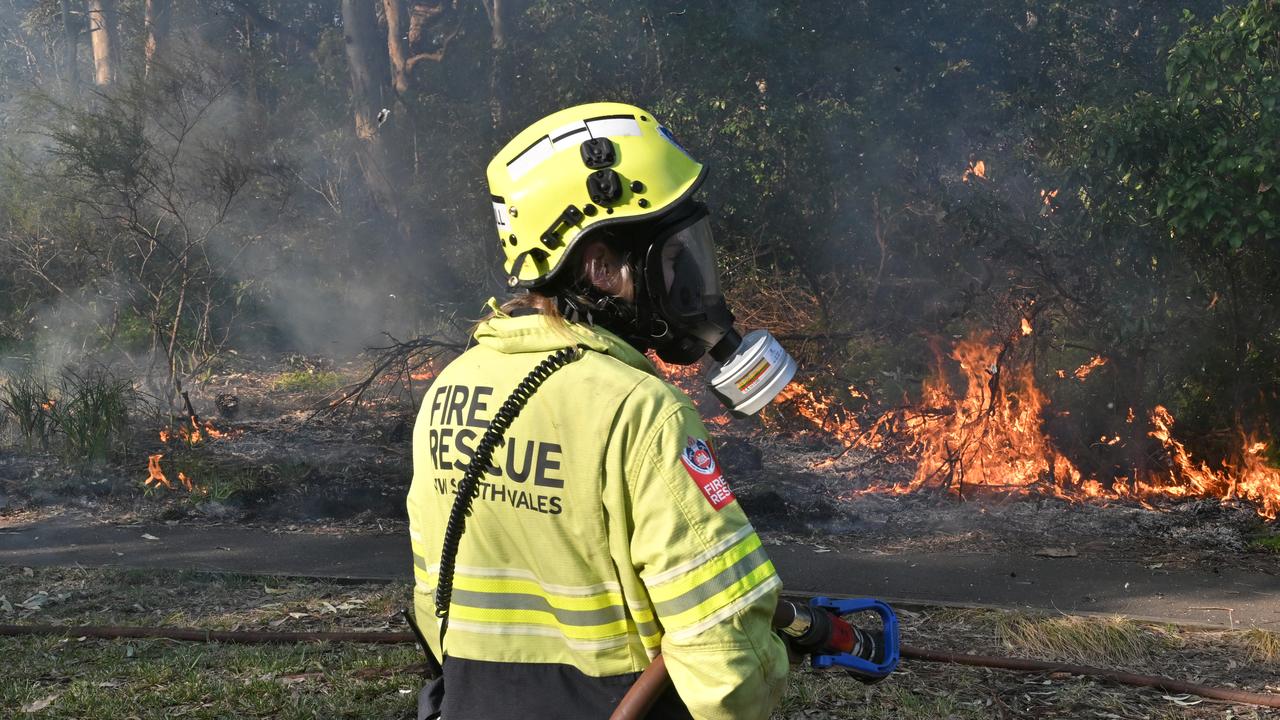
The findings come days after the Bureau of Meteorology warned a “strong to very strong El Nino” was under way, increasing the risk of hotter and drier conditions in Australia along with potentially dangerous bushfire conditions.
The latest edition of the global climate report combined information from the International Disaster Database with data from the World Bank and the International Monetary Fund to quantify the impacts of climate disasters.
It found 367 extreme weather events caused almost 35,000 deaths in 2025, affected more than 100 million people, and caused direct economic losses totalling more than $US158 billion ($A235 billion).
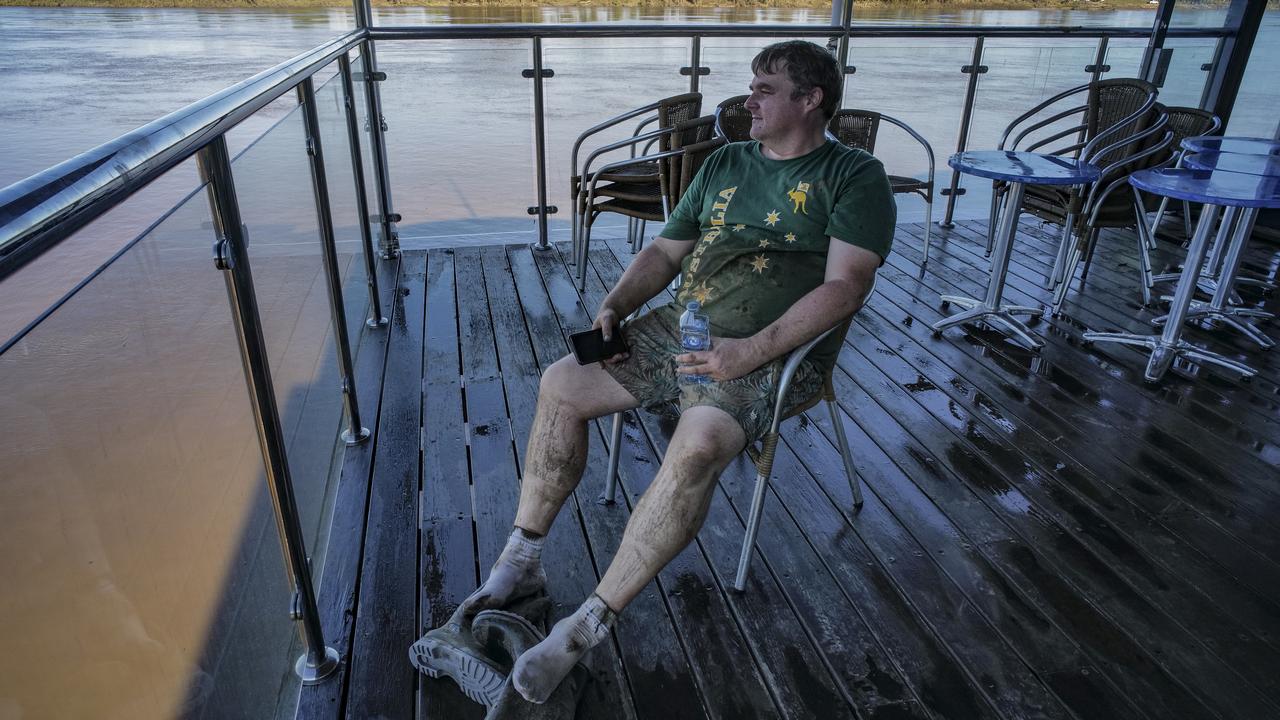
Heatwaves were by far the deadliest events, causing almost 70 per cent of all deaths (24,407) in 2025, compared with 40 per cent in the period since 1996.
But the impact of heatwaves could be even higher than reported, Climate Risk Index co-author Lisa Schultheiss said, due to unreported deaths in the Global South and the effect of recent European heatwaves.
“The human toll of inaction is alarming and it shows that the situation is becoming increasingly dramatic,” she said.
“Even though our current index does not yet include the dramatic heatwaves of 2026, it already confirms that heatwaves are the extreme weather event that claimed the most lives in the past 30 years.”
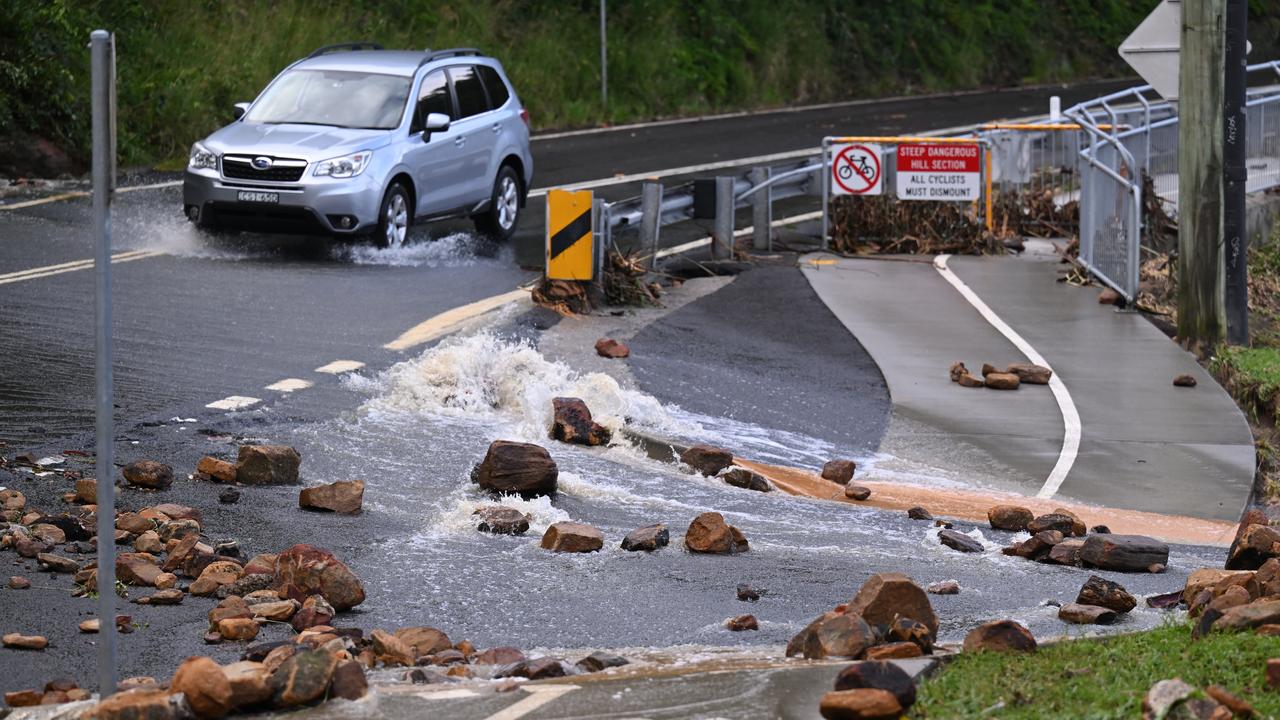
Australia ranked 29th in 2025, with researchers noting widespread flooding in eastern NSW at the end of May, caused by rainfall of more than 100mm a day.
The chance of extreme rainfall had increased by about 17 per cent as a result of climate change, the report said.
Pacific nations also ranked highly on the Climate Risk Index over the period from 1996 to 2025, with Vanuatu in 23rd place and Fiji in 35th.
Dominica, Myanmar and Honduras ranked as the top three nations hardest hit by extreme weather over the period, and report co-author Laura Schafer said most were poorer nations ill-equipped to recover and protect themselves.
“Among the 10 countries most affected in the past 30 years, the Bahamas is the only one that is per definition a high-income country,” she said.
“At the top of the list are nine countries that have been particularly hard hit by devastating tropical cyclones, often repeatedly, with subsequent storms destroying structures that had already been rebuilt.”
Since 1996, extreme weather events have claimed 916,000 lives, affected 5.5 billion people, and caused more than $US4.7 trillion in direct economic losses, the report found.
AAP