‘Not good enough’: pleas to act on Indigenous targets
Robyn Wuth and Lucinda Garbutt-Young |
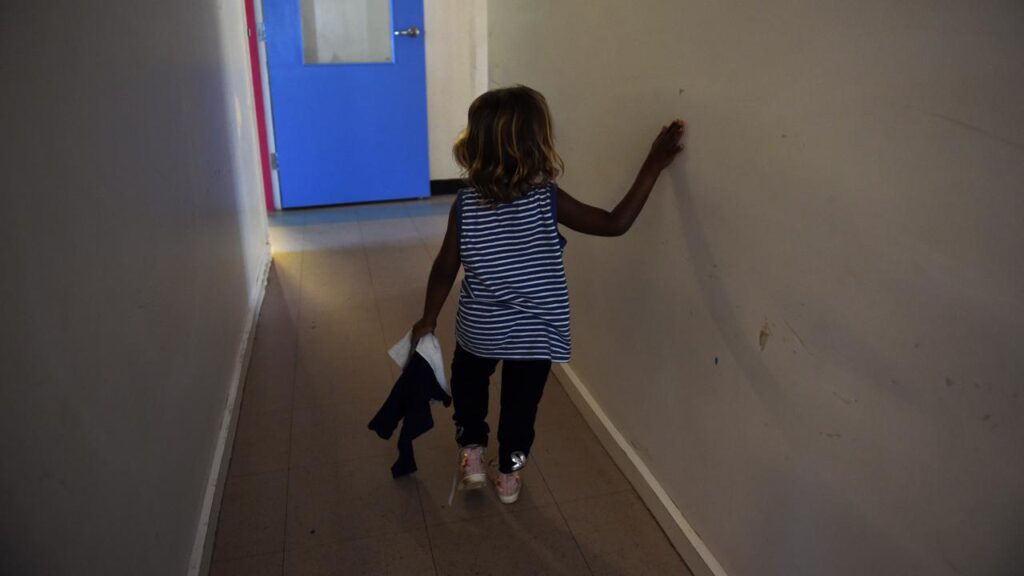
Authorities are being urged to work more closely with Indigenous groups as Closing the Gap targets fall badly behind expectations.
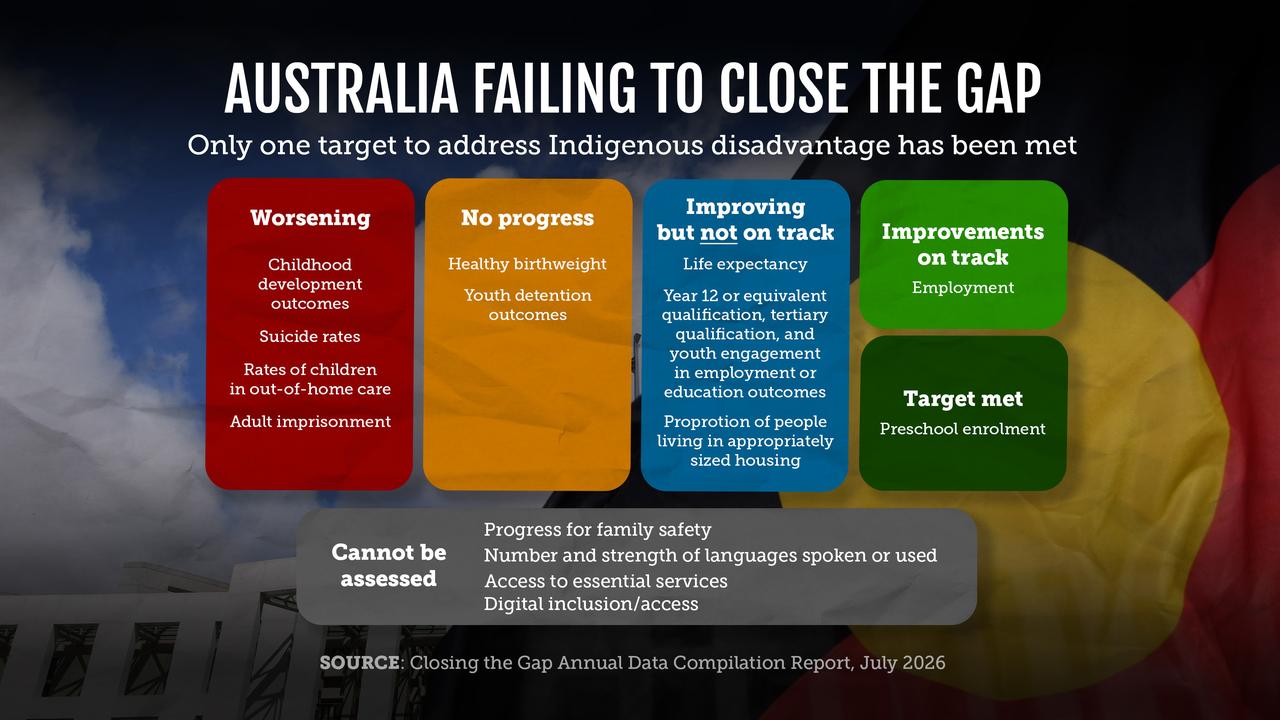
Out of 19 targets towards the National Agreement on Closing the Gap, five areas are improving but are not on track to be met and four are worsening.
Just three areas targeting socio-economic disparity are likely to be met on time, a Productivity Commission report found.
First Nations pre-school enrolments are the sole target being met nationally, more than halfway through the 2031 agreement period.
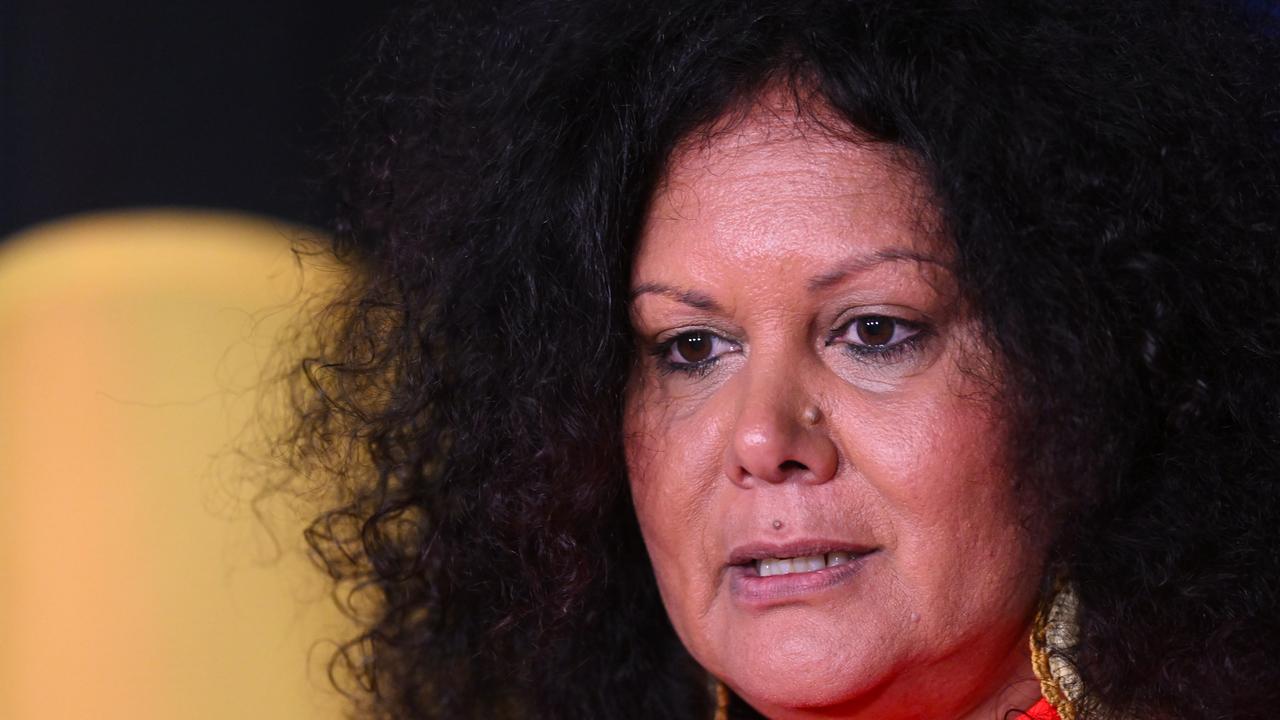
Achieving that milestone was important, Indigenous Australians Minister Malarndirri McCarthy told ABC RN on Thursday.
“That is because of the work of the Aboriginal and community-controlled sector and those involved in the preschool sector,” she said.
But it was clear “challenges remain” in addressing all other targets, including ones to do with incarceration rates.
The outlook is so bleak national commissioner for Aboriginal and Torres Strait Islander children Sue-Anne Hunter warned officials should be stood down for the lack of progress.
“If this was any other national agreement that was going backwards or just staying still, someone would actually lose their job,” she told ABC24.
“We can’t have an agreement that we’re not adhering to … it’s not good enough.”
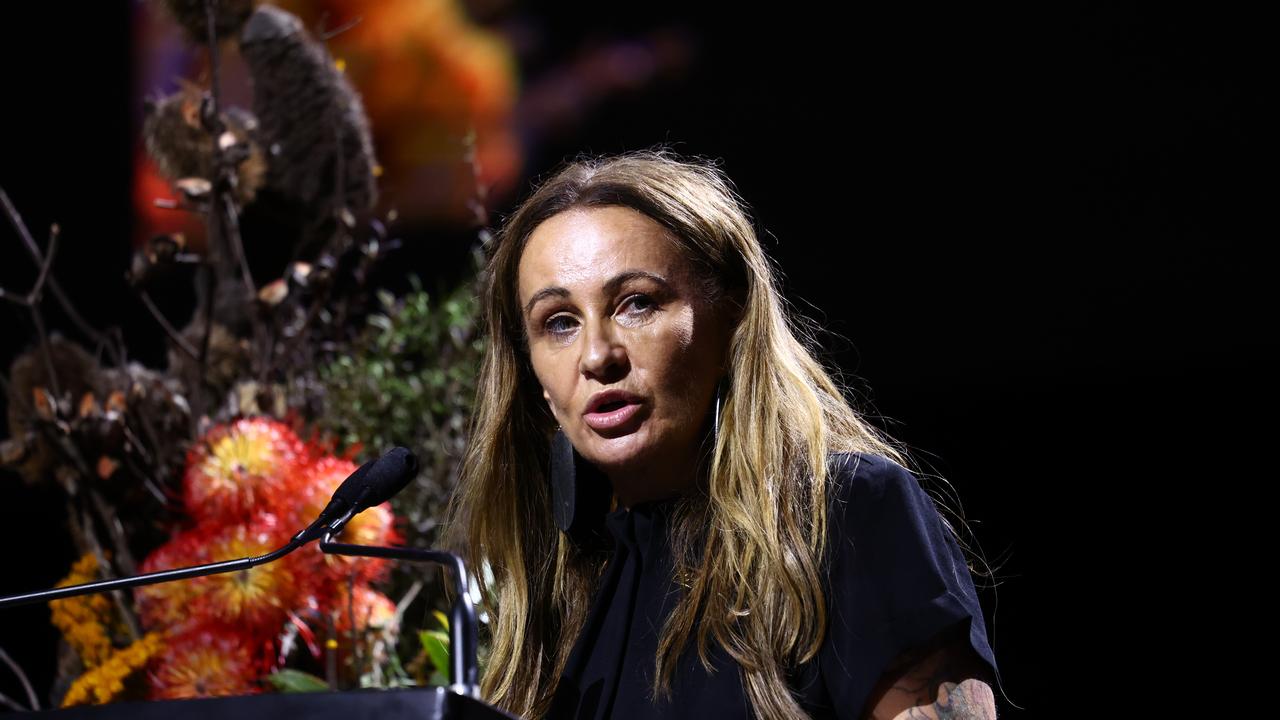
Coalition of Peaks lead convenor Donnella Mills added her voice to the growing concern, saying federal, state and territory governments needed to work more collaboratively with Indigenous groups.
“Governments need to do more to embed the priority reforms in their work to close the gap and achieve the outcomes our people have fought for over decades, especially those governments where targets are going backwards or have stalled,” she said.
Adult imprisonment, childhood development, out-of-home care and suicide were the areas moving backwards.
The report served as a warning to governments that lacked investment in children’s wellbeing as they aged, chief executive of the Secretariat of National Aboriginal and Islander Child Care Catherine Liddle said.
“The lack of progress on out-of-home care and youth detention should act as a reminder that the same ambition is now needed further along a child’s journey, with sustained investment in prevention, early supports and Aboriginal-led solutions,” she said.
“When governments partner with Aboriginal community-controlled organisations, children thrive.”
Productivity Commissioner Selwyn Button warned the deadline to meet most targets was 2031, so the halfway point had been passed.
”Governments will need to redouble their efforts for the promise of the National Agreement on Closing the Gap to become a reality,” he said.
Pre-school is the only clear win, with more than 95 per cent of First Nations children enrolled.
It surpasses the target, marking an increase from 2016’s 61.3 per cent enrolments.
Targets on track to be met by 2031 include employment, with the share of Aboriginal and Torres Strait Islander people aged 25-64 in work on track to reach the 62 per cent target by 2031.
The five targets that are improving but not on track include education and housing with more young people finishing year 12, more adults holding tertiary qualifications and more youth in work, education or training.
Justice remains one of the biggest causes for concern.
The rate of First Nations prisoners jumped to more than 2500 per 100,000 adults in 2025 and up from more than 2300 a year earlier and more than 550 in 2019.
Imprisonment rates have risen across most jurisdictions since 2019, with the Northern Territory suffering the worst blowout – an increase of 1609 prisoners per 100,000 adults in six years – while Victoria is the only state with a clear fall.
First Nations youths remain heavily over-represented in detention, with 25.7 children aged 10-17 per 10,000 in custody on an average day in 2024-25 and ”no change from the baseline” towards the target of a 30 per cent cut by 2031.
13YARN 13 92 76
Lifeline 13 11 14
beyondblue 1300 22 4636
AAP