Worker fears as Qantas blames AI impact for job cuts
Max Aldred and Eleanor Wilson |
Workers are demanding stronger regulations to protect jobs from a corporate artificial intelligence push after Australia’s largest airline revealed sweeping job cuts.
Qantas will dump 850 positions, including through mass redundancies, after inking a deal with tech consultants Accenture.
Staff were told in an email on Tuesday, with the first phase to affect roles in finance, procurement, human resources and marketing.
Most Accenture services will be delivered in India, although some roles will remain in Australia.
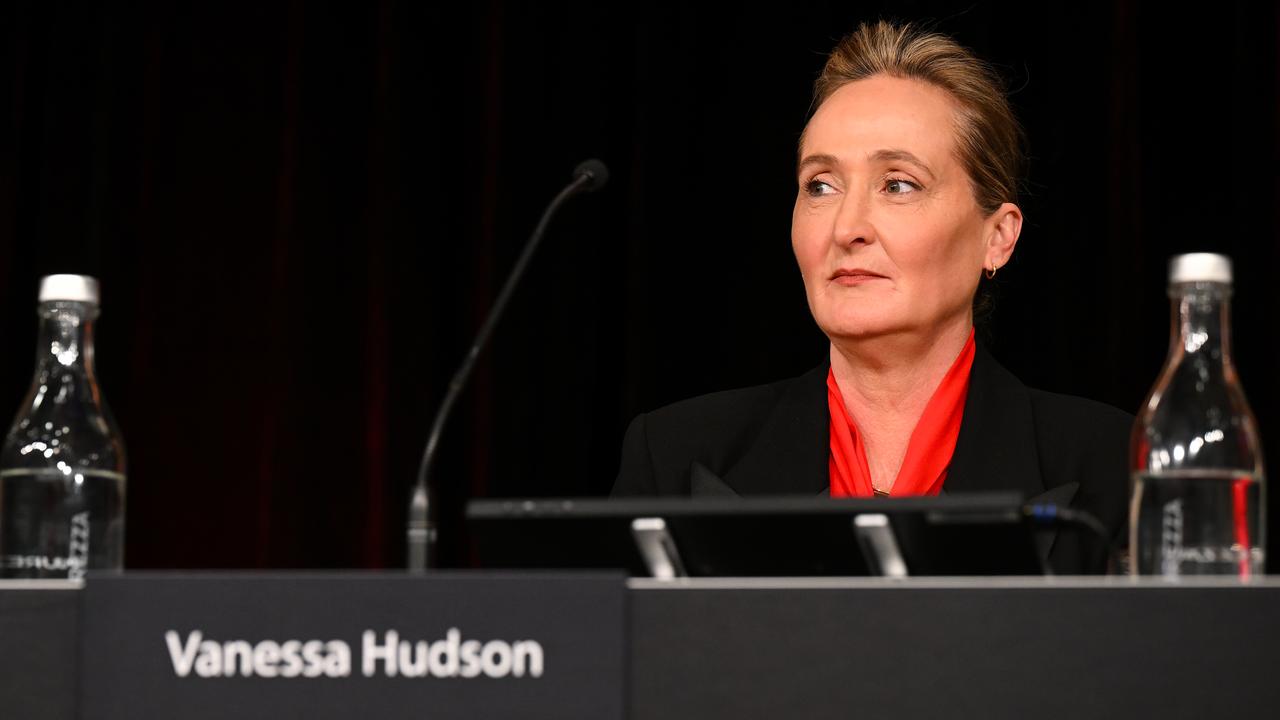
Qantas chief executive Vanessa Hudson cited unwieldy back office workflows and the impact of AI for the move.
“This is hard news for some,” she wrote.
“(The changes) are about modernising the technology behind our business and becoming more efficient, so we can keep investing in our customers, our people and our future.”
Accenture and Qantas would redesign and simplify the airline’s corporate functions, Ms Hudson said.
“Leading organisations around the world are well progressed in using technology and AI to completely transform how they work, and standing still is not an option,” Ms Hudson said.
Job losses would hit Qantas’s Sydney headquarters hardest, NSW and ACT Australian Services Union secretary Angus McFarland said.
“This should be chilling to not just those workers but all Australians because no Australian benefits from this,” Mr McFarland said.
“This is skills offshore at our national airline and if they can get away with it, well, anyone can.”
ASU assistant national secretary Scott Cowen said regulations might be needed to protect local jobs in the face of an AI revolution.
Several unions in the services, finance and trades sectors want safeguards ensuring AI implementation in workplaces is complemented with consultation, training and worker protections.
Mr Cowen said workers should be supported through a transition to an AI-based model, similar to retraining and alternative employment opportunities offered to workers in the energy sector as Australia transitions to renewable sources.
“We’re really concerned that this Qantas announcement today is just another example of Australia’s corporate greed and of putting profits first, then workers second,” he said.
Other major Australian companies, such as Woolworths and Coles, have announced similar plans to offshore hundreds of corporate roles to India and other parts of Asia.
Design tech giant Canva recently revealed it would build significant offshore teams in hubs such as the Philippines as part of major onshore job cuts.
Some of Australia’s big banks, including NAB and ANZ, have also indicated plans to grow their offshore workforces while removing domestic roles.
In August, Qantas reported a 2025/26 net profit of $1.3 billion, down 19.8 per cent on the previous year.
The airline cancelled a planned $150 million share buyback and could raise fares in response to high costs due to soaring fuel prices.
Qantas had warned airfares could rise again in 2027 after it was forced to find another $200 million to cover a $3.8 billion fuel bill for the first half of the new financial year.
High jet fuel costs, driven by the Middle East conflict, shaved $420 million off its 2025/26 annual profit after the bill came in $610 million over budget.
AAP