Spain’s conservatives on track to win government
Charlie Devereux |
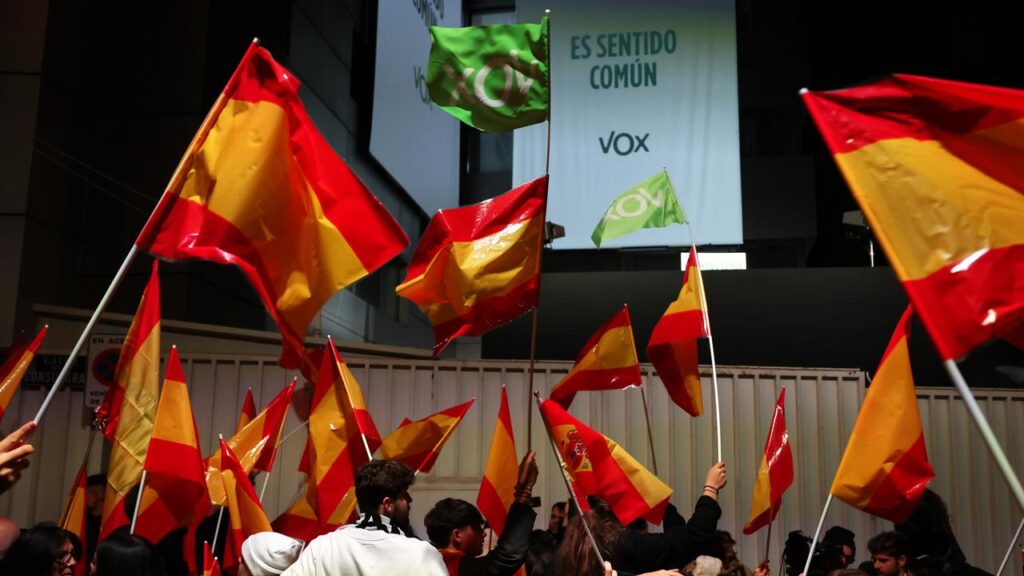
The conservative People’s Party and its potential coalition partner, the far-right Vox party, are set to get an absolute majority in the Spanish parliament.
Such a coalition would bring the far right into central government for the first time since 20th-century dictator Francisco Franco.
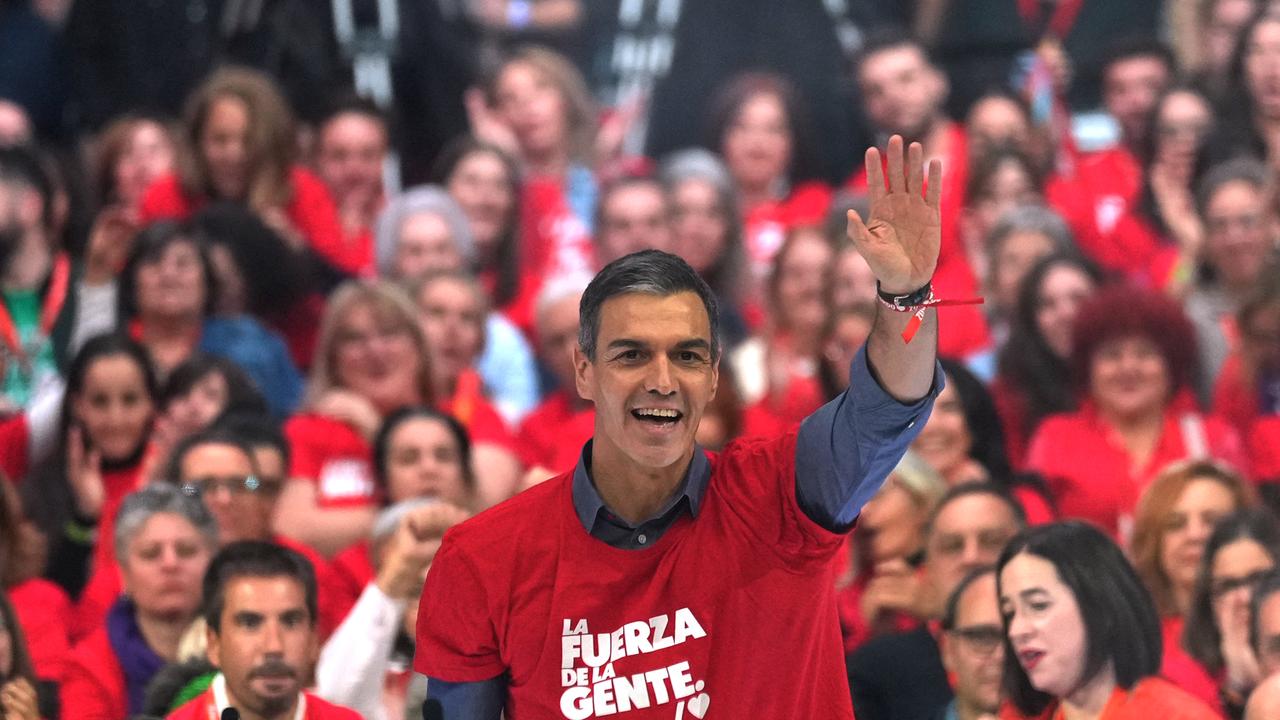
The election was seen as a referendum on Prime Minister Pedro Sánchez, the left-wing leader of the Socialist party who has governed Spain for eight years through numerous crises, but also a period of economic growth that, for many voters, has been eclipsed by cost-of-living concerns.
Sanchez called an early election in October, saying he needed a majority after parliament rejected decrees he proposed to address a mounting housing crisis.
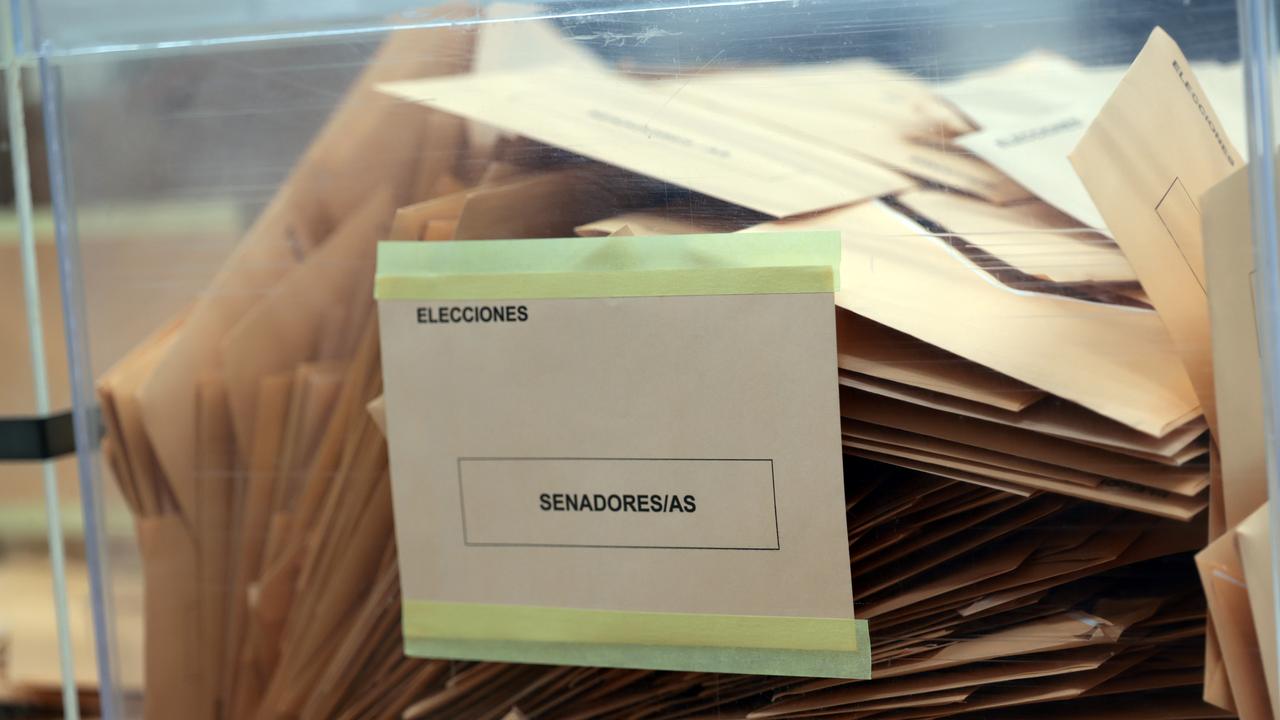
The PP and the right-wing populist party Vox have secured a combined total of 186 seats, with 87 per cent of the vote counted on Sunday .
They comfortably exceeded the required absolute majority of 176 seats.
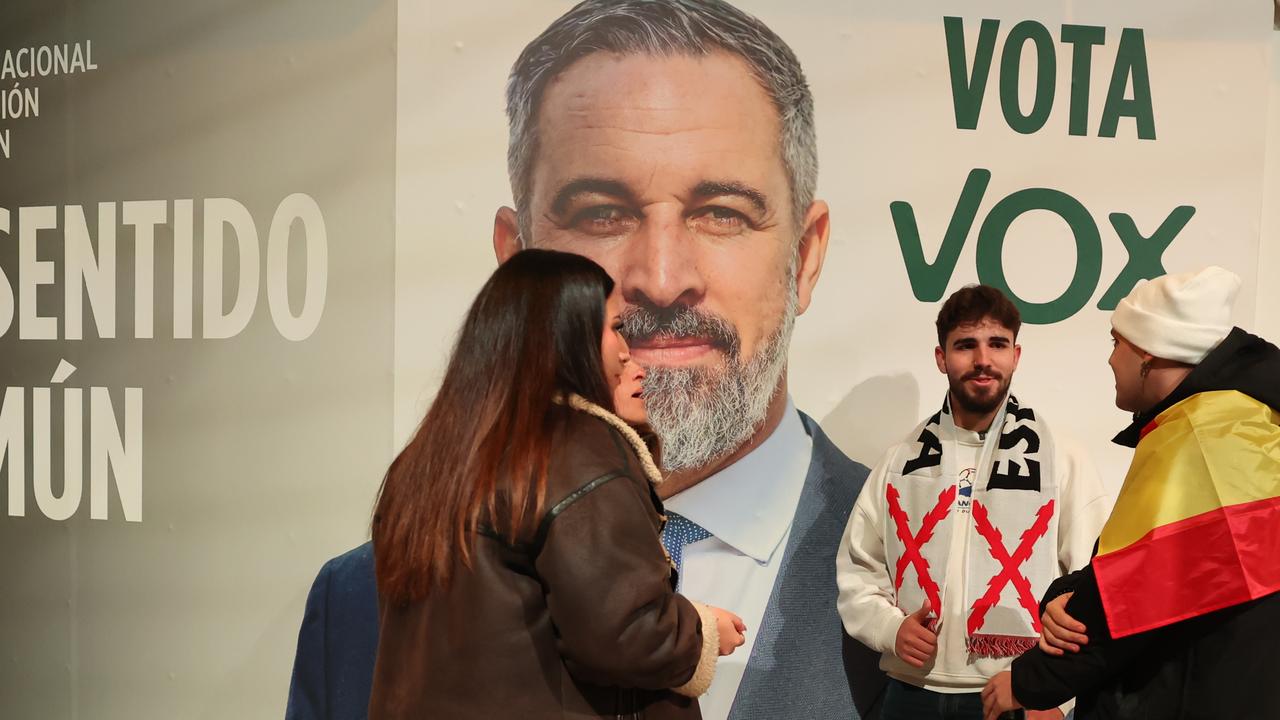
The PP, led by Opposition Leader Alberto Núñez Feijóo, has secured 135 seats and Vox has increased its tally from 33 to 51 seats.
To be elected as the new prime minister in parliament, Feijóo, 65, must agree on the details of their co-operation with Vox leader Santiago Abascal.
However, the formation of the coalition is considered a mere formality.

The ruling Socialists were projected to win 117 seats.
The vote is the first of several European elections in the next year that could see far-right parties make further gains, starting with France in April.
While negotiations between the PP and Vox over the distribution of government posts are expected to be difficult, the two parties already have experience of working together, having governed in coalition in four Spanish regions.
No issue has galvanised Spaniards in recent years like access to affordable housing.
Soaring home and rental costs in cities and tourism hot spots have caused widespread discontent, especially among the young.
Nationwide protests sprang up after the dramatic eviction of an 87-year-old woman from her apartment in Madrid.
The PP says it would prohibit mass amnesties for illegal immigrants, allow for returns to third countries and introduce a points system for legal immigrants.
Vox wants to deport convicted foreigners and give priority to Spaniards in the queue for housing.
Vox also backs lower taxes while opposing climate policies and expanded LGBTQI rights.
Democracy was restored in Spain in 1978, three years after the death of Franco, who ruled the country for almost four decades after a brutal civil war from 1936 to 1939.
Coalition talks face no formal deadline before the first investiture vote, but if no candidate wins parliament’s confidence within two months of that attempt, fresh elections are automatically triggered.
The new lower house will meet on December 23 and elect a Speaker.
King Felipe will then nominate a candidate for the premiership, usually the leader of the party with the most votes.
with AP and dpa
Reuters