Uni student denied exam delay after Gaza family deaths
Lucinda Garbutt-Young |
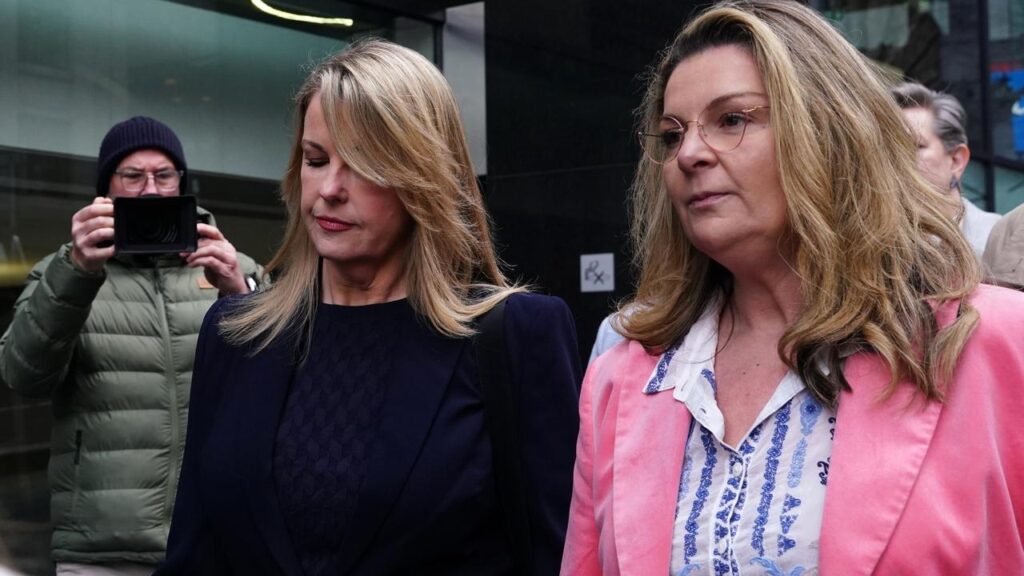
A university student with family killed in Gaza has described how she was asked to provide death certificates to get an exam extension.
The student had asked for more time on an assessment while grieving several relatives who died at the hands of the Israeli Defense Forces, a royal commission into anti-Semitism has been told.
Counsel for the Australia Palestine Advocacy Network Yasser Bakri told the inquiry a supervisor said the student needed to obtain proof of each death.
The university’s acting provost Joan Leach said she knew nothing about the exam request being denied, but the response lacked empathy and was not appropriate.
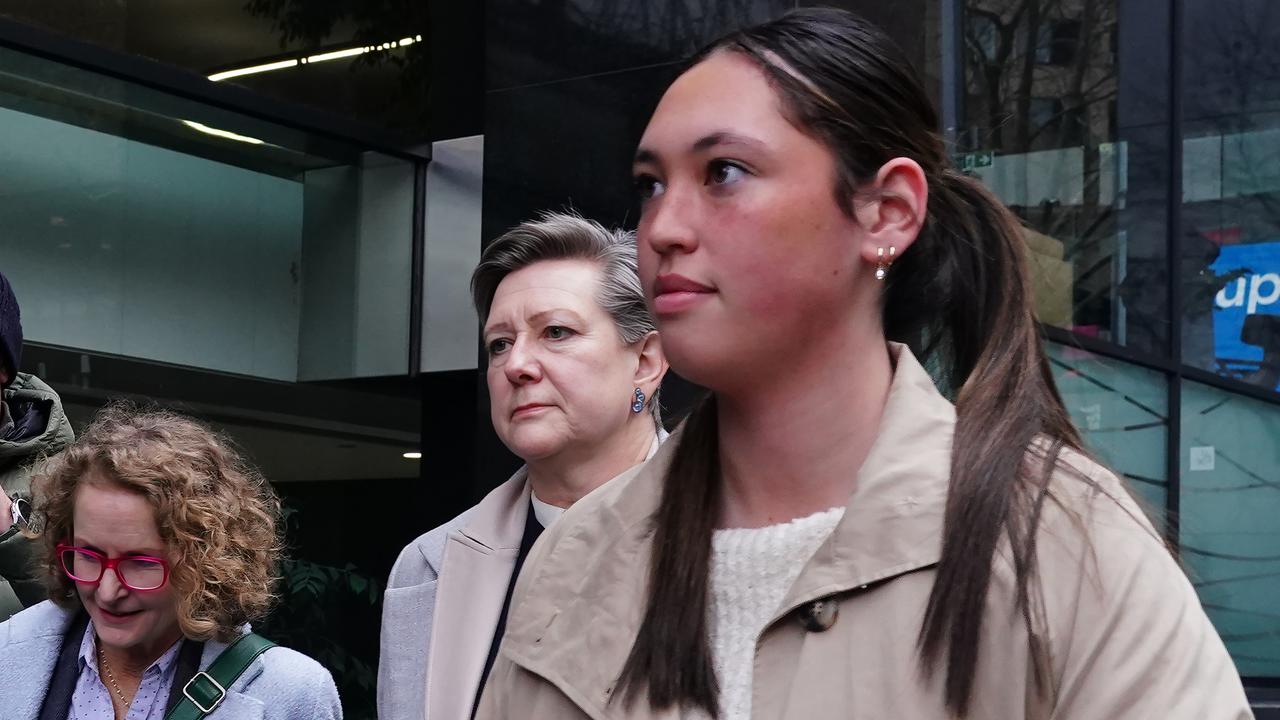
Professor Leach appeared alongside the ANU’s acting vice chancellor, Rebekah Brown, as the commission continued to interrogate the difference between anti-Semitism and criticism of Israel’s actions in Gaza.
A joint statement, released just before the academics appeared and signed by more than 40 groups including Amnesty International, the Human Rights Law Centre and National Union of Students, expressed “grave” concern about measures restricting protests and political speech at universities.
“Universities must adopt a presumption in favour of permitting peaceful protest, including indoors, outdoors and online,” their statement said.
The groups also called for disruptive protests to be allowed on campuses and for universities to properly address racism.
Prof Leach conceded a pro-Palestine encampment on campus had caused “psychosocial risks” and made students feel unsafe.
The encampment lasted for 110 days in 2024, making it one of the longest-running at any Australian university.
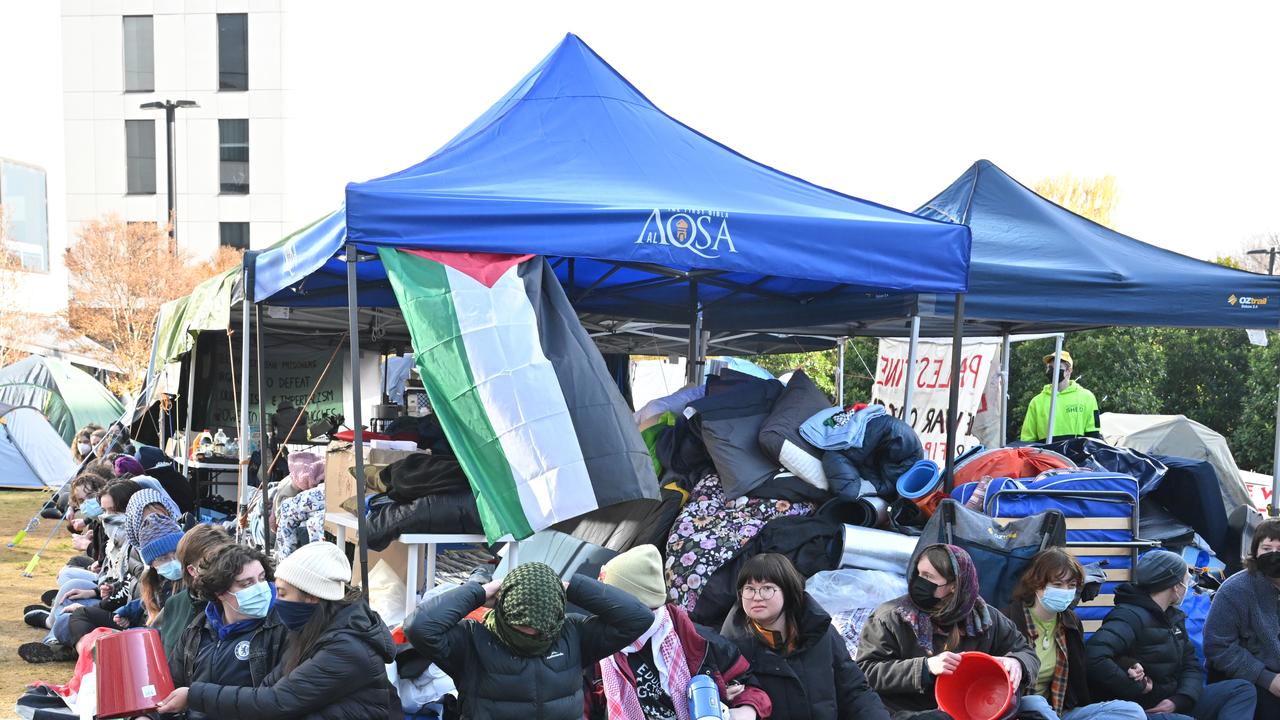
ANU for Palestine said at the time the encampment became “untenable” after the university “called the police on us, censored us, and lied about us”.
Prof Leach said official intervention in the protest was justified as it came to pose a risk to students.
An office of integrity will be established at the university in August, providing a centralised, trauma-informed point for complaints at the university.
It was recommended in 2025 for reasons not related to the encampment, and instead in a review that uncovered misconduct in the university’s College of Health and Medicine.
Monash University took a stricter approach, expelling seven activists from campus when they tried to engage with a pro-Palestine encampment. Some chants were also banned.
Vice chancellor Sharon Picking said the camp had created an “atmosphere of hostility”.
“I don’t think I had sufficiently appreciated before how thinly buried anti-Semitism was in our society, and how quickly it was unleashed.
“Jewish students (were) feeling that they were being held individually responsible for the acts of the state of Israel, in one version or another,” she told the commission.
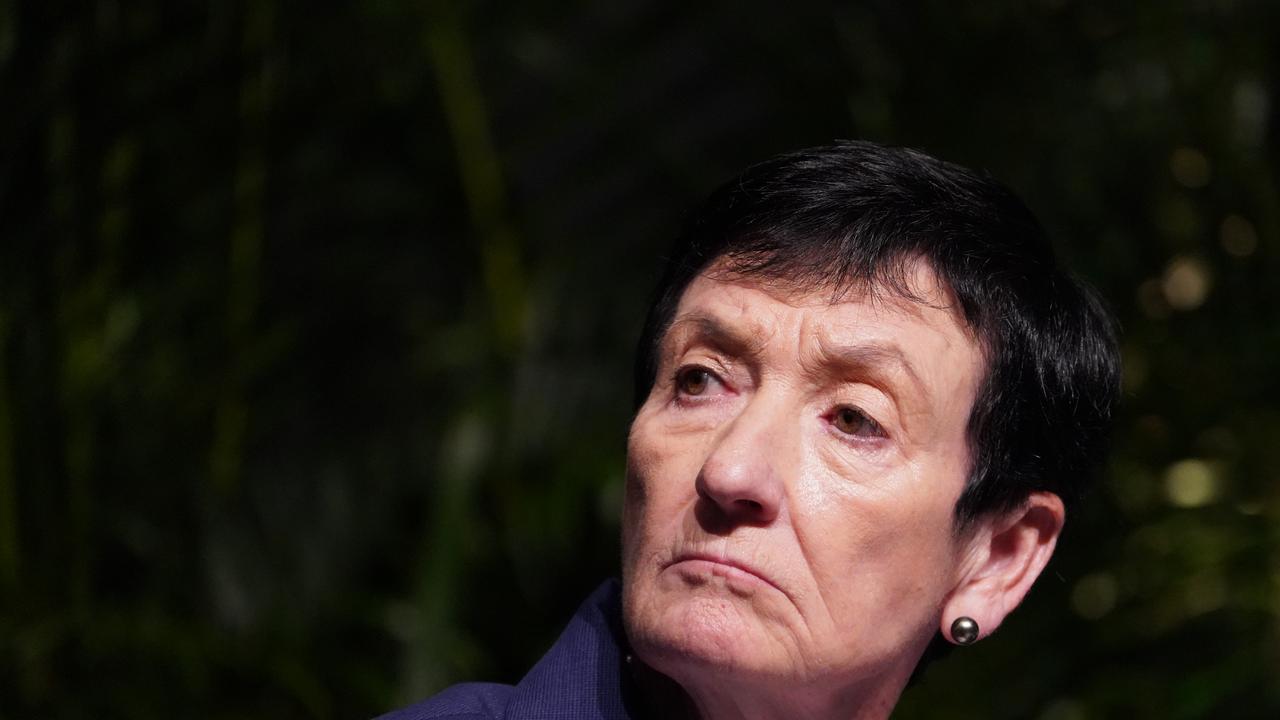
Western Sydney University chancellor Jennifer Westacott, who is not scheduled to appear at the commission, released a personal submission to the inquiry in which she said the recent rise in anti-Semitic incidents in Australia was a failure of collective leadership.
The normalisation of anti-Jewish hate “created the antecedents of the December 14 massacre”, said Professor Westacott, who is also on the board of Jewish non-profit the Dor Foundation.
AAP