Six years, 21 drafts earn hip-hop poet top book prize
Liz Hobday |
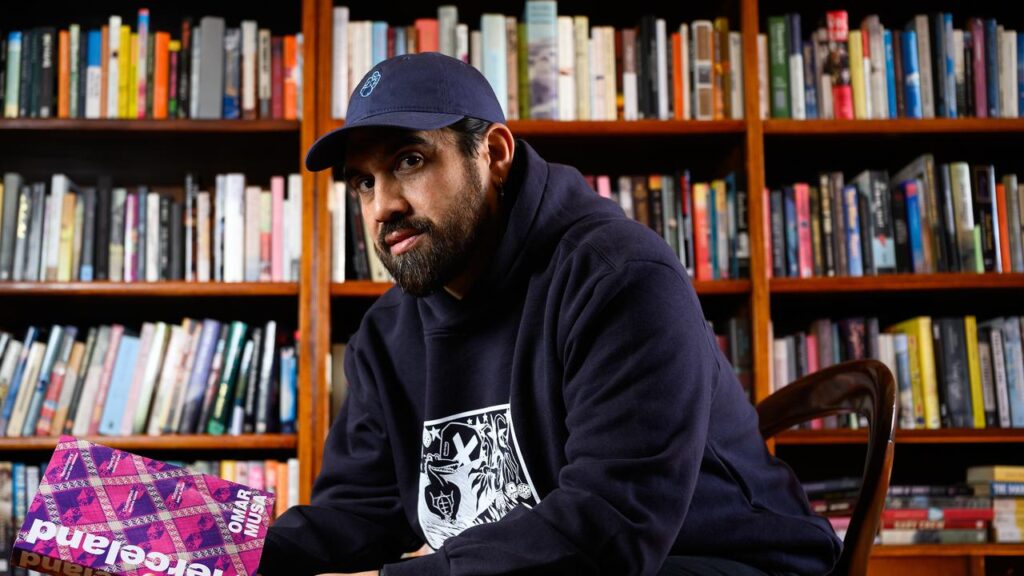
When Omar Musa discovered he’d won Australia’s premier book prize, he literally stopped in his tracks.
The author was in the Philippines when he received news he had taken out the Miles Franklin Literary Award, leaving him standing still in the middle of a street.
“I was just gobsmacked, totally blown away,” he told AAP.
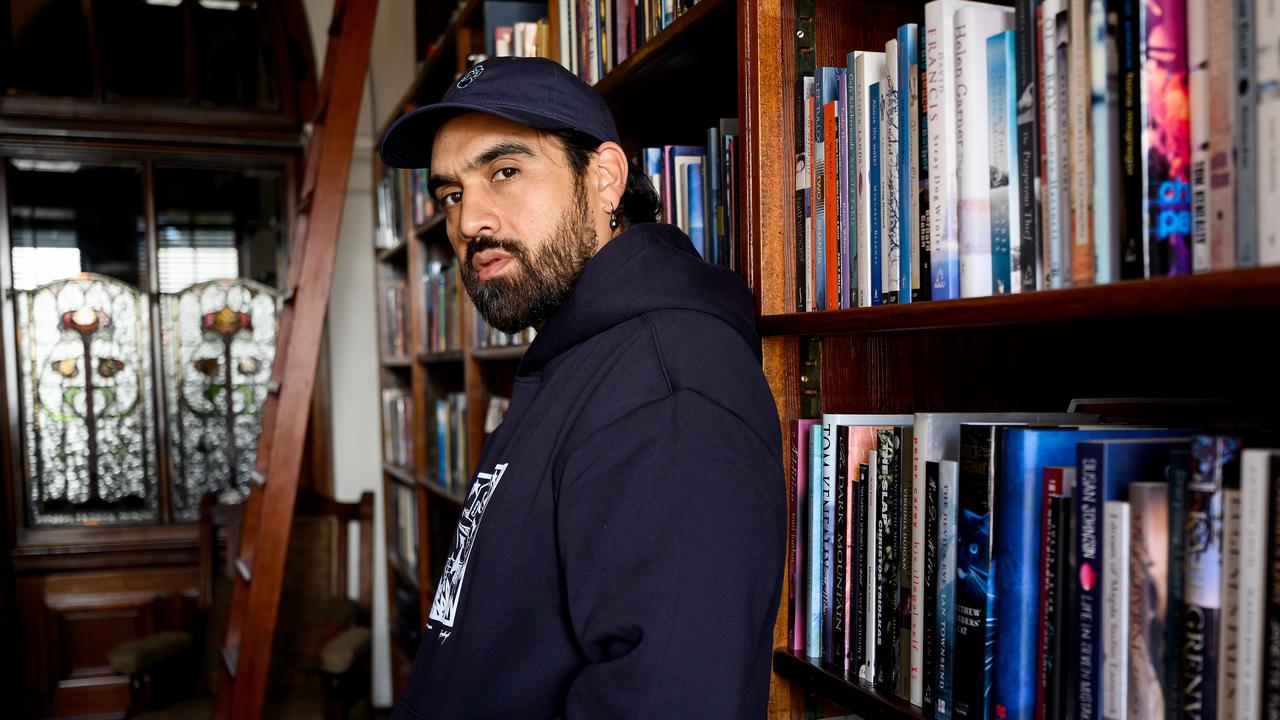
The author from Queanbeyan in NSW took six years and 21 drafts to write his second novel Fierceland, and said he never expected his efforts to be so recognised.
“It’s hard work, you’re broke most of the time, full of self doubt and impostor syndrome, as well as exciting breakthroughs and adventures along the way,” he said.
The winner of the prestigious $60,000 book prize, awarded annually to a novel of the highest literary merit about Australian life, was announced at a ceremony in Sydney on Wednesday evening.
A globe-spanning family saga with mythical elements, Fierceland is the story of Sydney artist Roz and tech entrepreneur Harun, who return to the island of Borneo for their father’s funeral.
Their family’s wealth was built on the palm oil trade and the novel deals with colonialism, capitalism and the destruction of Borneo’s rainforests.
Musa said he was careful not to be heavy-handed exploring those issues, keeping human drama at the centre of the tale – although one of its main characters is actually the rainforest itself.
“You still want it to be an exhilarating experience for a reader … it’s about being playful, even when you’re dealing with matters of life and death, power and exploitation,” he said.
Musa has family ties in Malaysia but was born and raised in Australia.
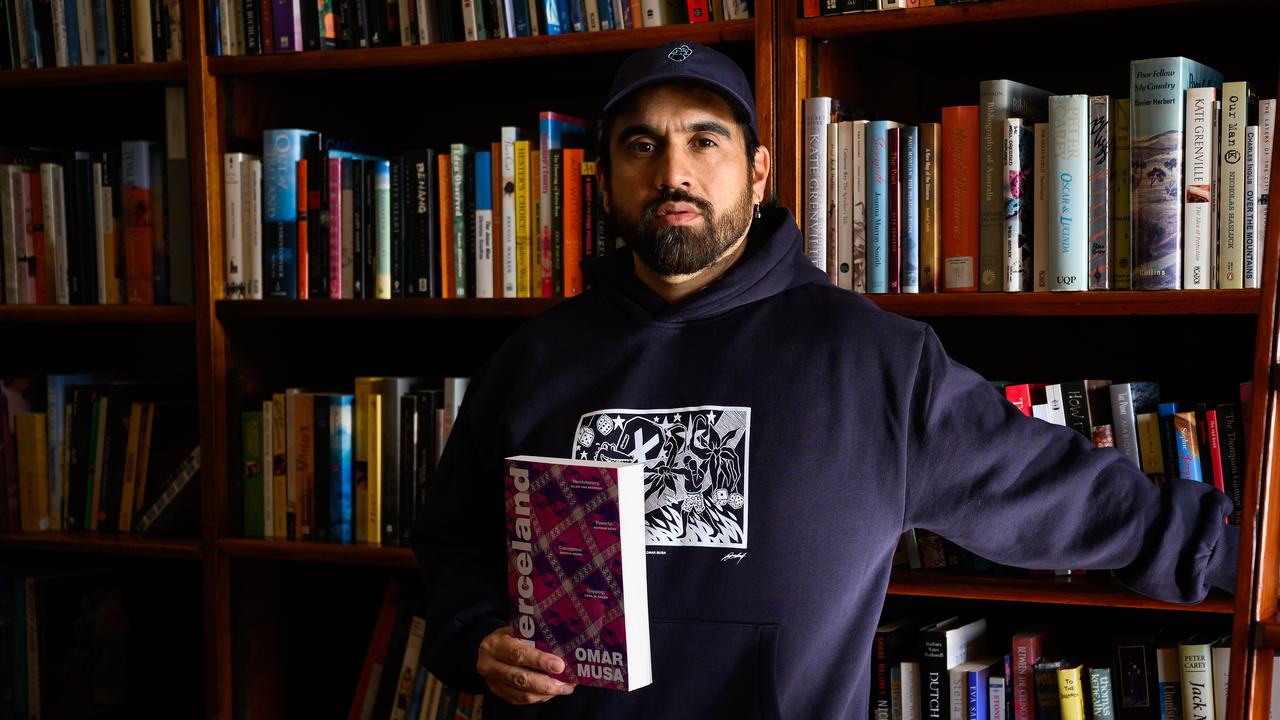
He was nervous Fierceland might romanticise or oversimplify Borneo, an island shared by Indonesia, Malaysia and Brunei.
He relocated to Kota Kinabalu, the capital of the Malaysian state of Sabah, while writing.
Musa tried to replicate the texture and musicality of Malaysian English or “Manglish”, adding readers in Sabah and Sarawak especially welcomed the local references and slang.
“I’m really proud of that, I hope it’s just the beginning and it cracks the door open for a lot of people who were born and raised there to tell those stories,” he said.
It’s estimated Malaysian Borneo has more than 80 native languages and Musa found people who spoke 16 of those tongues to include various translations of the one poem in Fierceland.
The author has also published four books of poetry, four hip hop records, written a play and held solo exhibitions of his woodcut prints, making it not surprising he views the demarcation of various art forms as somewhat contrived.
But Musa sees novels, in particular, as a radical way of creating empathy, because readers enter into the thinking of characters different to themselves.
“We need literature and art that pushes the boundaries and creates new vocabularies more than ever, because ultimately, sharing stories is a humanising process, in a world that is so often keen to dehumanise and demonise people,” he said.
Fierceland won the $25,000 Victorian Premier’s Literary Award for Fiction in February, while Musa’s 2014 novel Here Come the Dogs was long-listed for the Miles Franklin and the International Dublin Literary awards.
AAP