Aussie shares dive as investors brace for energy shock
Adrian Black |
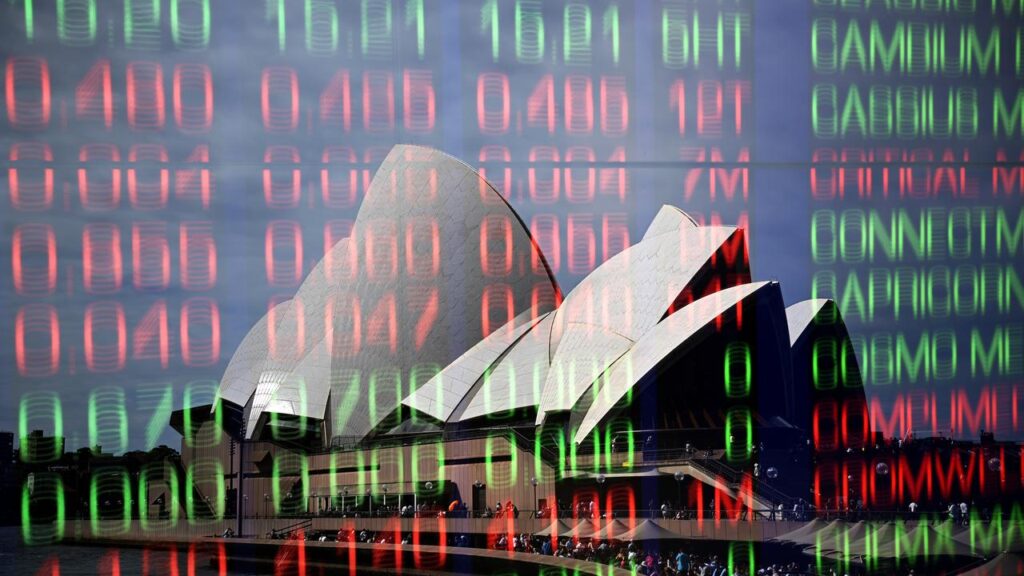
Australia’s share market has logged its second-worst session of 2026, on concerns a sustained oil price shock will intensify inflation and spark steeper interest rates.
The S&P/ASX200 plummeted 176.1 points on Wednesday, down 1.94 per cent to 8,901.2, as the broader All Ordinaries dropped 180.1 points, or 1.94 per cent, to 9,117.1.
Oil prices continued to rise, with Brent crude up more than 15 per cent since US-led air strikes on Iran last weekend sparked broader conflict.

With no end to the conflict in sight and as the US reportedly aiming to boost weapons production, markets would not begin pricing out risk until a point of peak escalation, Capital.com senior market analyst Kyle Rodda said.
“Until that happens, it’s going to be one of those things where the markets become one trade; correlations become tight and pretty much everything swings on this big macro risk,” he told AAP.
In the so-called ’12-day War’ between Israel and Iran in 2025, this peak was marked by Iran’s largely symbolic retaliatory strikes on US allies in the region.
“The problem is it doesn’t look very clear, at least right now, that we’re near that point,” Mr Rodda said.
“Markets are fearful that there is inertia towards a greater escalation rather than de-escalation.”
The conflict has roiled global markets, particularly for net energy importers like Germany, where the DAX index has plunged almost six per cent in two sessions.
South Korea’s KOSPI index has tanked almost 17 per cent since the weekend, in its worst two-day performance since 2008.
Raw materials stocks led all 11 sectors lower as greenback strength weighed on gold and silver, and as surging oil prices dimmed the global growth outlook and dragged on industrial metals producers.
Mining giant BHP tumbled 3.5 per cent to $55.68, wiping out four days of record-breaking gains in two sessions.
Rio Tinto and Fortescue also slumped, along with a host of mixed miners, lithium producers and rare earths stocks as the segment plunged three per cent into the red.
Gold stocks were hammered, despite the precious metal gaining over the session to trade at $US5,156 ($A7,368) an ounce.
The heavyweight financials sector was just that, falling almost two per cent in a broad sector slump impacting banks, insurers and investment groups.
Energy stocks were unsurprisingly the best performing, but still in the red despite modest advances from oil and gas giant Woodside and Whitehaven Coal.
The energy shock has raised the odds of intensifying already-sticky inflation, stoking fears of steeper interest rate hikes.
The market slump that followed the weekend’s events echoed the moves of March 2022, eToro market analyst Josh Gilbert said.
“When Russia invaded Ukraine, oil prices surged, inflation spiked globally, and the Fed responded by hiking rates aggressively,” Mr Gilbert said.
“The risk now is that history repeats, with the Iran conflict pushing energy prices high enough to force central banks into a more hawkish stance than markets currently expect.”
The Australian dollar is buying 69.99 US cents, down from 70.88 US cents on Tuesday, as the US dollar gained on safe haven buying.
The Aussie’s slip came despite hotter-than-expected annual growth of 2.6 per cent doing little to dampen fears of incoming interest rate hikes.
Rate markets are pricing a one-in-three chance of a hike at the Reserve Bank’s March meeting, and expect an increase by May at the latest.
ON THE ASX:
* The S&P/ASX200 fell 176.1 points, or 1.94 per cent, to 8,901.2
* The broader All Ordinaries lost 180.1 points, or 1.94 per cent, to 9,117.1
CURRENCY SNAPSHOT:
One Australian dollar trades for:
* 69.99 US cents, from 70.88 US cents at 5pm AEDT on Tuesday
* 110.28 Japanese yen, from 111.58 Japanese yen
* 60.36 euro cents, from 60.77 euro cents
* 52.55 British pence, from 53.04 British pence
* 118.77 NZ cents, from 119.59 NZ cents
AAP