PM spruiks AI standards as world looks to US and China
Jacob Shteyman |
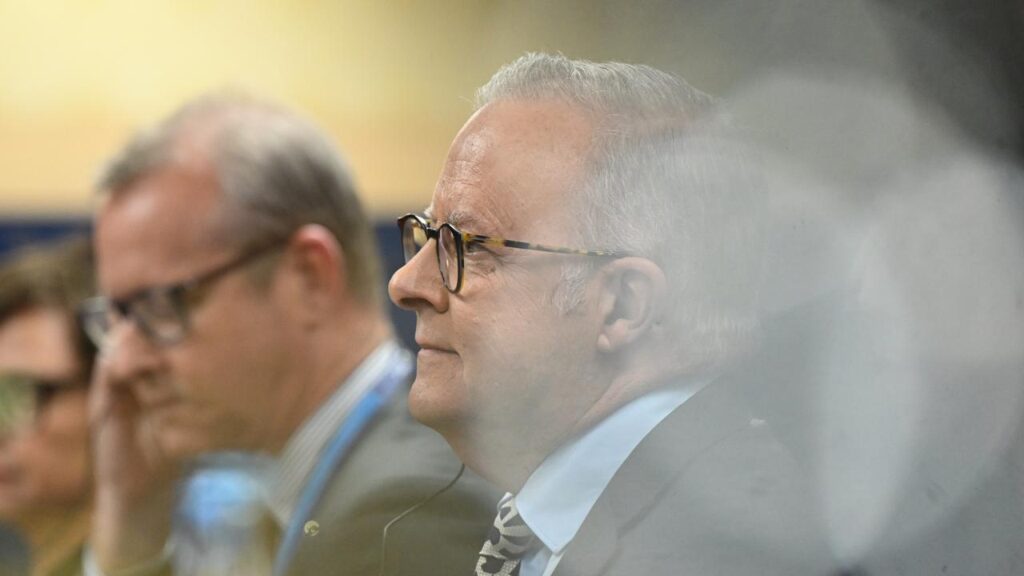
Prime Minister Anthony Albanese has tried to drum up support for Australia’s “world leading” artificial intelligence safety standards as the US and China divide the globe into spheres of AI influence.
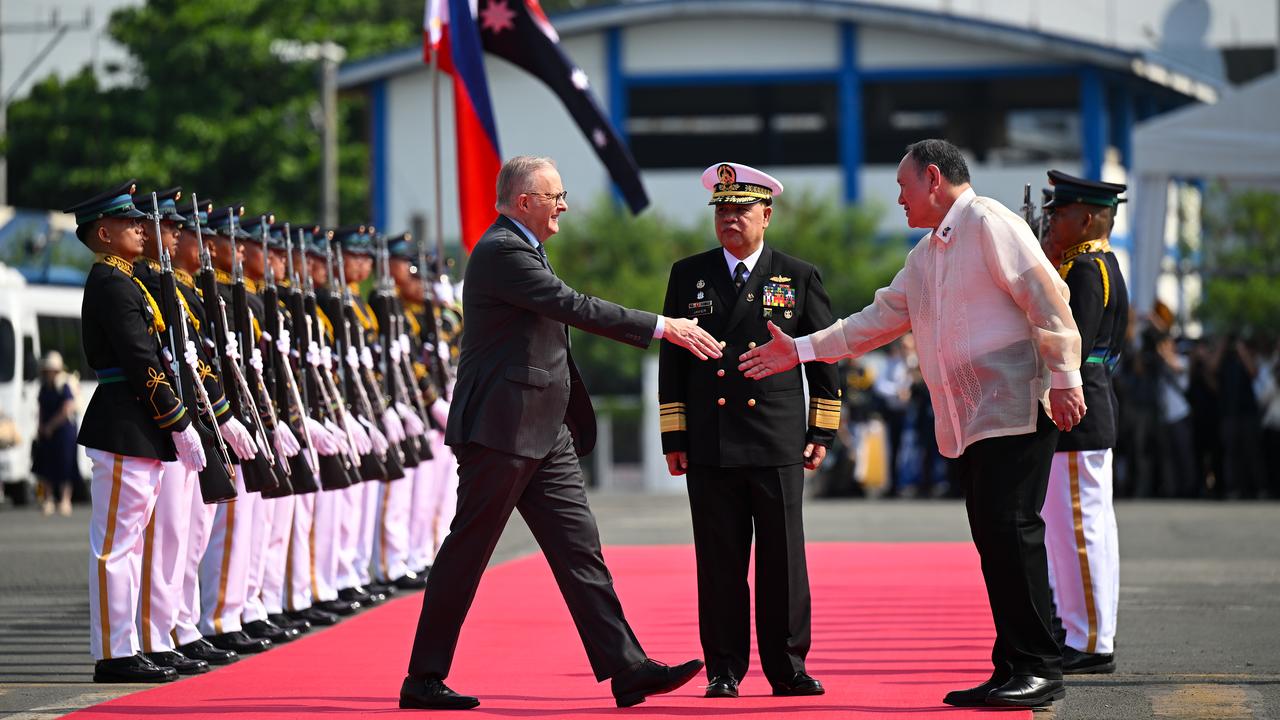
Mr Albanese announced a digital co-operation package with the Association of Southeast Asian Nations in a speech at the grouping’s summit in the Philippines.
In brief remarks that were short on detail about how the package would be funded or implemented, the prime minister said the partnership would reduce regulatory and technical barriers to the digital economy, develop AI safety standards and help build a digital workforce.
“I am proud to lead a government committed to legislation world-leading standards for artificial intelligence in Australia’s interests,” Mr Albanese told leaders from the 11 ASEAN nations in Manila on Monday.

“Making clear that humans must remain in control of AI, that we must shape AI rather than let it shape us.”
The federal government has vowed to introduce AI safety standards to parliament in early 2027, which would require companies to allow for independent evaluations of their models and to maintain security controls across all stages of development.
But as Australia pushes for more controls to mitigate the potential negative effects of the technology, the US and China are speeding ahead in their AI arms race.
Australia, along with Western-aligned countries such as Japan, Israel and the UK, signed a US-led declaration to strengthen controls over supply chains critical for AI development, which are currently dominated by China.
The so-called San Francisco declaration, signed on Sunday, US time, reinforced collective responsibility for protecting sensitive technologies and critical infrastructure from undue influence.
A spokesperson for the prime minister said the joint statement was about ensuring the technologies and supply chains Australia relied on were secure.
“It is imperative that Australia has a role in developing the technologies of the future, building Australian industry and creating secure, well-paid jobs for Australian workers,” the spokesperson said.
AI will be a main topic of discussion when US President Donald Trump meets his Chinese counterpart Xi Jinping on Thursday at the APEC forum in Shenzhen.
Mr Albanese is preparing for some face-to-face time with Mr Trump at a brief Quad leaders meeting in Manila on Tuesday.
While AI has been a hot topic in the Philippines capital, discussions among the Southeast Asian bloc have also centred on the ongoing military crisis in Myanmar and stemming transnational crime.
Scam centres are a major issue in nations such as Laos, Cambodia and Myanmar.
Mr Albanese announced an agreement to establish an ASEAN-Australia ministerial meeting on transnational crime, to combat cybercrime, scam centres, people trafficking, drug smuggling and violent extremism.
On Sunday, he discussed broadening trade co-operation in his first meeting with Vietnamese counterpart Le Minh Hung.
But despite growing trade volumes and stronger diplomatic ties, the case of detained Australian citizen Tran Hiep is an awkward reminder that the socialist nation’s human rights record is less than stellar.
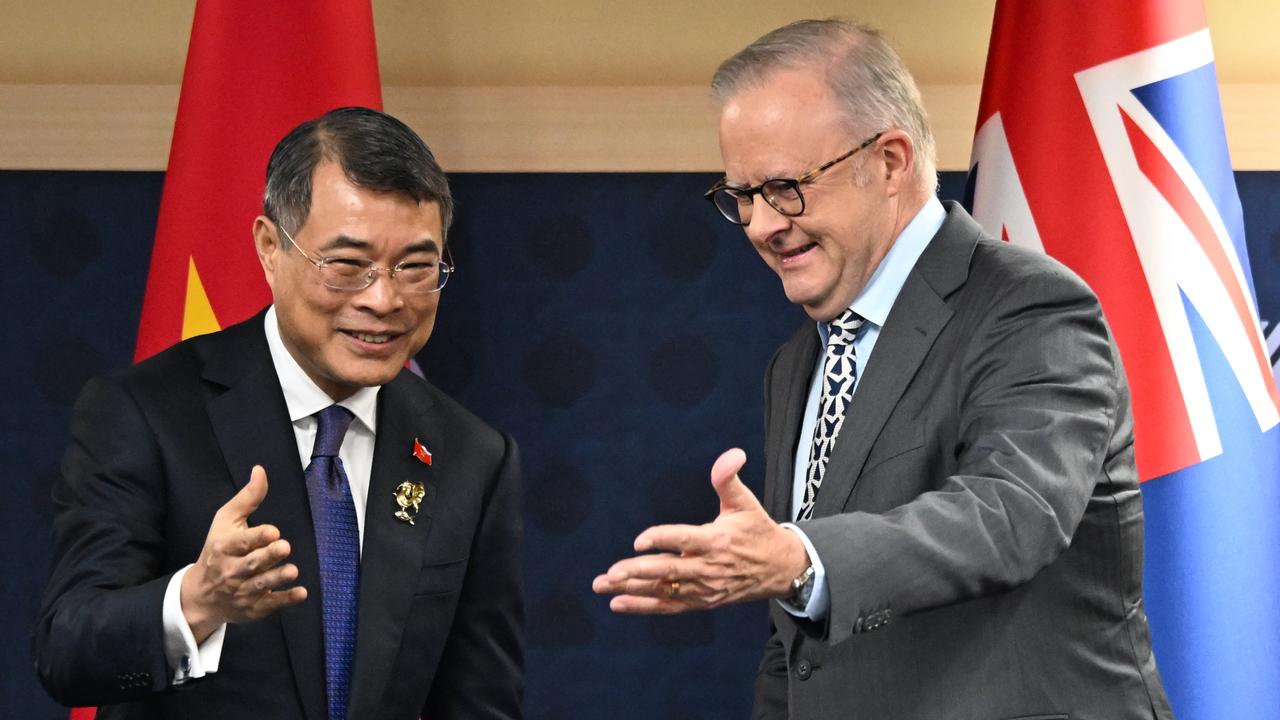
Mr Albanese congratulated Mr Hung on his appointment and the pair exchanged views on issues affecting regional peace, stability and prosperity.
But he also raised consular issues, including that of Mr Hiep, according to a readout of the meeting distributed by the Australian side.
A readout of the meeting from the Vietnamese side made no mention of the detained activist.
Mr Hiep, a democracy campaigner from Melbourne, remains in Vietnamese detention after vanishing from Cambodia in September.
Vietnam’s Ministry of Public Security said Mr Hiep and two other men, including Norwegian citizen Nguyen Duc Thuan, were detained while allegedly attempting to cross illegally from Cambodia into Vietnam.
Vietnamese authorities said the men admitted to being members of Viet Tan, a pro-democracy diaspora political party, which is a proscribed terrorist organisation in Vietnam.
But Elaine Pearson, Asia director at Human Rights Watch, said it appeared the men had not entered Vietnam and had instead been abducted from Cambodia.
AAP