Polls open for pivotal election in war-ravaged Israel
|
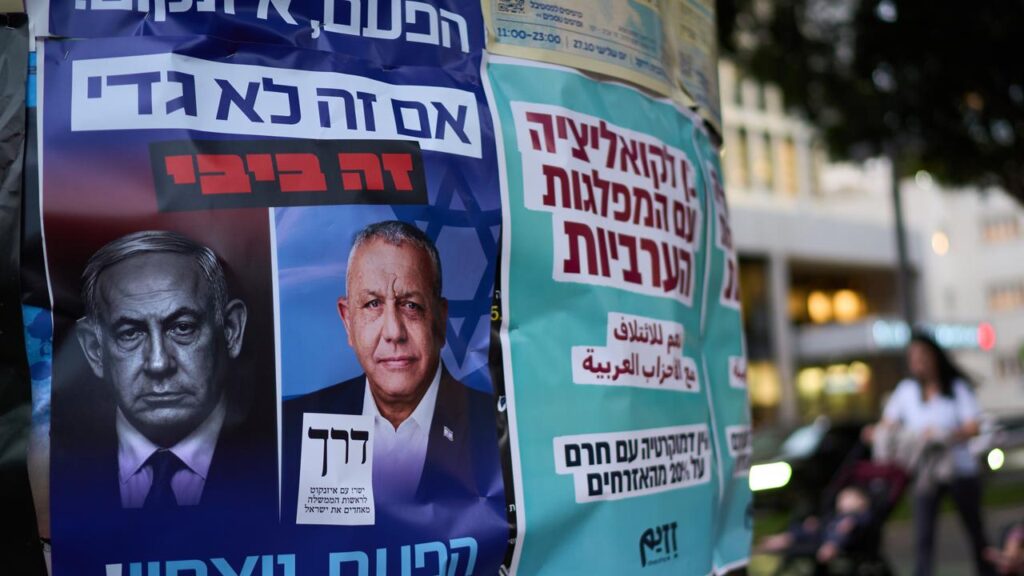
Israelis have begun voting in a pivotal election as their country remains embroiled in war, still reeling from Hamas’ brutal attack and deeply divided over the right person to lead it.
Prime Minister Benjamin Netanyahu, the nation’s longest-serving leader with 19 years in office, faces off against a coalition of parties seeking to oust the longtime leader from power.
Opinion polls have suggested a tight race with his main rival, former military chief Gadi Eisenkot.
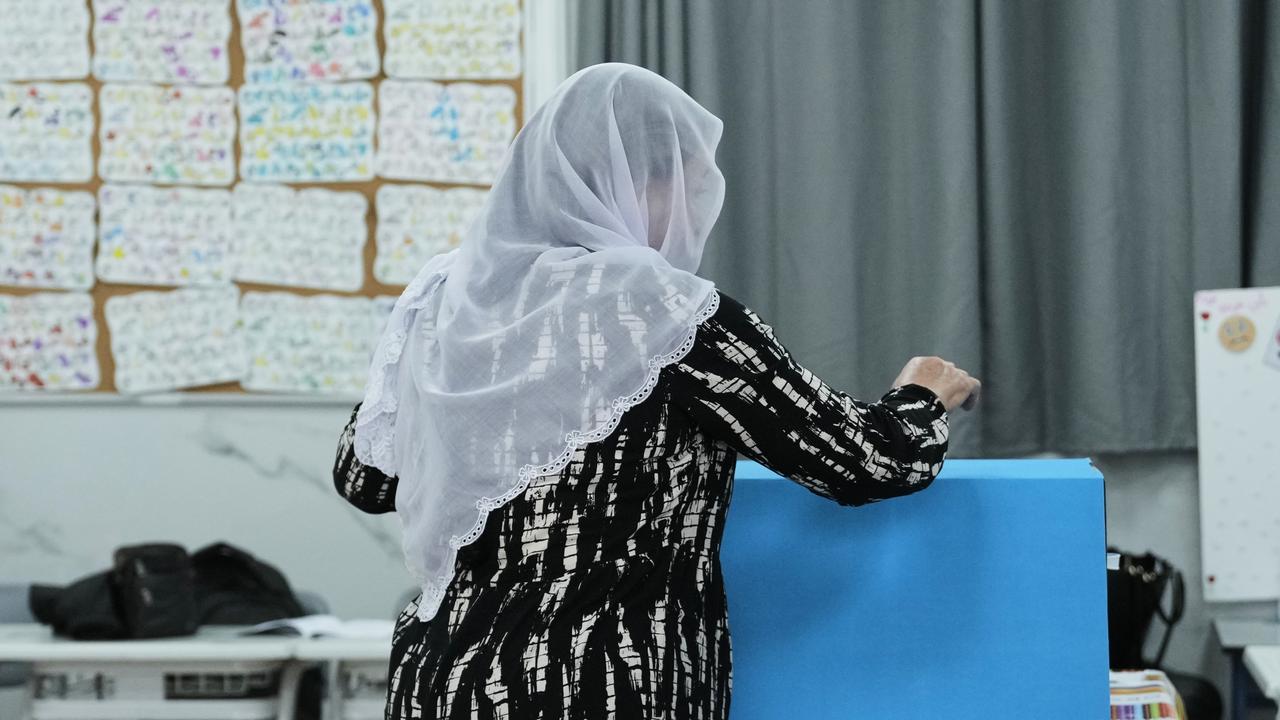
In Israel’s fragmented parliamentary politics, no single party has ever won an outright parliamentary majority, so political leaders must forge coalitions.
But in a tight race in which non-aligned Arab parties are pushing for heavy turnout, there is a chance that neither Netanyahu’s religious and ultranationalist coalition nor the group of parties looking to remove him has enough support to win a parliamentary majority.
That could set off weeks of negotiations before a leader is declared.
If neither can form a governing coalition in the 120-seat parliament, Netanyahu could stay on as caretaker until another election is held next year.
Israel’s Arab-led parties could emerge as kingmakers if they agree to support one candidate over the other.
Hanging over the election are lingering tensions with Iran – and Netanyahu has ramped up threats against the country ahead of the vote.
He recently appeared in a video standing beside a missile-defence battery and warned Tehran it would face “a devastating blow” if it attacked Israel.
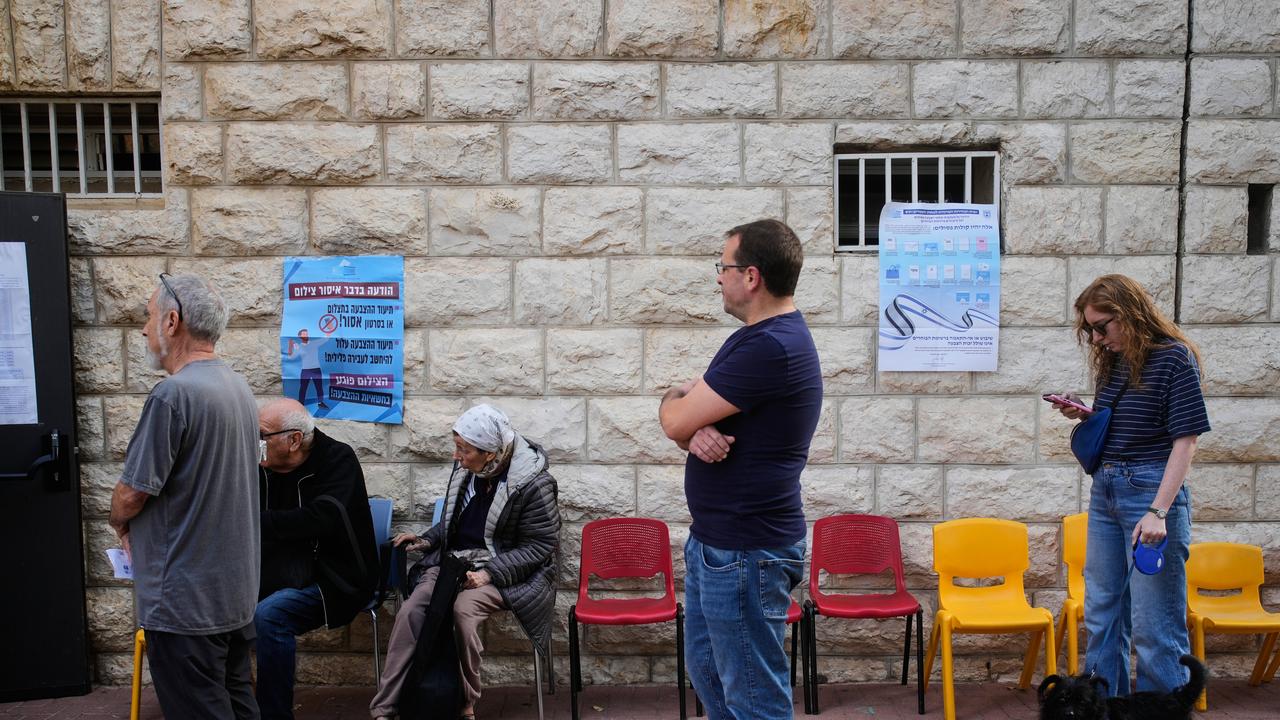
The election is Israel’s first national vote since the October 7, 2023 attack that sparked the war in Gaza and related conflicts across the region.
The vote serves not only as a referendum on Netanyahu’s lengthy leadership but also on what kind of country Israel should be — heavily influenced by religious and nationalist forces, or more firmly anchored in liberal and secular values.
At stake is the fate of a country whose policies and leadership are being scorned by traditional allies.
Since Hamas’ attack, Israel has found itself increasingly isolated over its conduct in Gaza and in the West Bank, where violence by Jewish settlers has intensified.
Public support among Americans has plummeted and stalwart partners in Europe and elsewhere have slapped on sanctions in recent months.
For Israelis, the election presents a chance at charting the country’s course after turbulence under Netanyahu.
Netanyahu’s supporters see him as a steady hand and a consummate statesman who has guided them through multiple wars while protecting Israel’s Jewish identity.
But his detractors see him as a polarising leader who, beset by an ongoing corruption trial, dragged on the war in Gaza and the October 7 hostage crisis for political reasons.
They say he is undermining the country’s independent judiciary and weakening its democratic underpinnings.
And they accuse him of abetting a system that has allowed ultra-Orthodox religious Jews to avoid enlistment in Israel’s compulsory military.
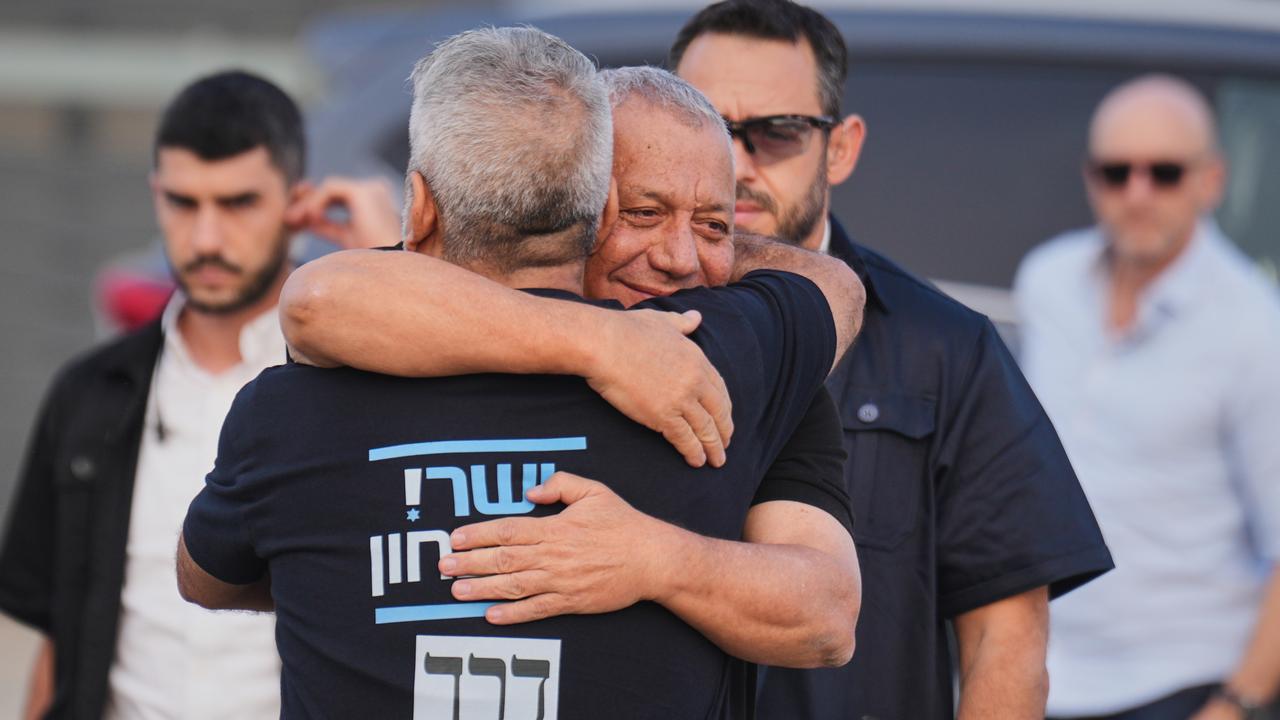
Eisenkot is viewed by supporters as a capable leader with sterling security credentials who, along with his likely governing partners, could act as a bulwark against creeping illiberalism.
As someone personally touched by the conflict — his son and two nephews were killed in Gaza — his backers believe that he feels deeply the pain that still courses through Israel three years after the attacks.
Parties that would likely throw their support behind Eisenkot have vowed to improve Israel’s international standing and work to conscript ultra-Orthodox men while bolstering the independence of the judiciary.
Polls opened can close as late as 10pm local time on Tuesday (7am Wednesday AEDT).
AP