US insists Iran commit to stopping shipping attacks
Steve Holland |
The United States is demanding that Iran publicly state it will stop attacks on ships in the Strait of Hormuz and that all lanes in the strait will be open to shipping with no tolls, senior US officials say.
Iran has refused to give up control of the strait, the strategic waterway through which a fifth of the world’s oil supply typically flows. In a conference call with a small group of reporters, the US officials said conversations between the two countries had been productive in recent days.
“What we’re demanding is that the Iranians issue a public statement that acknowledges all channels of the Strait of Hormuz are open and they’re not shooting at ships anymore. They’re either going to give us that statement or we’re not having a good outcome for them,” one official said.
Iran has told Washington that recent attacks on shipping in the strait were from “an errant part of their system,” one senior official said. There appears to be a power struggle unfolding between hardliners in Iran and pragmatists, an official said.
Three Qatari and Saudi commercial tankers came under fire this week, prompting the US to hit Iranian sites, and Iran to respond with strikes on US military sites in Gulf states.
US President Donald Trump then declared that a June ceasefire the two sides signed is over. Iranian Foreign Minister Abbas Araqchi will travel to Oman on Saturday for talks on bilateral relations and regional developments, particularly the situation in the strait, Iran’s official news agency IRNA reported.
“We are hoping to get to a place where they publicly say that they will stop shooting at ships and sort of explicitly or at least implicitly acknowledging that they screwed up. We are working on that now,” one official said. “The president has directed us to talk but as he’s shown a willingness to do, if they keep on shooting at ships or they engage on any other hostile acts, then we’re going to hit ’em back,” the official said.
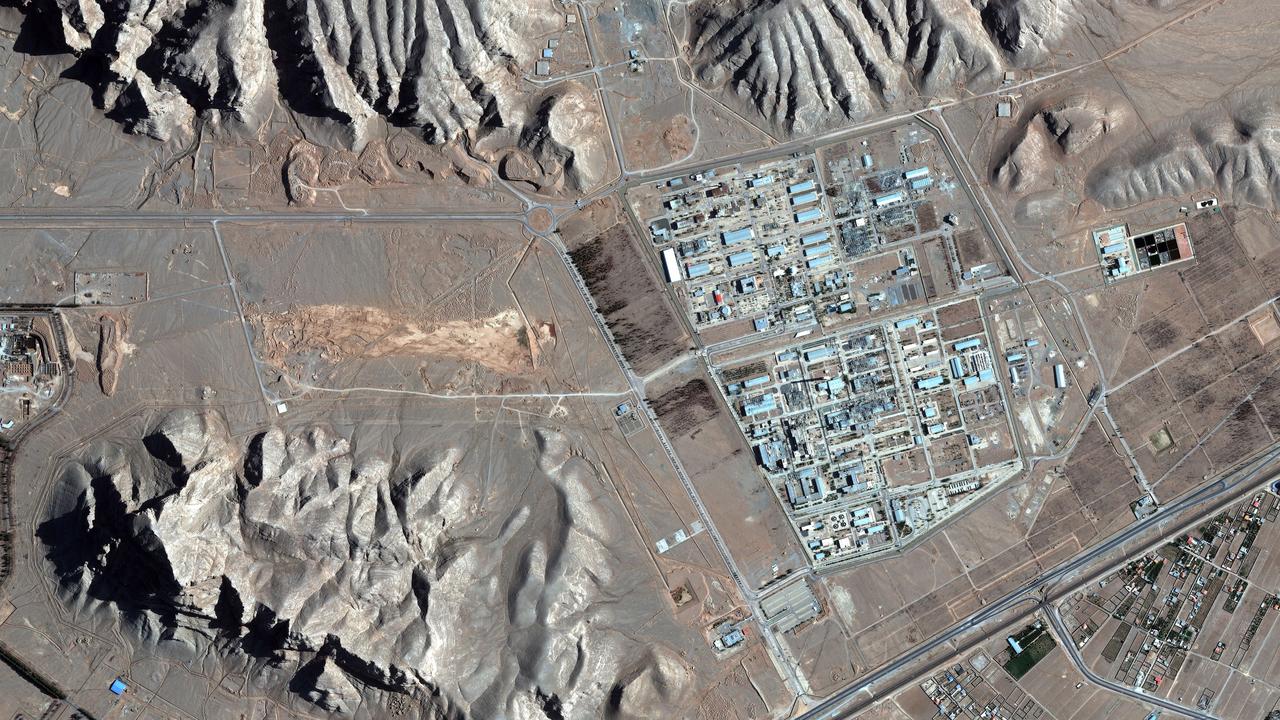
The fundamental demand from the US side is that Iran turn over its nuclear materials. Tehran is believed to possess hundreds of kilograms of highly enriched uranium, which Trump and other US officials call “nuclear dust.” The nuclear issue is supposed to be dealt with under a 60-day period for negotiations based on a memorandum of understanding that was signed in June by the two countries.
“I just want to be clear here that if we don’t get the dust, we do not have a deal with Iran,” one official said. The official said “we have a lot of options” if Iran refuses, including military and economic options.
Meanwhile the US issued new Iran-related sanctions targeting a key financier for Iran’s new leader Mojtaba Khamenei and 13 other individuals and entities, following Tehran’s resumed attacks on oil tankers in the Strait of Hormuz.
The sanctions took aim at Ali Ansari, an Iranian banker and businessman based in Dubai who had previously been sanctioned by Britain for his role in financially supporting the activities of Iran’s Revolutionary Guards and other entities.
Treasury said Ansari had diverted publicly funded wealth into an extensive overseas portfolio of real estate and commercial holdings to enrich himself, government elites, and the Islamic Revolutionary Guard Corps.
Treasury’s Office of Foreign Assets Control also targeted three Iran-based exchange houses and foreign “front companies” that it said moved billions of dollars annually on behalf of sanctioned Iranian banks, using layers of shell companies to obscure the government’s illicit activity.
“The United States is taking decisive action to cut off the financial lifelines sustaining Iran’s ruling elite,” State Department spokesman Tommy Pigott said.
Reuters