Hopes for Iran war deal grow but nuclear issues hanging
Maayan Lubell and Ariba Shahid |
Optimism is growing that the Iran war might be near an end, with a key Pakistani mediator having made a breakthrough on “sticky issues”, a source says, although Iran warns the fate of its nuclear program has not been resolved.
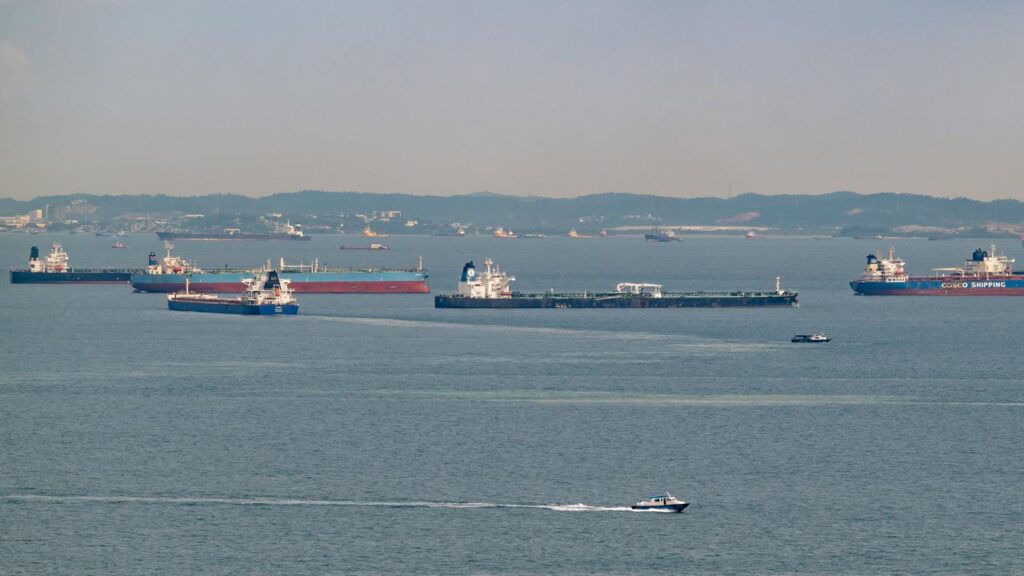
The United States and Pakistan have been talking up the prospects for a deal in the more than six-week war, with US President Donald Trump saying the accord would open the crucial Strait of Hormuz, through which a fifth of the world’s oil and gas supply flows.
Closure of the strait has triggered the worst oil price shock in history and forced the International Monetary Fund to downgrade its outlook for the global economy, warning prolonged conflict could push the world to the brink of recession.
Pakistan’s army chief and a key figure in the mediation, Field Marshal Asim Munir, arrived in Tehran on Wednesday to try to prevent a renewal of the conflict after marathon talks held in Islamabad last weekend ended without a deal.
A senior Iranian official told Reuters on Thursday that the trip had led to greater hopes for a second round of talks and an extension of the two-week ceasefire, but said fundamental differences remained over its nuclear program.
Pakistan’s foreign ministry said on Thursday that both sides were willing to resume talks, though no date had yet been set.
The issue of a ceasefire in Lebanon, where Israel has been waging a parallel campaign against Iran-backed militant group Hezbollah, would also be an essential component of any peace talks, Pakistan said.
Israel’s cabinet met on Wednesday to discuss a possible ceasefire in Lebanon, a senior Israeli official said, while Trump announced the leaders of the two countries would speak for the first time in decades.
Israeli Prime Minister Benjamin Netanyahu would speak with Lebanese President Joseph Aoun, Gila Gamliel, a member of Israel’s security cabinet, told Israel’s Army Radio on Thursday.

“We feel good about the prospects of a deal,” White House press secretary Karoline Leavitt said at a news conference on Wednesday, calling conversations mediated by Pakistan “productive and ongoing”.
She denied reports that the US had formally requested an extension of a two-week ceasefire agreed by the two sides on April 8.
More in-person talks had not yet been confirmed but would likely take place in Pakistan again, Leavitt said.
The war broke out with US-Israeli attacks on Iran on February 28, triggering Iranian attacks on Iran’s Gulf neighbours as well as reigniting the Israel-Hezbollah conflict.
Thousands of people have been killed, mostly in Iran and Lebanon, while soaring energy costs have rattled investors and policymakers around the world.
Iran’s nuclear ambitions were a key sticking point at last weekend’s talks.

The US proposed a 20-year suspension of all nuclear activity by Iran – an apparent concession from longstanding demands for a permanent ban – while Tehran suggested a halt of three to five years, according to people familiar with the proposals.
Washington has also pressed for any enriched nuclear material to be removed from Iran, while Tehran has demanded that international sanctions against it be lifted.
More than halfway through a two-week truce, issues over the nuclear program remained unresolved, a senior Iranian official said.
The war has led Iran to effectively shut the Strait of Hormuz to ships other than its own, sharply reducing exports from the Gulf.
The US has sought to ramp up pressure on Iran’s oil-dependent economy by imposing its own blockade on ships travelling to Iranian ports.
Iran’s joint military command warned it would halt trade flows in the Gulf, the Sea of Oman and the Red Sea – which connects to the Suez Canal – if the US blockade continued.
Reuters