‘Long, difficult journey’: first bird flu mass deaths
Andrew Stafford |
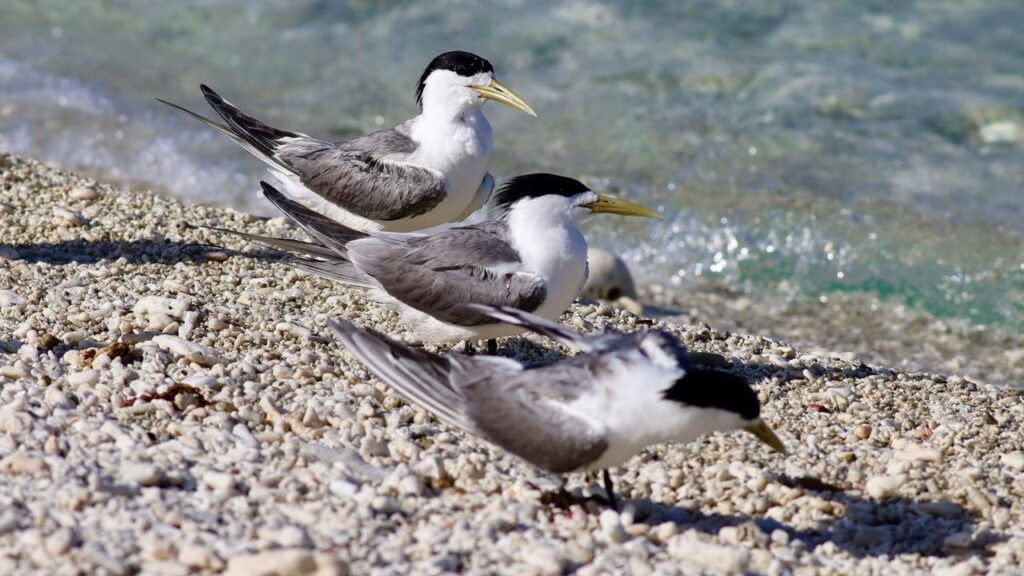
The first mass mortality event in Australia’s bird flu outbreak has been confirmed, prompting authorities to warn of a “long, difficult journey” ahead.
A group of dead and sick greater crested terns in South Australia have tested positive for the deadly strain with 54 dead birds across the state, taking the national tally of current cases to 74.
“Sadly, we do know that once H5 bird flu is spreading in wildlife and the natural environment, it is not possible to avoid significant losses,” Agriculture Minister Julie Collins told reporters in Canberra on Monday.
There was no evidence of the virus having yet spread to poultry or agriculture but Ms Collins did not rule out the inevitability of its spread.
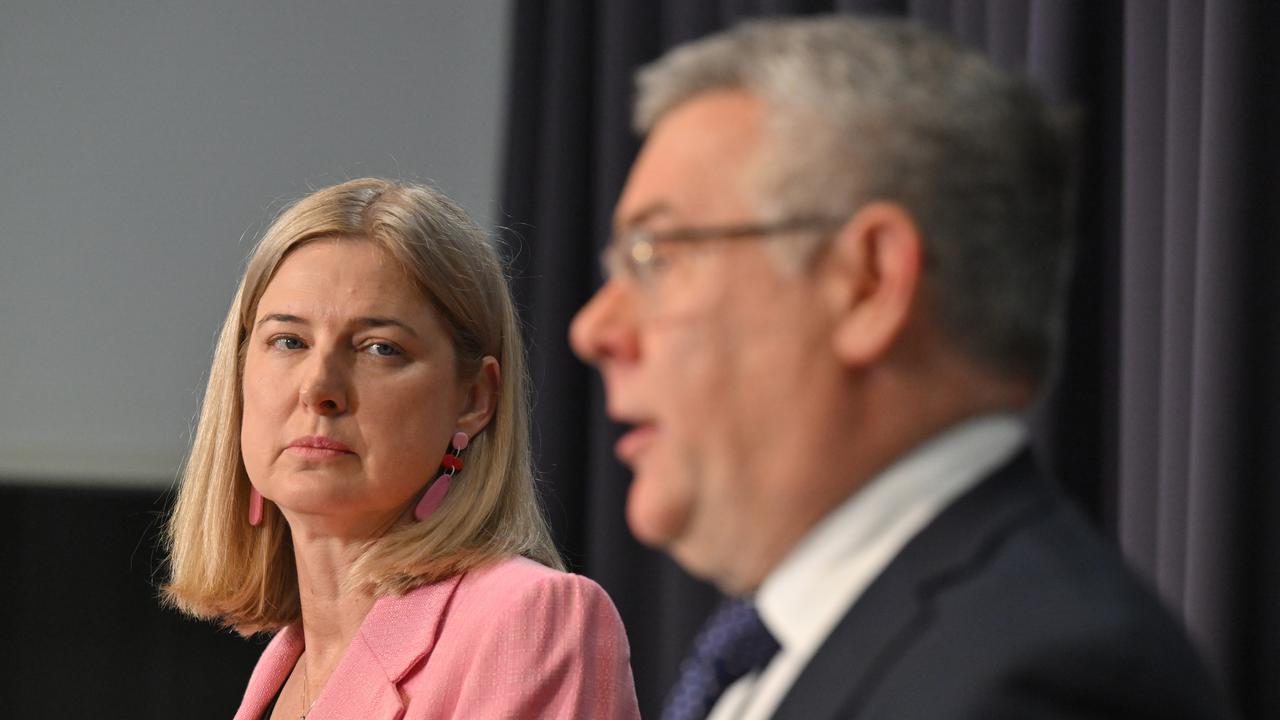
“You do tend to see spillover impacts across the globe when it comes to the H5 (bird flu).”
Ms Collins said Australia had learned from experience while eradicating H7 bird flu after outbreaks in 2024 and 2025 as it prepared for the latest spread.
Australia had also been lucky in being the last continent touched by bird flu, giving it more time to prepare, she said.
The commonwealth has invested more than $113 million in preparedness and responses.
However Ms Collins could not put a dollar figure on the likely total cost to the economy.
She said the cost of eradicating H7 was around $110 million dollars.
Environment Minister Murray Watt warned that the spread of the virus would be confronting and cause significant damage to Australian wildlife.
“I want to level with people, this is the beginning of what is likely to be a long, difficult journey in terms of the impacts of wildlife,” he said.
“The reality is you can’t stop native and wild birds flying around, you can’t stop wild animals moving around, and that will mean more mass mortality events like the one we have now seen.”
Australia is also at the beginning of the migratory season, where tens of millions of seabirds such as shearwaters and shorebirds travel from the northern hemisphere to either breed or rest over the summer.
Mr Watt said a list of Australian wildlife species most at risk would soon be released.
People with backyard chickens were urged to tighten their own biosecurity measures to minimise contact with wild birds.
Feeding of birds was also discouraged to minimise aggregations.
Authorities said there was minimal risk to human health from bird flu.
AAP