How we can fight China rare metal monopoly: mining boss
Derek Rose |
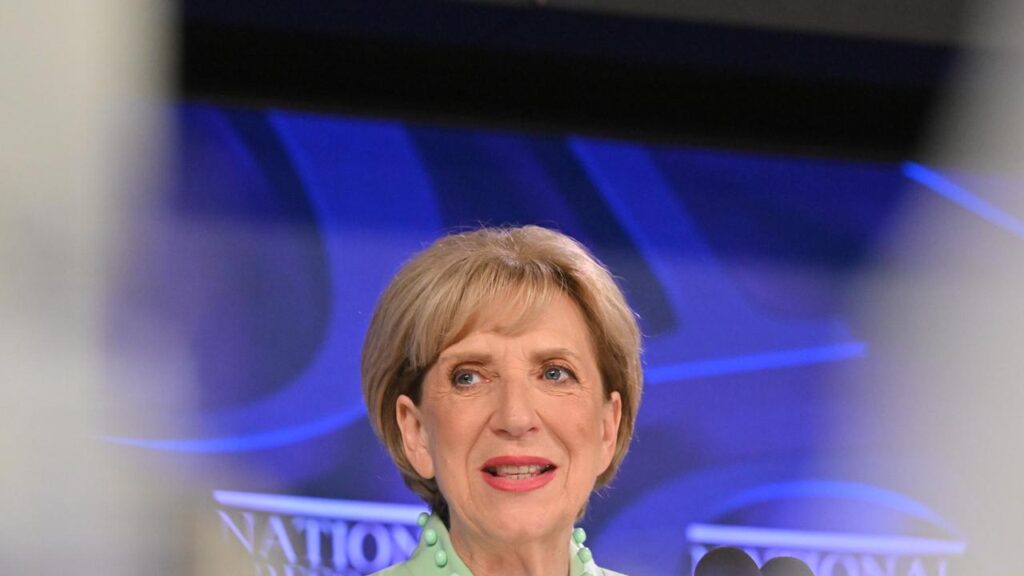
Australia and its allies may have to embrace market intervention to combat decades of inaction that let China gain a stranglehold on critical raw materials, an outgoing mining boss says.
Lynas Rare Earths chief executive Amanda Lacaze told the National Press Club on Wednesday that Australia should produce more mining engineers, consider tax credits and push for more purchases from non-Chinese supply chains.
Such moves could help counter the dominance of China, which spent 30 years developing a monopoly on processing rare earth metals, a group of elements crucial for modern high-tech applications.
China’s push towards monopolising rare earths processing passed with little note when governments believed in the benefits of globalisation, she said, but it had since become clear some countries would use industrial policy to advance their national interests first.

In 2010, following a territorial dispute over uninhabited islands in the East China Sea, China cut off its supply of rare earths to Japanese industry, creating a crisis that resulted in Tokyo financing the development by Lynas of its Mt Weld mine in Western Australia.
But once the crisis passed, China flooded the market with rare earths, tanking prices and bankrupting another miner, US-based Molycorp, in 2015.
Lynas survived thanks to its Japanese backing, but its troubles didn’t end there.
When Ms Lacaze became chief executive in 2014, the company’s controversial Malaysian processing plant “frankly, just did not work”, she said.
“We had limited knowledge on how to fix the plant, a broken balance sheet, little or nothing to sell, difficult relationships with our suppliers, and a shareholder register devoid of any institutional funds,” she said.
Things were so bad her husband sometimes asked her why she took the job, Ms Lacaze added.
“I got sick of reading about the ‘beleaguered miner’ Lynas; the most cutting was where we were described as a debt-ridden basket case.
“We could have easily packed up our bats and balls and got home, because it was pretty tough, but that is not the Lynas way.”

During all this, Japan Australia Rare Earths, a joint venture between Japan’s Sojitz Corp and a state-owned entity, provided financing as well as technical and commercial support.
Today, Beijing still dominates the industry and in 2025 used that as leverage in its trade war with the US, spurring urgent action from Washington to attempt to create its own rare earths supply chain.
“Our experience shows that succeeding in this market is much more complex than simply throwing money at the problem,” Ms Lacaze said.
A long-term perspective was needed to match that of Beijing, she said.
The mining boss recounted that someone in Washington told her recently they “really are focused on the strategic long term” – until the upcoming US mid-term elections.
Engineering remains an aspirational job in China, Ms Lacaze noted, while in Australia universities graduate dozens of mining engineers when they used to produce hundreds.
Tax credits or requirements to purchase from non-Chinese supply chains could help support the industry, she said.
“You can’t stand still … China’s already 20 years ahead of us.

“That means we have to work harder, smarter and faster to catch up.”
Ms Lacaze retires in June.
During her 12-year tenure, Lynas’s market capitalisation has grown from less than $400 million to nearly $19 billion.
In December, it joined the ASX50 index, representing the nation’s largest listed companies.
AAP