Electric trucks could deliver a billion-dollar payload
Jennifer Dudley-Nicholson |
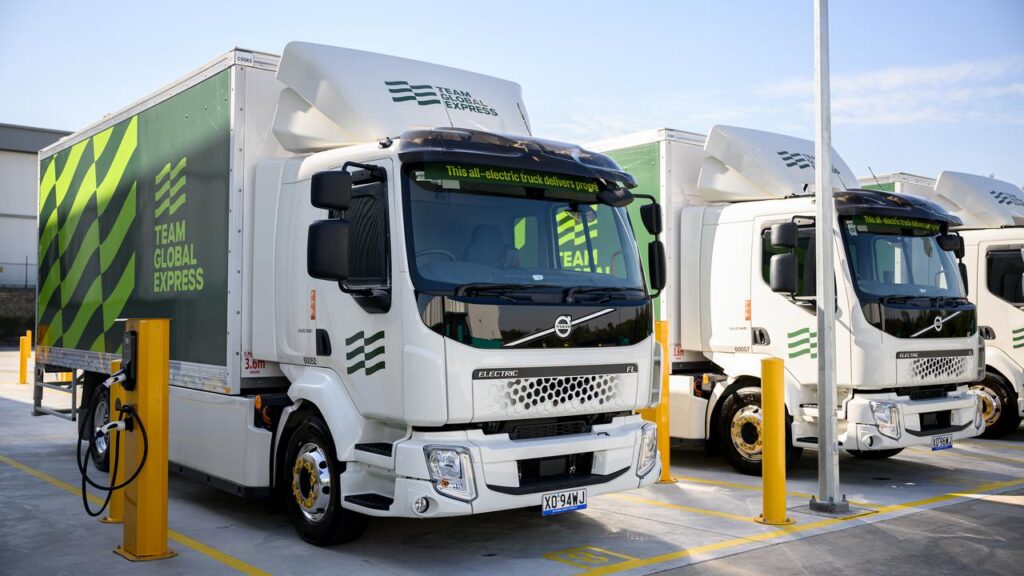
Allowing more heavy-duty electric trucks on Australian roads could deliver a $2.7 billion boost to the economy, a report has found, after more than a decade of stalled productivity.
But some proposals to facilitate zero-emission trucks could prove contentious, including scrapping curfews and introducing higher weight limits despite the risk of road damage.
The Productivity Commission released the findings in its final report on heavy vehicle reform on Friday, almost a year after Treasurer Jim Chalmers requested the study.
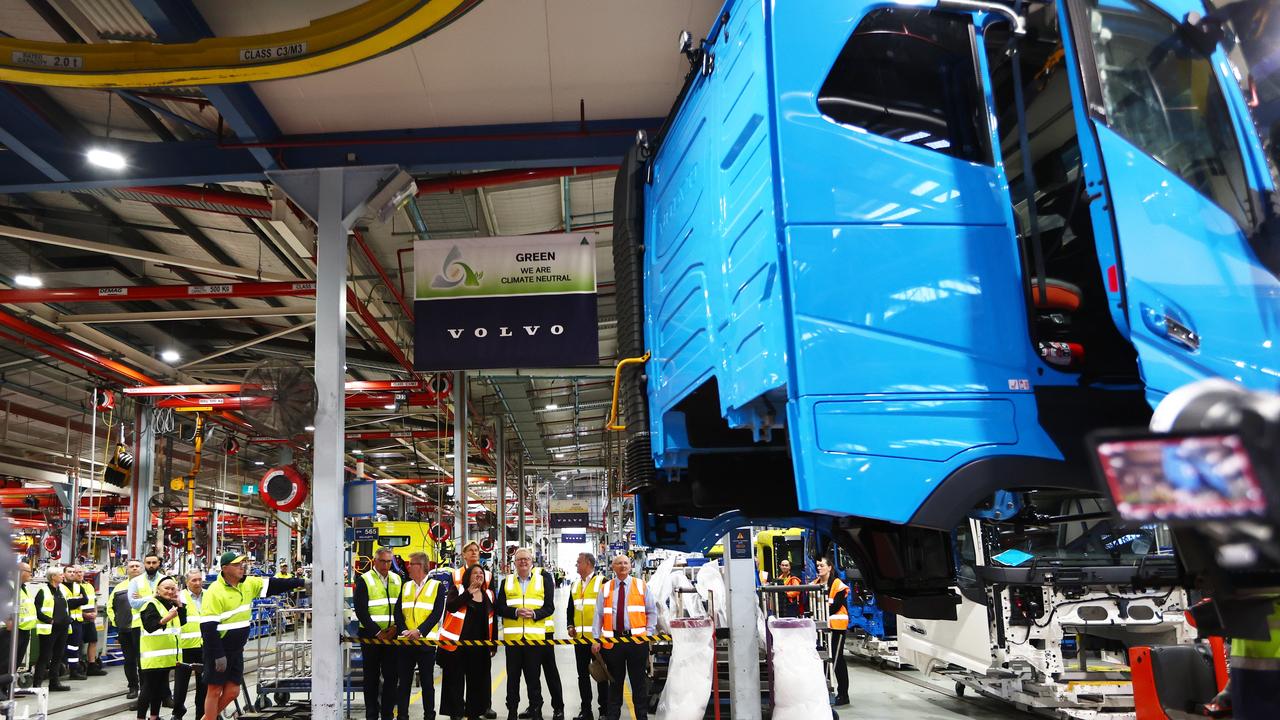
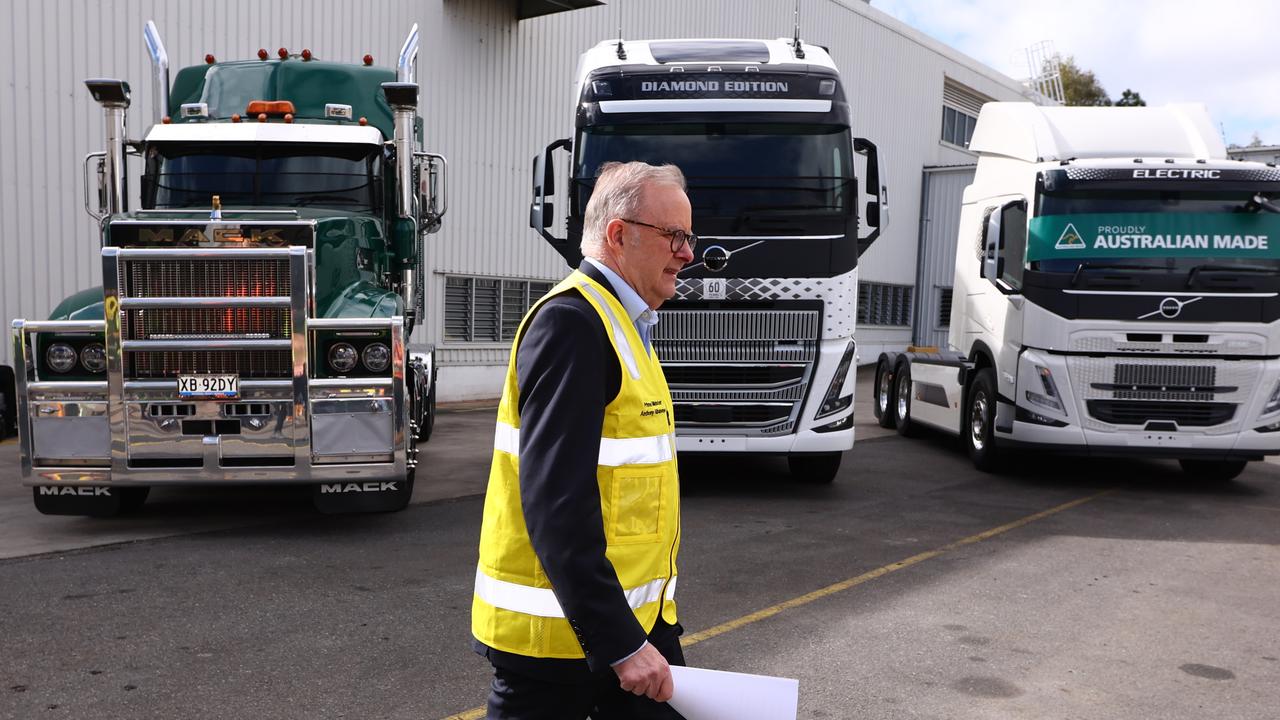
The report comes as the freight industry faces pressure from the rising price of diesel, and one month after Volvo unveiled its first electric prime movers made in Australia.
The Impacts of Heavy Vehicle Reform report found road transport productivity had stalled for more than a decade as trucks reached their technical limits.
Deploying more heavy-duty zero-emission trucks in Australia could restart growth, it said, if governments removed several barriers.
Increasing the general mass limit for heavy vehicles could boost Australia’s economy by $900 million to $2.7 billion a year, for example, even when accounting for additional damage to roads.
“The benefits of higher freight productivity exceed the costs of additional road wear,” the report said.
“Whole-of-economy modelling undertaken for this inquiry … indicates that increases in heavy vehicle general mass limits would boost (gross domestic product).”
The National Heavy Vehicle Regulator and Austroads could monitor road damage for five years after the rule change, the report said.
Other recommendations included changes to planning permissions to increase electric truck charging facilities, a mapping tool for truck chargers, and the removal of late-night curfews for electric trucks by state, territory and local governments.
“Many curfews were designed for conventional diesel vehicles and do not recognise the quieter noise profile of heavy zero-emission vehicles,” the report said.
The recommendation mirrors a major finding from the Electric Vehicle Council’s ELECTruck report, released in May, which found removing curfews could deliver savings of up to $150 a day.
Changing road rules would accelerate changes in the freight industry, Australian Renewable Energy Agency transport general manager Alex Grant said, and give investors greater confidence.
“Battery electric vehicles are here and ready to scale,” he said.
“Australia has an opportunity to build a freight system that is both more efficient and more sustainable, and that means removing barriers that make it harder for businesses to invest in new technologies and ways of operating.”
Companies already investing in electric trucks include Linfox, Woolworths, Team Global Express, Australia Post, and New Energy Transport, which is building an electric truck depot outside Sydney to support 50 vehicles.
Heavy transport represents about seven per cent of Australia’s carbon emissions, according to government estimates, but could reach 16 per cent in 2040.
AAP