Surprise inflation drop eases chance of RBA rate hikes
Jacob Shteyman and Andrew Brown |
Falling inflation levels have defied Reserve Bank predictions, alleviating fears another interest-rate hike is imminent.
The latest Australian Bureau of Statistics data showed headline annual inflation falling to 3.8 per cent in June, down from four per cent a month earlier.
The figure is the lowest level since the outbreak of the US-Iran war in February.
Trimmed mean inflation, the preferred measure for the RBA, remained steady at 3.6 per cent, falling below the central bank’s prediction of 3.8 per cent for the period.
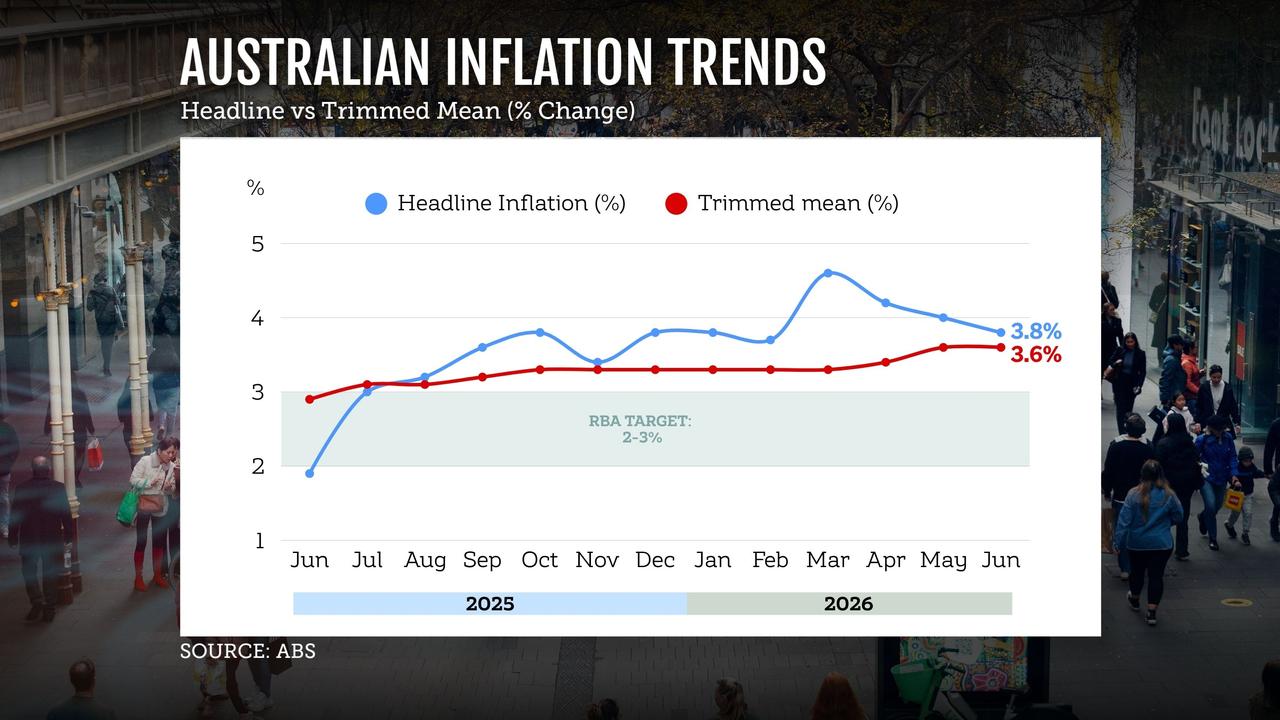
Quarterly figures showed headline inflation falling from four to 3.9 per cent.
The trimmed mean rose from 3.5 per cent in the March quarter to 3.6 per cent in the June quarter.
There were still pressures on the economy despite the welcome figures, Treasurer Jim Chalmers said.
“Inflation continues to be higher than we would like but lower than expected by the market, by Treasury or by the Reserve Bank,” he said on Wednesday.
“We know that this requires ongoing vigilance. Nobody pretends that these inflationary pressures have disappeared overnight.”
The fall in inflation coincided with transport costs moderating for the month, ABS head of price statistics Rachel McCrick said.
“Lower world oil prices as a result of some stabilisation in the Middle East in June contributed to fuel prices falling 10.9 per cent in the month,” she said.
“The federal government’s fuel excise relief measures, which contributed to lower automatic fuel prices in April and May, also remained in place.”
The fuel excise reduction cut the cost of fuel by 32c a litre, but the measure was pared back to a 16c discount in July and will end on Sunday.
Dr Chalmers said the government never intended the excise discount to be permanent, despite oil prices increasing following renewed strikes in the Middle East.
“People shouldn’t expect that fuel excise support will continue beyond the weekend,” he said.
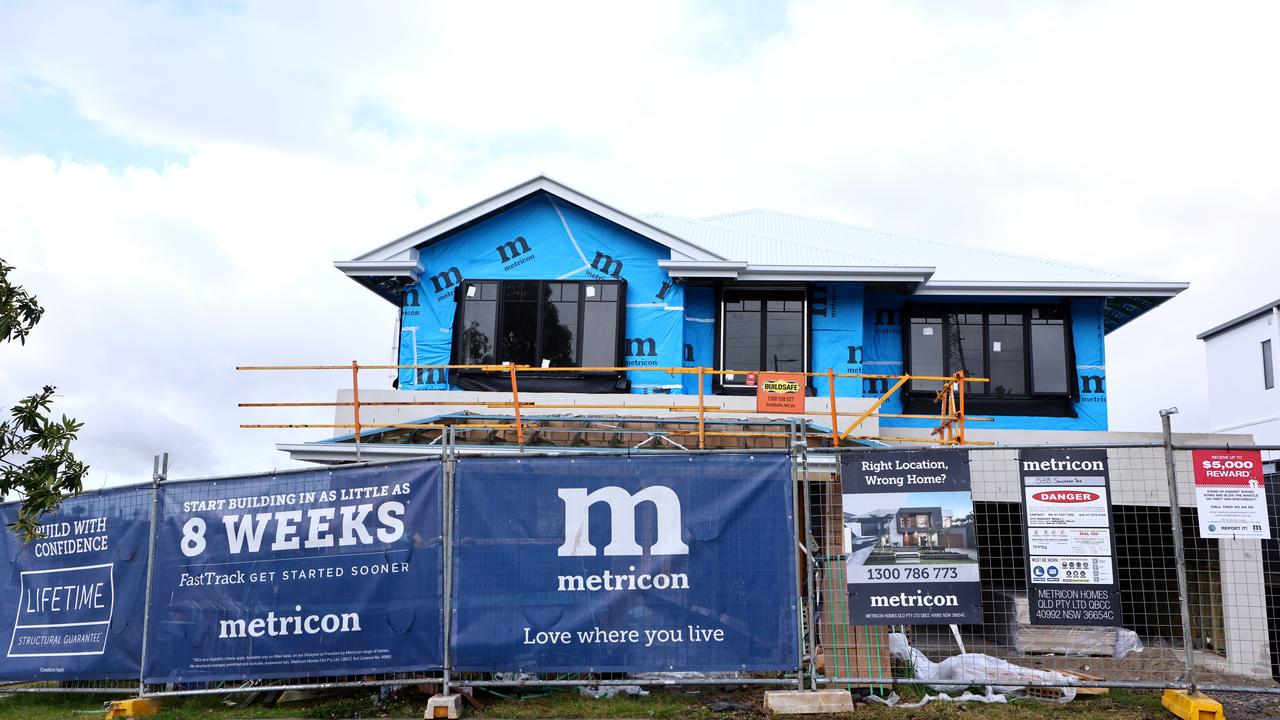
Housing remained the biggest contributor to inflation for the monthly figures in June, rising by 6.8 per cent.
“Annual inflation for new dwellings has reached its highest level in almost three years, at 5.8 per cent,” Ms McCrick said.
“This was driven by builders passing on higher material and labour costs.”
Oxford Economics Australia head of economic research Harry Murphy Cruise said the RBA would focus less on the headline figures and more on the breadth of price rises.
“Underlying inflation is not just resisting pressure to rise. In quarterly terms, it is continuing to ease,” he said.
“All that backs up our view that the RBA will keep rates on hold next month.”
The Reserve Bank is due to meet on August 10 and 11 to decide whether interest rates will rise from 4.35 per cent or stay on hold.

NAB senior economist Taylor Nugent said the inflation numbers might not paint an accurate picture because of the volatility in the Middle East.
“The data feels a bit more dated than usual,” he said.
“Cost pressures have re-emerged over recent weeks, but at the same time, indicators of domestic capacity pressures have eased a little.
“Ongoing conflict in the Middle East remains a threat to inflation, inflation expectations and hence the policy rate outlook.”
The bank still expects for the RBA to keep rates on hold for the remainder of the year before easing from May 2027.
AAP