Airport declared safe by minister despite near misses
Lucinda Garbutt-Young |
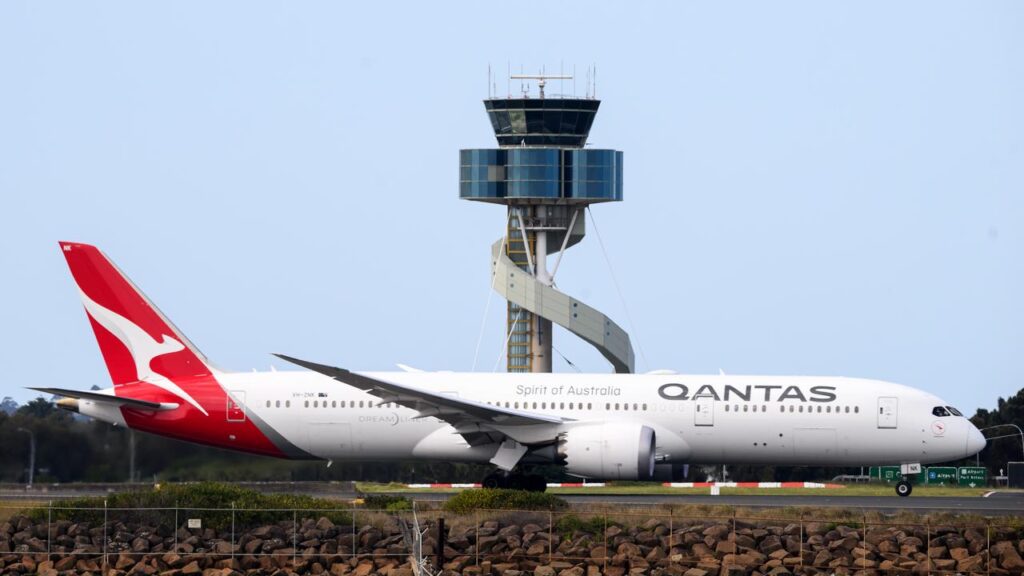
Sydney Airport is safe despite investigations into air traffic control rostering and fatigue concerns, which might have contributed to near misses between aircraft, a federal minister says.
Between July and August, Sydney Airport narrowly avoided four collisions on runways, including one in which a jet was damaged and unable to turn around.
Ground staff and pilots had to act on each occasion to avoid a major collision.
“Based on information detailed in our preliminary reports, staff resourcing within Sydney Tower at the time of many of the occurrences has emerged as a recurring area of enquiry,” Australia Transport Safety Bureau chief commissioner Angus Mitchell told reporters in Canberra on Wednesday.
“We recognise that air traffic control systems are under strain globally and I acknowledge the professionalism, training and commitment of air traffic controllers.”
Transport Minister Catherine King said Sydney Airport was co-operating well with all investigations and the airport remained safe for travellers.
A new independent assurance panel has been launched to help Sydney implement changes to its air traffic control.
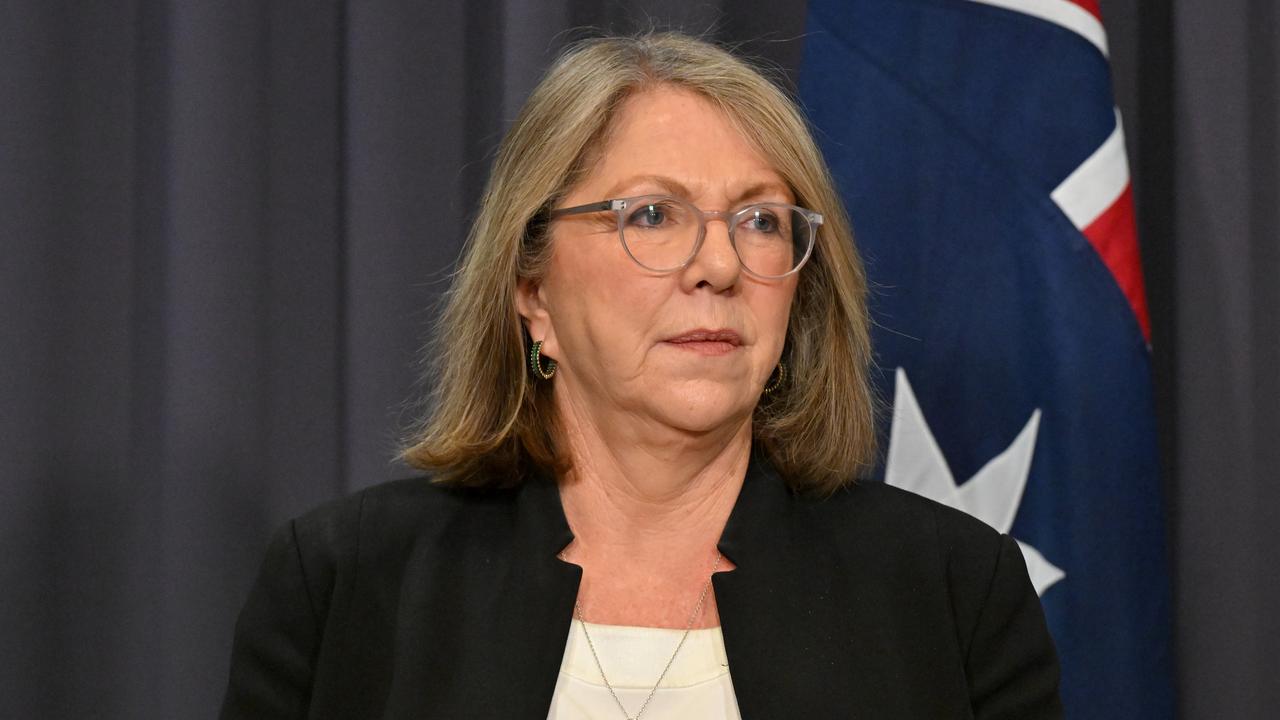
Retired Air Vice Marshal Ken Robinson has been appointed as chair of the panel. Other members will join for an initial six-month period.
In one incident, a flight attendant fractured a wrist after being knocked off their feet as the plane stopped suddenly on a runway where a larger aircraft was being towed. The risk was transitory, but two planes stopped with 30 metres between them.
In another near miss, an air traffic controller was sent for a break and had completed handover just seven seconds before a plane was wrongly cleared to cross the runway and came within 120 metres of a landing aircraft.
The airport regularly uses overtime shifts to fill gaps in rosters and there were predictions of elevated fatigue risks for tower staff at the time of incidents.
There were also concerns about air traffic controllers carrying out multiple responsibilities at the same time and conducting live training while being expected to keep on top of usual duties.
Fatigue risk did not necessarily mean staff felt that way, Mr Mitchell said. Rather, a mathematical equation based on staffing levels and rosters meant there was reasonable belief that they could be.
Air traffic controllers at Sydney Airport took an average of 17 days of sick leave last financial year, documents revealed, which was higher than at other major Australian airports.
The controllers cannot turn up to work unwell or tired – not as a matter of decorum but as a legal requirement – and are entitled to unlimited sick leave as a result.
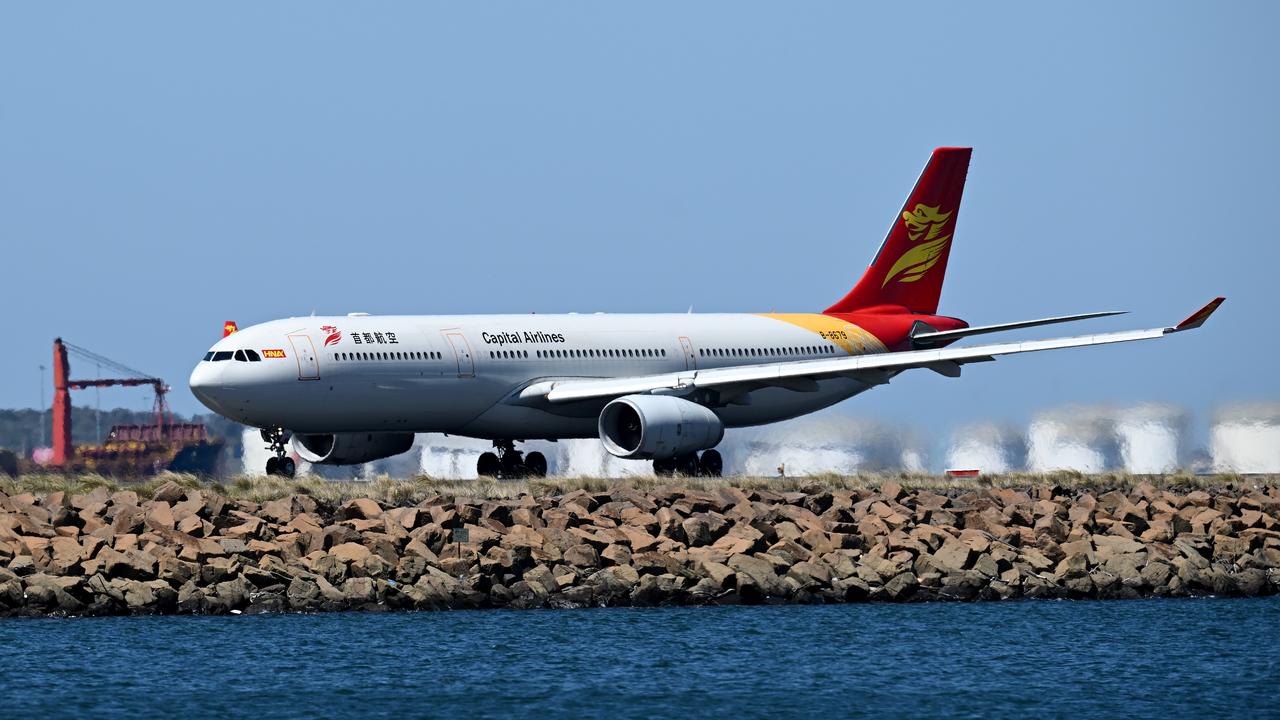
The incidents at Sydney Airport are being examined to help understand how to fix issues across the country.
Sydney had a 20 per cent higher incident rate than other major Australian airports.
“The air traffic control challenges facing Sydney Airport are widely recognised, and I am encouraged by the work under way to address them,” Mr Mitchell said.
The Department of Infrastructure and Civil Aviation Safety Authority are working to improve aviation safety, particularly as new air traffic controllers are trained.
The final reports on the incidents are set to be released in coming months.
AAP