Motorists set to pay more for fuel as tax cut ends
Tess Ikonomou |
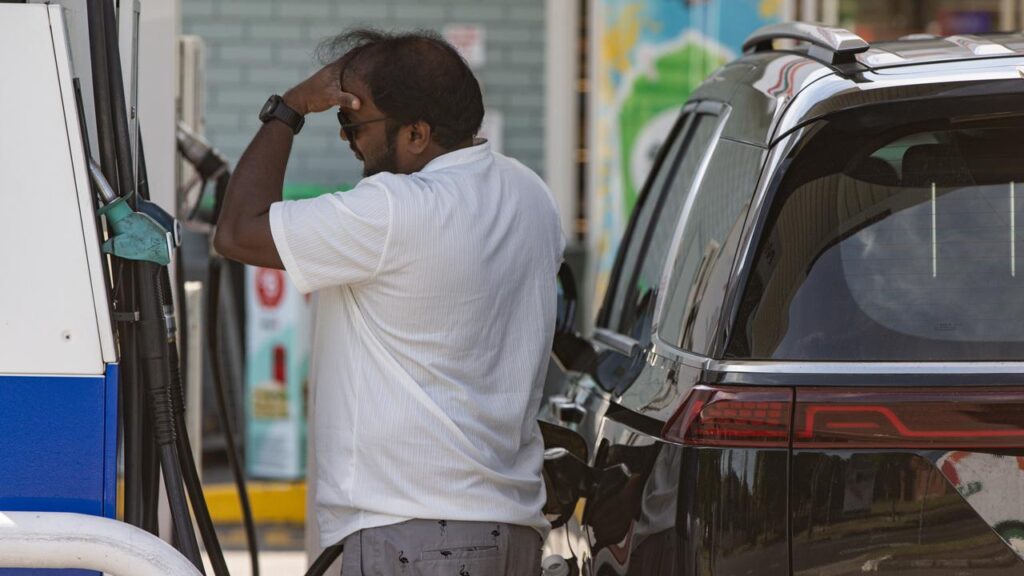
Motorists and businesses will be paying higher prices at the bowser as a reduction to the fuel tax comes to an end.
The federal government temporarily halved the fuel excise in April, slashing 26 cents off a litre, in response to soaring global oil prices caused by the war against Iran.
The $2.5 billion measure is planned to run out at the end of June.

Australia’s peak motoring body is warning, based on current prices, the average for unleaded petrol in Sydney in July will be 40 cents higher than before the start of the war against Iran, at $1.99 per litre.
Diesel would be 65 cents higher at 2.37 cents per litre.
Transport Minister Catherine King indicated it would not be extended further even as conflict continues in the Middle East.
“We’re consulting, obviously, with industry about the impact of that, but people should at this stage expect that it’s coming off at the end of June,” she told the ABC on Wednesday.
“We are doing everything we can to shield Australians from this conflict in the Middle East.”

NRMA spokesman Peter Khoury said regional Asian markets, where Australia sources most of its imported fuel, remained pretty steady.
“We don’t know what’s going to happen in the Middle East, prices in a month’s time could be lower or higher,” he told AAP.
Ms King said the government’s senior ministers were working to secure Australia’s fuel supply by shoring up key international relationships with partner nations.
The US military has begun launching “self-defence” strikes against Iran in response to the downing of an American Apache helicopter.
US President Donald Trump earlier said his nation must respond to the attack.
Iranian state media confirmed explosions were reported in Sirik, a port city along the Strait of Hormuz.

Prime Minister Anthony Albanese told ABC Radio the constant changes surrounding the Strait of Hormuz made it difficult to “deal with the consequences”.
Asked if he knew what Mr Trump’s plan was, Mr Albanese said the US president had to be taken at face value.
“We continue to call for a de-escalation of the conflict. It’s having an impact here,” he later told reporters in Melbourne.
According to Treasury data, Sydney, Melbourne and Brisbane experienced reductions in fuel prices of at least 89 cents per litre for unleaded petrol from the end of March.
In those three cities, petrol reached an average of at least 257 cents a month on from the US-led strikes on Iran.
AAP