Poll surge for populists trigger for PM’s tax backflip
Jacob Shteyman and Andrew Brown |
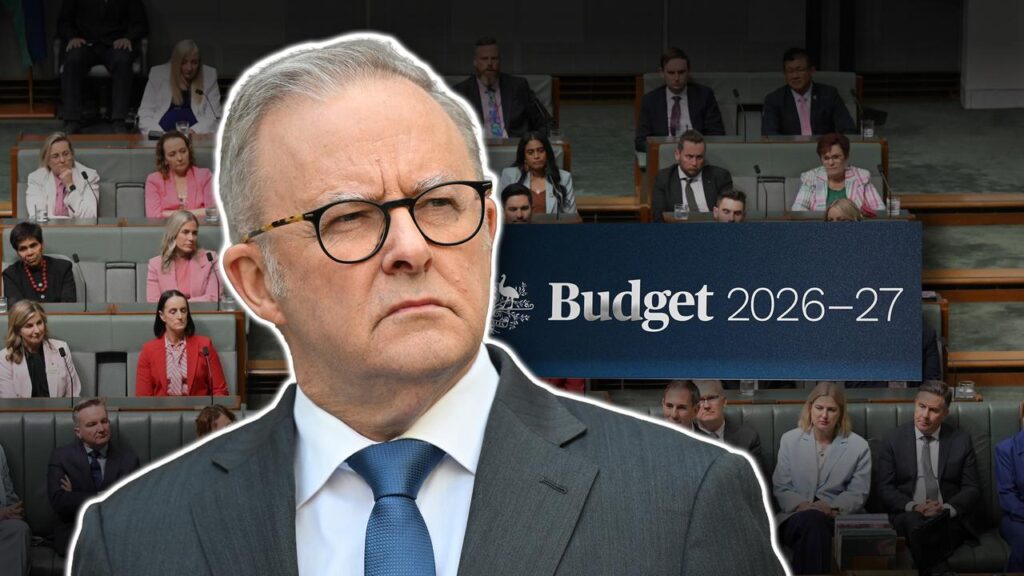
Controversial tax reforms in the federal budget will help protect Australia’s democracy and social cohesion as more voters look for solutions from populist parties, the prime minister says.
When asked why he was not up front about changes to negative gearing and the capital gains tax before the last election, Anthony Albanese told an economic summit the federal government was forced to act in the May budget.
“If people think the economy isn’t working for them and they’re working their guts out and they’re not getting an opportunity, I’ll tell you what, they will turn to more simplistic, grievance-based politics,” he told the Australia’s Economic Outlook summit, hosted by News Corp, on Friday.
“That is the context in which my government is saying, ‘no, we’re going to deliver real change for the better’.”

While he didn’t reference Pauline Hanson’s One Nation directly, the prime minister’s speech addressed the rise in the polls of the right-wing populist party and populist parties in Western democracies more broadly.
Mr Albanese said he made a political judgment to change his position on tax reform because “if government stands still, the world will go past them”.
“I reckon I could dig up 50 editorials over my time as prime minister and leader of the Labor party that call for tax reform, that call for government to get serious about it,” he said.
The tax changes, which also included introducing a minimum 30 per cent tax on capital gains and a $250 a year tax offset for workers, passed the House of Representatives on Thursday.
But the laws face an uncertain future, with the Greens yet to indicate if they will back the federal budget reforms through the Senate.
The Greens have threatened to team up with the opposition to force Labor to extend a “rushed” two-day Senate inquiry that will scrutinise the laws before they go to the upper house.

Assistant Treasurer Daniel Mulino said the laws were not being raced through as issues surrounding tax and housing had been on the agenda for a long period, including at an economic reform roundtable in August and in 17 hours of debate in parliament so far.
“It was in that broader context that the budget was framed and so there has been a long-running discussion around these kind of issues and, in fact, a lot of the issues dealt with in the budget have been looked at in previous tax inquiries,” he told ABC Radio.
While the government has come under fire for seeking to legislate the tax changes first and then potentially introduce carve outs and exemptions at a later date, Mr Mulino said that was par for the course.
But deputy opposition leader Jane Hume said there was no need to rush the changes through as they don’t kick in until 2028.
Investors have warned that Australia’s startup and venture capital sector would be particularly impacted by the removal of the 50 per cent capital gains discount in favour of an inflation indexation model.

The government is consulting on a potential carve-out for startups, but the prime minister did not accept entrepreneurs would leave the country as a result of the tax changes.
“Whenever I meet with investors in New York or Abu Dhabi or Jakarta or the EU, they want to do business here in Australia,” Mr Albanese said.
“They recognise that investing in this country means buying into a stable democracy with a stable legal system and a skilled workforce with an abundance of clean, cheap energy.”
Mr Albanese said a long process to exempt large groups from the tax changes would only fiddle around the edges of the status quo.
AAP