$1 billion bid to keep Great Barrier Reef off the endangered list
New funding to protect the Great Barrier Reef will "back in" scientists to help preserve the natural wonder, according to the prime minister.
New funding to protect the Great Barrier Reef will "back in" scientists to help preserve the natural wonder, according to the prime minister.
The Great Barrier Reef will receive another $1 billion following Australia's successful bid to delay a decision about listing it as "in danger".
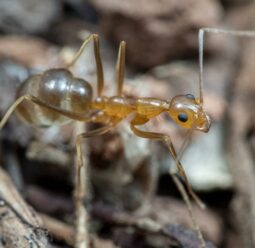
Yellow crazy ants can have a devastating effect on native skinks and scientists fear some of Australia's tiniest, most endangered frogs could be next.
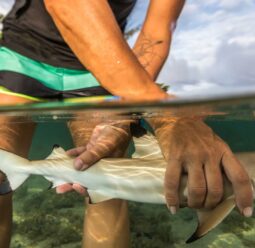
Scientists say climate change is heating the shallow coastal nurseries baby sharks depend on for survival and evolution might be too slow to save them.
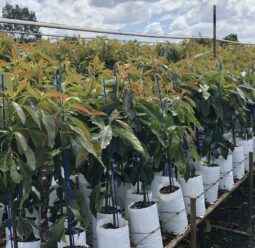
Avocado clonal trees are expected to hit mass production next year in Australia, one of 22 Australian projects to share $12 million in government funding.
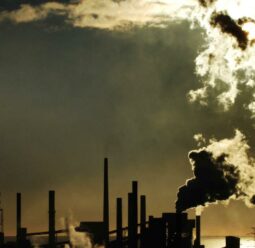
Australian scientists are turning carbon dioxide into solid carbon in what could be a game changer for emissions-heavy industries fuelling climate change.
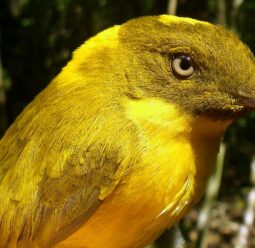
Lowland bird populations in the Australian Wet Tropics World Heritage Area are moving uphill as temperatures rise, displacing other species, researchers say.
Australia's plan to deal with its radioactive waste is either the best or worst idea ever, depending on the perspective.
Conservation dogs are being used to help to sniff out the droppings of endangered native animals as well as their foes to help with preservation efforts.
Australia is preparing to receive a second shipment of radioactive waste that's been reprocessed overseas.
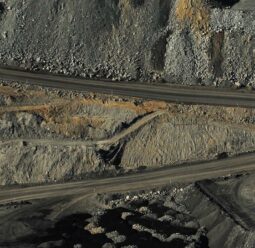
Mining giant Glencore is planning a new metallurgical and thermal coalmine in Queensland that it says can be accommodated within its climate strategy.
Mattresses are believed to be Australia's most common illegally dumped item, accounting for 20 per cent of the inorganic waste found on the street.
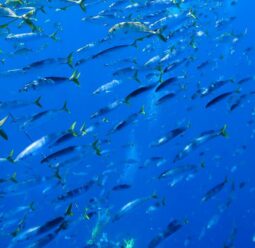
Two primary effects of global warming disrupt the ability of fish to form defensive schools, meaning they're more likely to be eaten.