Aussie anti-doping chief’s drugs in youth sport warning
Steve Larkin |

A global report finding 10 million children use performance-enhancing drugs in sport is a stark reminder of the importance of education, Australia’s top anti-doping official says.
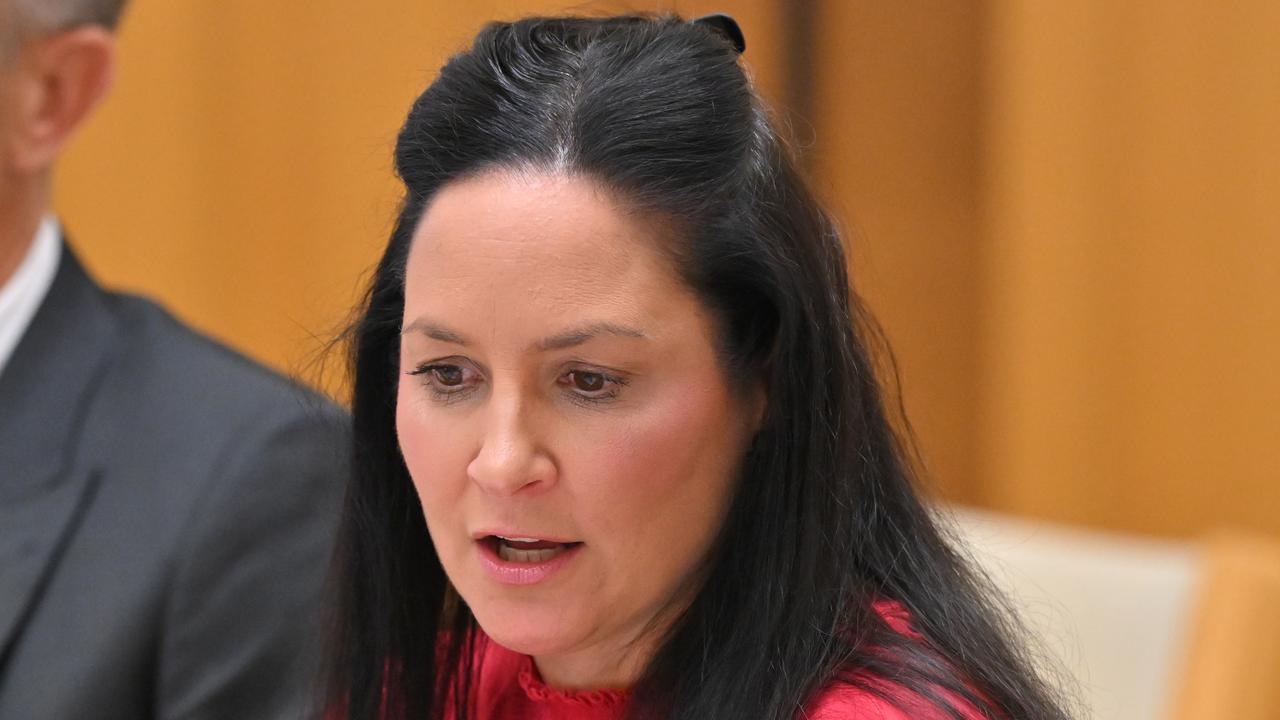
Sports Integrity Australia (SIA) chief executive Sarah Benson is yet to fully digest the findings of an investigative report by German broadcaster ARD.
“At first glance, it looks like a really broad brush, and a broad lens to the definition of doping and the use of substances,” Benson told AAP on Tuesday.
“Regardless of is it accurate or not, the core message is sound.
“For us as we head to (the Brisbane Olympics in) 2032, we will see a younger cohort of Australian athletes because it is a home Games and we’re already seeing that across a range of sports.
“We really want to make sure our youth are equipped with right information to be making sound decisions.”
The ARD studied 44 surveys in 15 countries of sports-playing children aged eight to 17. It was not clear if Australians were among them.
The children were asked anonymously about their use of performance-enhancing substances in what is believed to be the first global study of child doping.
“Worldwide, about 200 million children participate in competitive sports and, according to the studies, an average of five to six per cent of children dope,” Paulo David, former secretary of the UN Committee on the Rights of the Child, told ARD.
“If you extrapolate that, 10 million children worldwide are affected by doping.”

SIA chief Benson believed peptides and supplements, widely available online, were “a driving force behind that figure”.
“Whether it’s representative of the Australian picture or not, I think it is a problem,” she said.
“It’s a problem in society and it’s a problem therefore for our youth.”
SIA was established in 2020, taking over Australian Sports Anti-Doping Authority (ASADA) functions in addition to overseeing sports integrity matters.
SIA was noting increased intelligence via hotlines and website traffic regarding unregulated peptide use, Benson said.

“It feels like a lost cause if we’re getting them at the elite level and they’ve tested positive,” she said.
“We want to prevent. And in order to prevent and make sure we have got a clean culture, we need to start young.
“We’re up against it because of that huge swell from social media and other influences that have the ears and they eyes of our young people.
“So for us, the challenge is how do we get our message out there.”
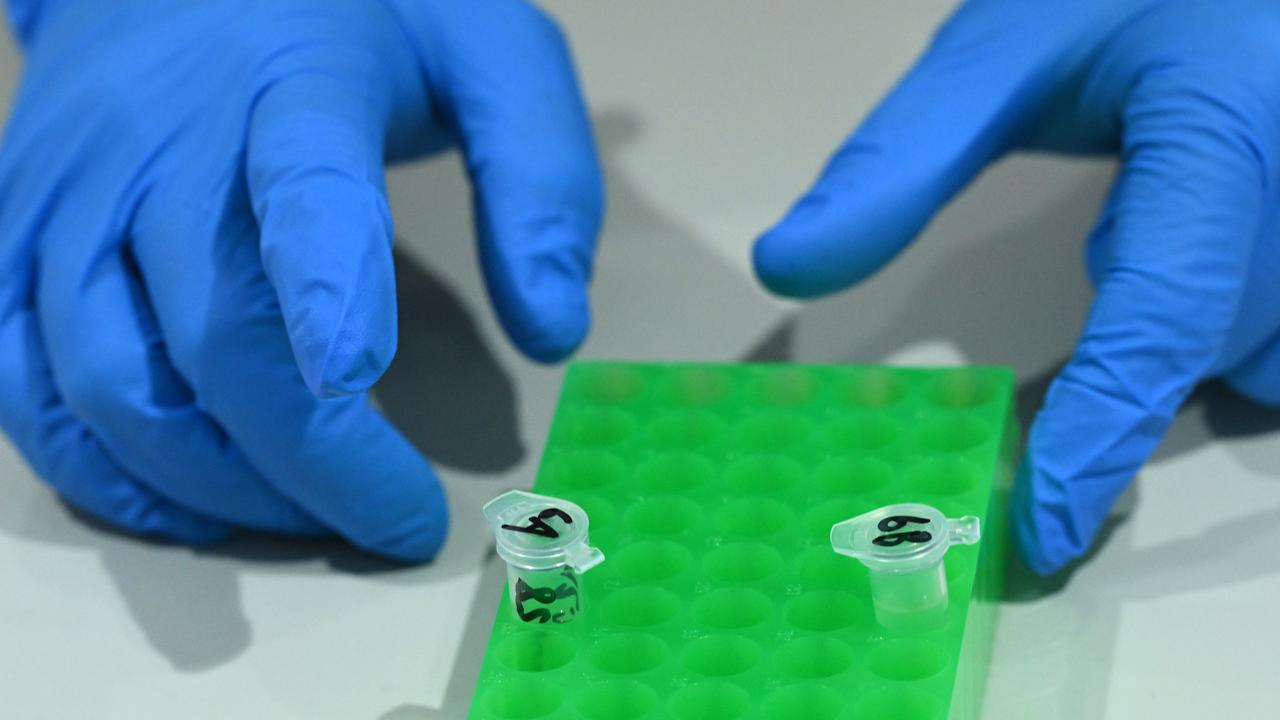
In the 12 months to October 31 this year, SIA conducted 5234 doping tests across 51 sports. Sixteen tests resulted in anti-doping rule violation matters.
“It does tell a story that we are a highly compliant and fair nation and we have fair athletes who don’t seek to cheat the system to win,” Benson said.
“But it also probably tells a story, just thinking more broadly of the prevalence of peptides and other things in society, that perhaps we’re not detecting all those that are intentionally or unintentionally taking prohibited substances.
“All data is a bit of a mix, it tells two stories. And we have got to continue to focus our efforts to prevent though education.”
AAP