Macron vows ‘strong measures’ to assuage France demos
|
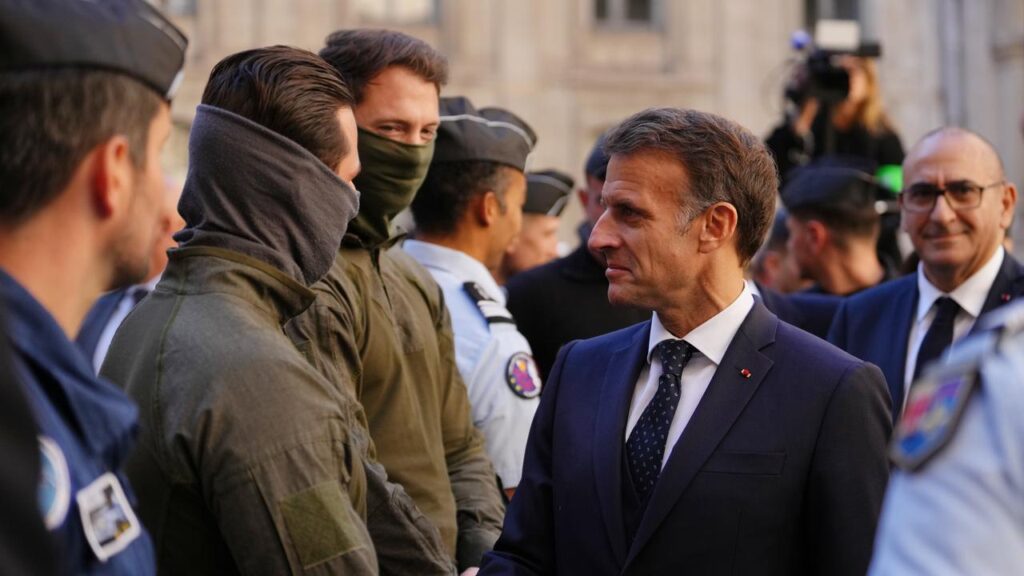
French President Emmanuel Macron has promised that his government will announce a package of measures in response to weeks of street protests over a broad set of grievances, while acknowledging the risk of more unrest ahead.
His Prime Minister Sebastien Lecornu is set to hold a news conference after a meeting with unions of high school students who want more resources for the education sector and an overhaul of a university admissions process they say embeds inequalities.
“I have … asked the government to respond to the legitimate demands that lie at the root of this social movement,” Macron told reporters in Marseille, where he travelled to inspect the damage from earlier protests.
Macron repeated what Interior Minister Laurent Nunez said earlier, that more unrest is expected next weekend.
The protests show little sign of easing after violence nine days ago engulfed dozens of cities, leading to fears the state had lost control of the streets.
In response to the turmoil, the interior ministry deployed 70,000 police for Saturday’s demonstrations, which unions called to denounce the high cost of living and public services.
The movement has grown far beyond initial student discontent, drawing in trade unions and “yellow vest” activists, known for their high-visibility jackets and mass demonstrations against economic pressures including high fuel costs.
Nunez said the huge police presence prevented a repeat of violence seen earlier this month but asked by BFM TV on Monday whether he expected further disturbances during demonstrations planned for October 31, he replied: “Clearly, yes.”
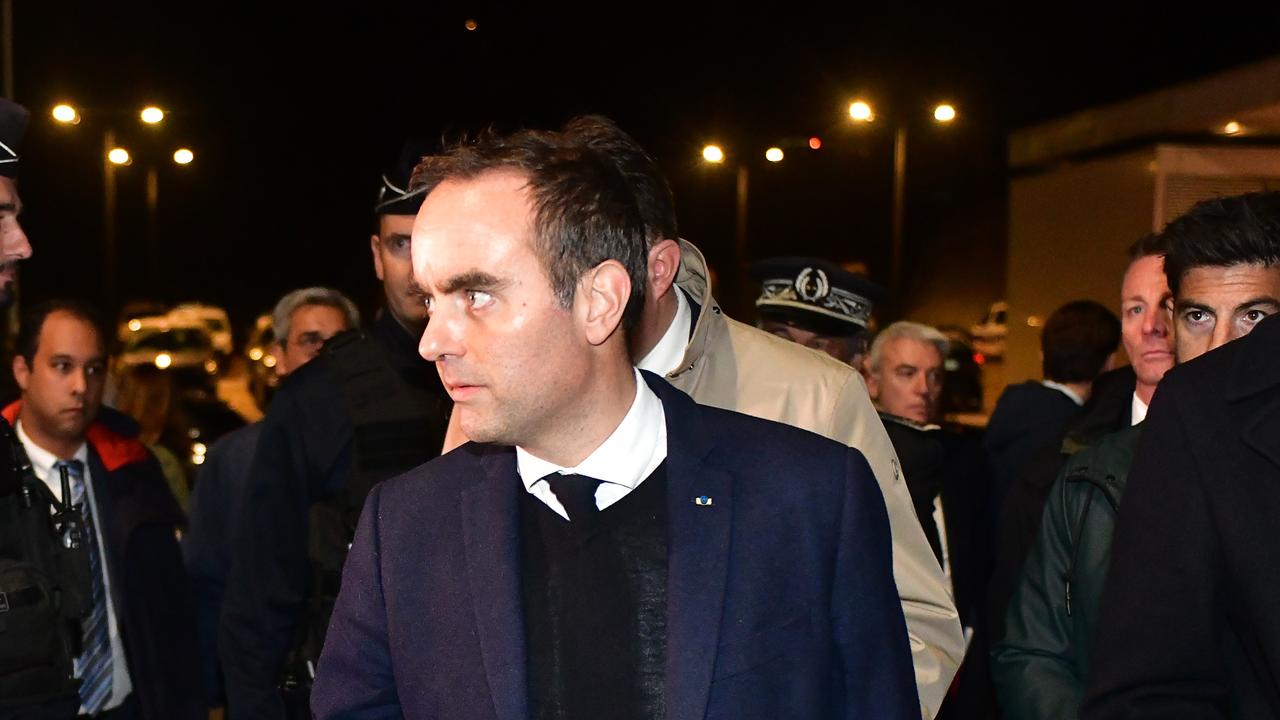
“Halloween evening is traditionally always a bit lively. We expect it to be complicated again,” he added.
Nunez said 1435 people were arrested across the country during Saturday’s demonstrations and said police had also recorded a new phenomenon, with organised ”far-right” gangs confronting “ultra-left” activists in several cities.
“We knew there had been calls from numerous identity-based and nationalist movements to come out, officially, to defend businesses,” he said.
“In a number of cities, such as Nice and Montpellier, these groups arrived in organised formations, mainly to target the ultra-left movement.”
The government sought to portray Saturday’s operation as evidence it had regained the upper hand, despite sporadic violence, especially in France’s three largest cities – Paris, Marseille and Lyon.
“The state prevailed this weekend. The state was strong,” government spokeswoman Maud Bregeon told RTL radio.
She said protesters had raised legitimate grievances that needed to be heard but added that restoring calm was a prerequisite for meaningful negotiations.
With his presidential mandate due to expire in April and public finances under severe strain, Macron has limited scope to defuse the crisis through the costly concessions that helped quell previous waves of unrest.
Business leaders said the unrest was continuing to inflict heavy economic damage despite a calmer weekend.
Alain Di Crescenzo, head of the CCI France network of chambers of commerce and industry, said many retailers had remained closed as a precaution after the violence of October 17, adding that sales had fallen by about 80 per cent.
“We have shopkeepers who are tired and demoralised, and we are killing local commerce,” he told Radio Classique.
Reuters