Brazil’s President Lula wins fourth term
Ricardo Brito and Luciana Magalhaes and Pedro Fonseca |
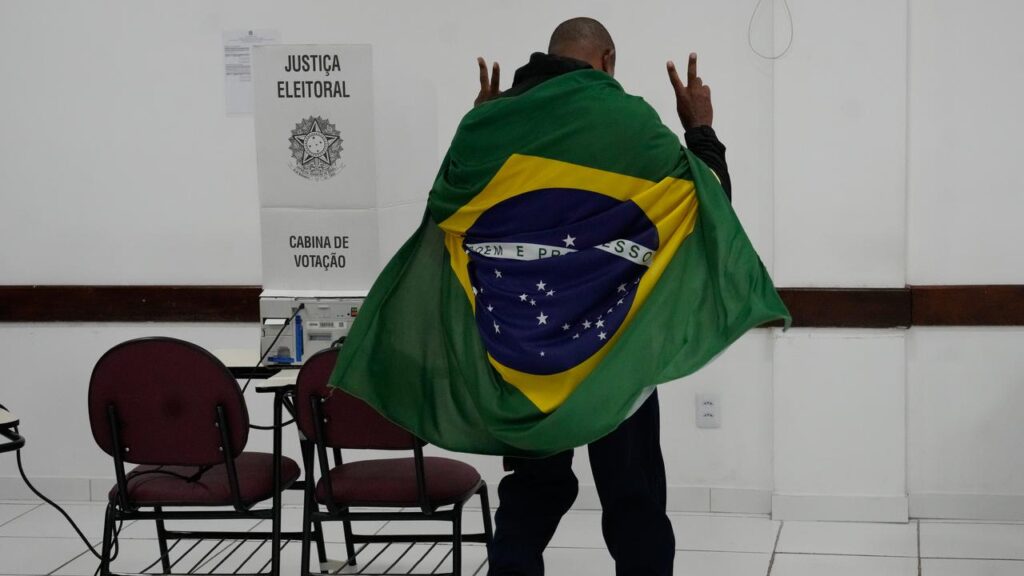
Brazilian President Luiz Inacio Lula da Silva has won an unprecedented fourth term, in a shock result that defied polls, precedent and global anti-incumbent sentiment to put the brakes on a wave of right-wing election victories across Latin America.
Lula, an icon of the global left and the most dominant force in Brazilian politics this century, defeated Senator Flavio Bolsonaro, the eldest son of former president Jair Bolsonaro on Sunday.
The senator had finished first in the election’s first round and hoped to revive his father’s far-right movement.
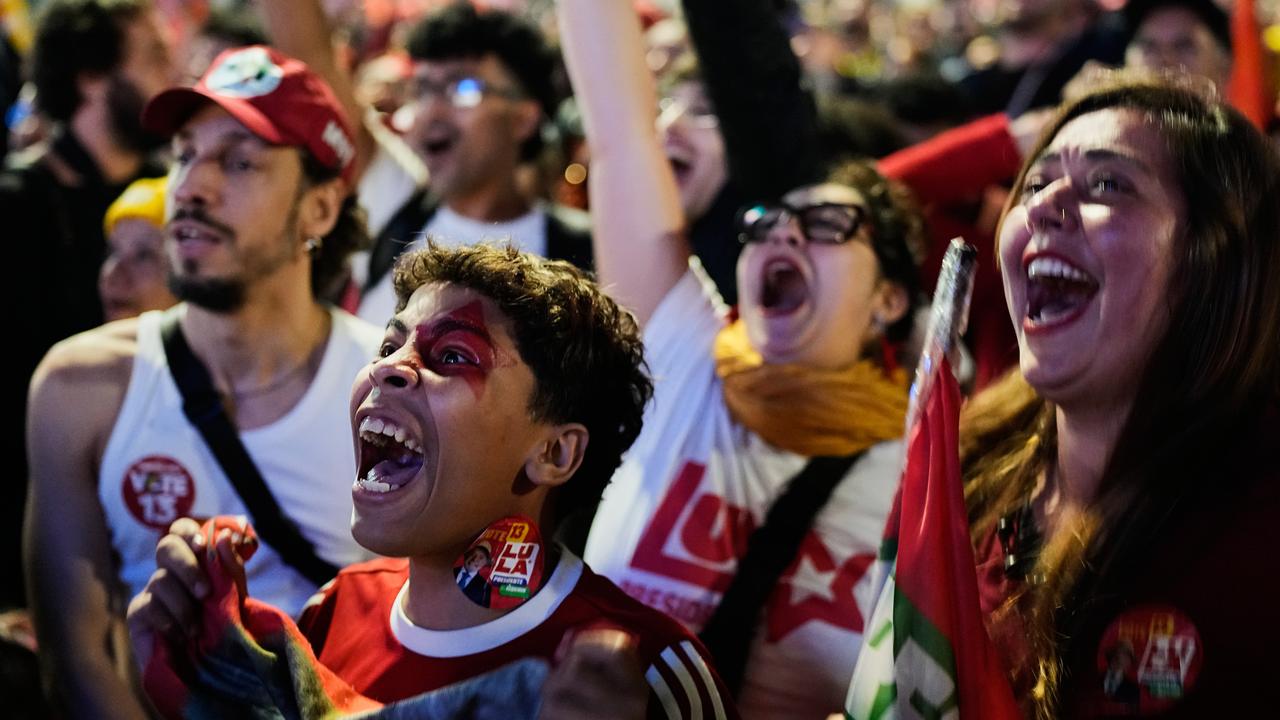
At times, Lula’s re-election looked like a long shot, as voters soured on him and his Workers’ Party after years of corruption scandals and rising prices, while sweeping societal changes left the former metalworker and union leader looking out of touch with an increasingly app-based economy and its growing ranks of informal workers.
Lula’s victory marks another comeback in a career full of them.
The 80-year-old was jailed from 2018 to 2019 on corruption charges that were later overturned, paving the way for him to beat Jair Bolsonaro in the 2022 election.
“He is a statesman, a giant,” leftist federal lawmaker Erika Hilton, who was with Lula in Sao Paulo during the vote count, told Reuters.
Pollsters said better-than-expected turnout had powered Lula to victory.
During the campaign, Lula pointed to a track record of falling poverty and inequality, while unemployment, illiteracy and deforestation hit record lows during his third term.
He warned Bolsonaro would cut welfare spending, backslide on social advances and hand over Brazil’s sovereignty to US President Donald Trump, whose State Department led a campaign to get the Bolsonaros back to power.
Lula’s win deprives Trump of a major addition to what has been a growing bloc of friendly right-wing Latin American governments that have embraced Washington’s agenda on security and migration.
Celso Amorim, a former Lula foreign minister, told Reuters the leftist “would be very important for establishing a point of balance in Latin America. Lula is that balance”.
Lula becomes the first candidate since Brazil’s return to democracy in the 1980s to be elected after finishing second in the first round.
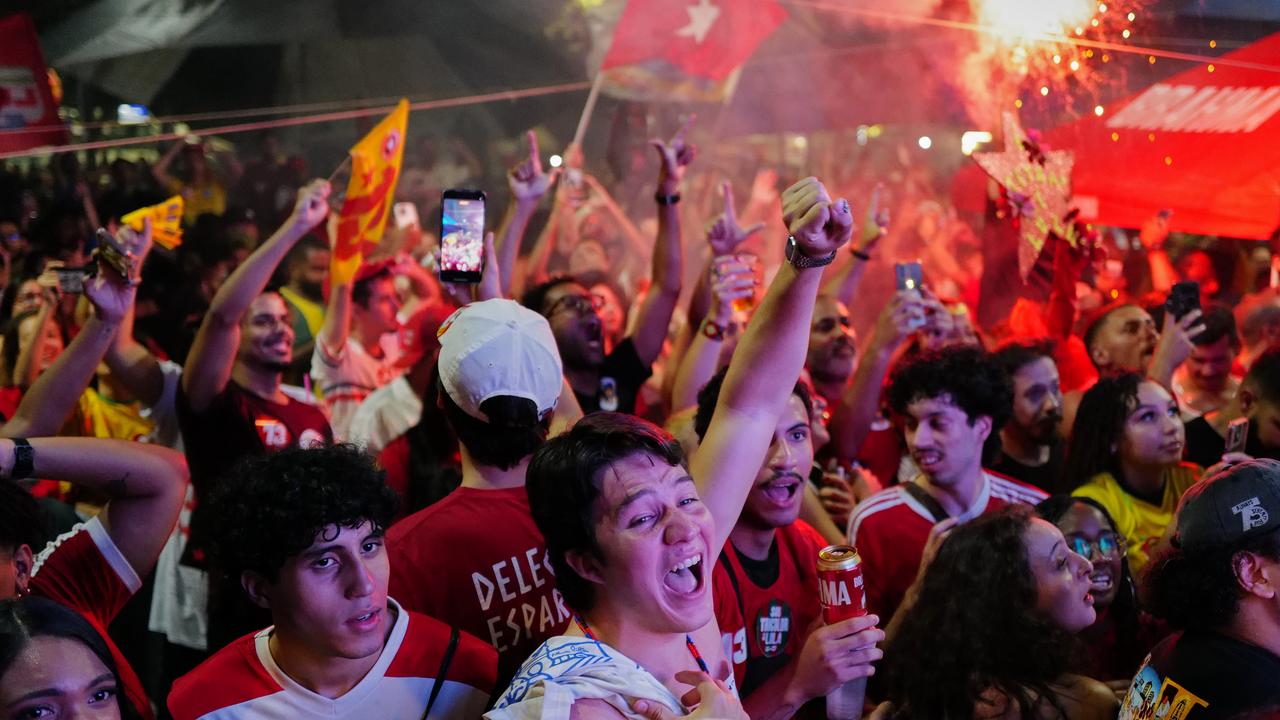
Lula, who was president between 2003 and 2011, campaigned on a potent mix of pragmatism and populism that has shaped his career in national politics for half a century, rolling out a slew of reforms aimed at improving the lives of workers and poor Brazilians.
These gained steam with late-campaign pledges that ranged from free nationwide weekend public transport, which has to be formally submitted to Congress, to a 15 per cent increase in his trademark welfare program that is already being implemented.
Lula also championed a constitutional amendment that became Brazil’s biggest labour reform in decades, which passed with wide support in Congress.
Still, Lula’s fourth term could be his most difficult yet, after Brazil elected its most conservative Congress since returning to democracy in the 1980s.
Combined, Bolsonaro’s Liberal Party and allied parties could control over 280 seats in the lower house and up to 50 seats in the Senate, enough for comfortable majorities in both chambers.
with reuters
Reuters