Regional home prices holding up as city slickers suffer
Noah Secomb |
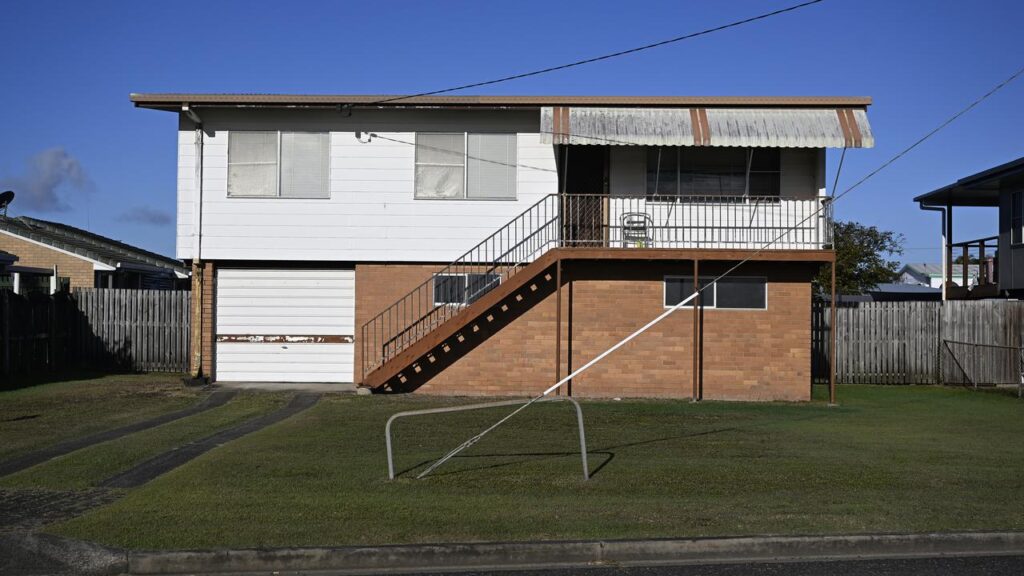
As Australian property prices slump nationwide, regional home owners can take solace that their assets have out-performed those in the big smoke over the past year.
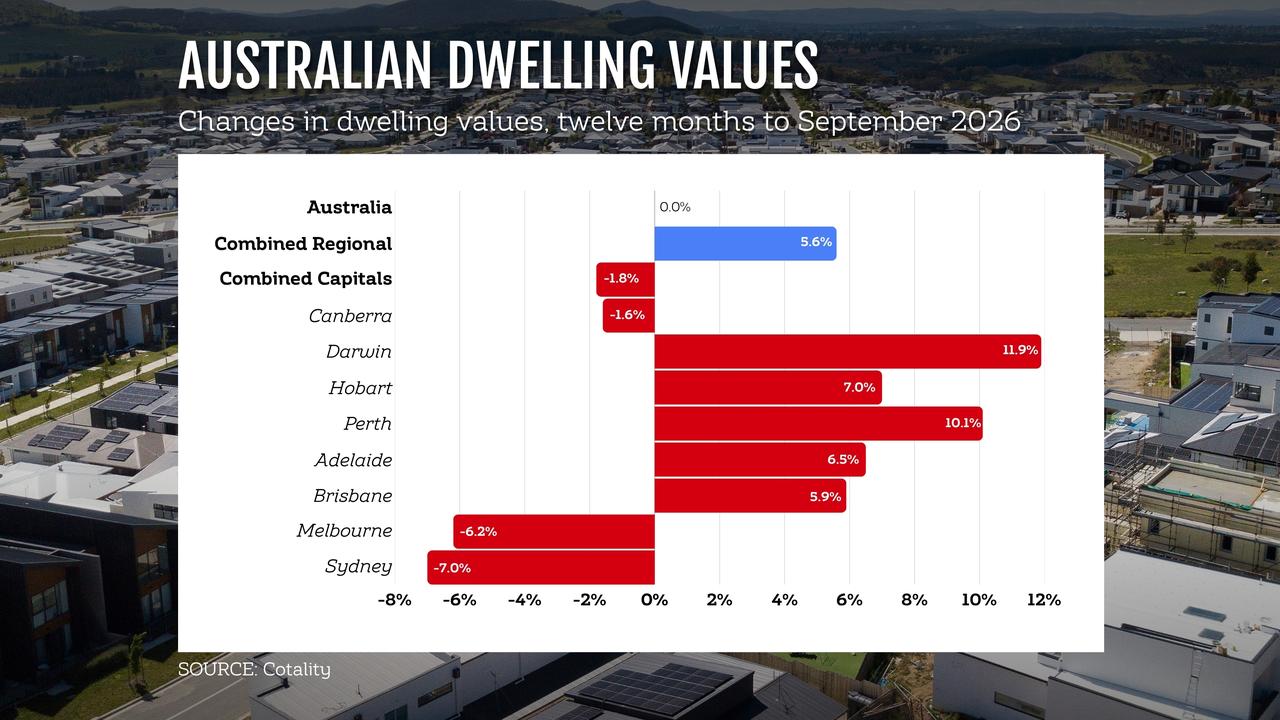
In the year to September, regional dwelling values gained 5.6 per cent, while those in the capital cities have declined 1.8 per cent, according to a Cotality report on Thursday.
Even though cities such as Perth and Darwin recorded average dwelling value increases exceeding 10 per cent in the period, the decline in east coast metropolises such as Sydney and Melbourne has brought the average for the capitals down.
The increase in regional-area house prices, albeit from a lower base, has kept the national average stationary in the period, despite the nationwide slump in recent months.
The last quarter proved particularly grim, with only a handful of regional areas and Darwin having sustained price growth.
Central to the continuing downward trend was the impact of sustained and possible future increases to interest rates, which meant buyers had considerably reduced borrowing capacity, according to Cotality research director Tim Lawless.
“They’re also weighing up higher repayments and the prospect of further price falls, which is making some reluctant to commit even if they can afford to buy,” Mr Lawless said.
Sellers are hesitant to list their property as they try to avoid being unable to sell, with more homes staying on the market for longer.
The amount of houses sold in September slumped 20.9 per cent compared to the same month in 2025, despite spring traditionally heralding a boost in market activity.
That slumped continued a nine-month trend of lower sales compared to the same period in 2025.
Again, the metropolitan market has been the main contributor to the decline, as the median property across the capital cities took nearly six weeks to sell.
Renters have also been slugged with rising rents of 5.5 per cent on average in the past year, with Darwin facing the biggest 12-month increase of nearly 12 per cent.
AMP chief economist Shane Oliver said market would likely only rebound once the Reserve Bank, which has implemented four interest rate hikes in 2026, looks certain to cut them.
“But that to me looks to be a fair way off,” he told AAP.
This latest update to the housing market comes after the Australian Property Institute warned prices could fall up to 11 per cent from their March peak and only rebound in late 2027.
AAP