Mediator to hold talks in Iran on US ‘economic D-Day’
Menna Alaa El-Din and Kanishka Singh |

Pakistan’s army chief has visited Tehran on a mediating mission as the United States prepares to roll out “the greatest financial offensive ever” targeting Iran’s trade partners.
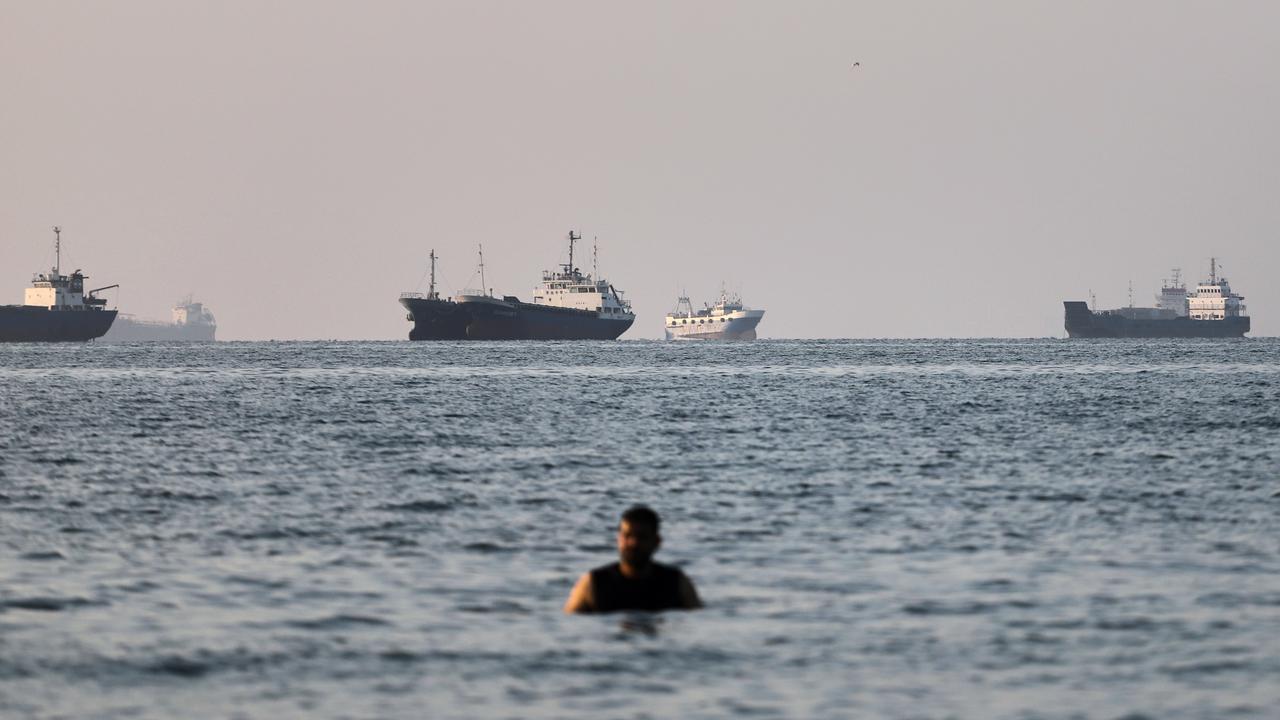
Iran dismissed the US threat, vowing to shut down all oil exports from the Gulf “if the economic war continues” and issued a new warning to shipping not to pass through the Strait of Hormuz without its permission.
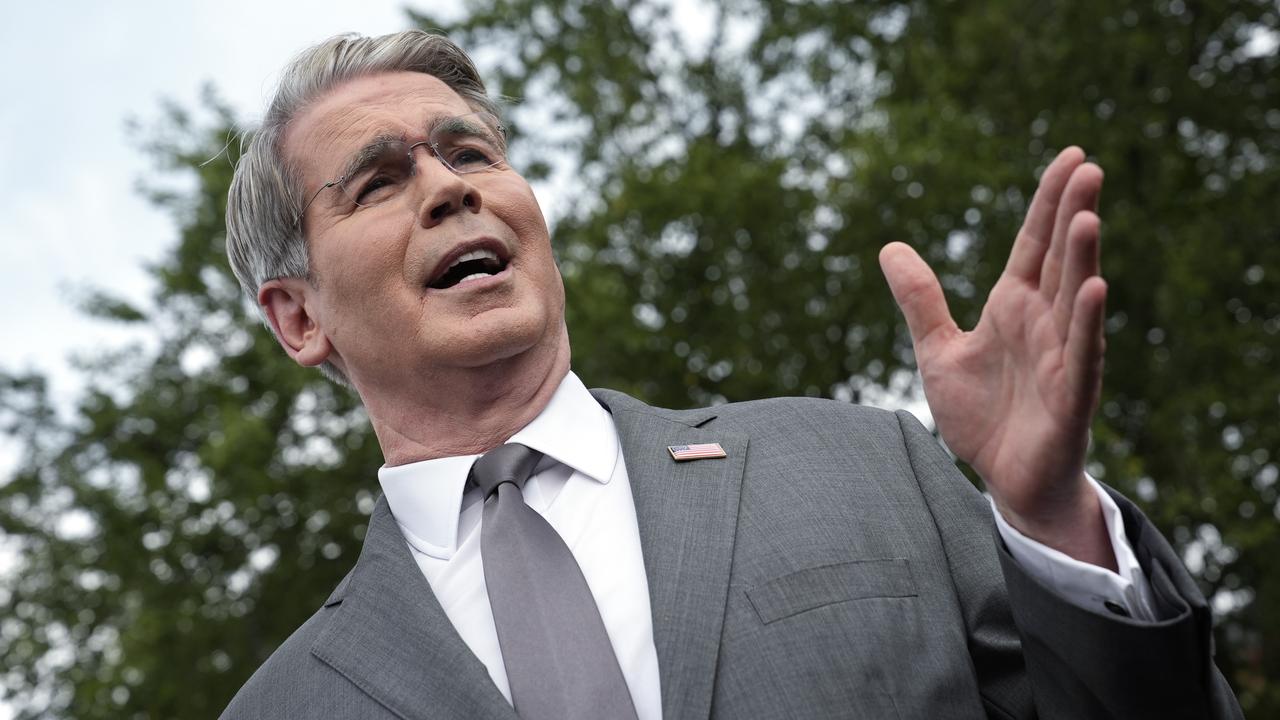
US Treasury Secretary Scott Bessent has promised to reveal severe measures on Iran, which has endured near-continuous economic sanctions since the Islamic Revolution of 1979, when he gives a media conference in Washington, DC, on Monday afternoon (3am on Tuesday AEST).
“At dawn begins an economic D-Day – the single greatest financial offensive ever marshalled against an adversary,” Bessent wrote in an opinion piece published in the Financial Times on Sunday.
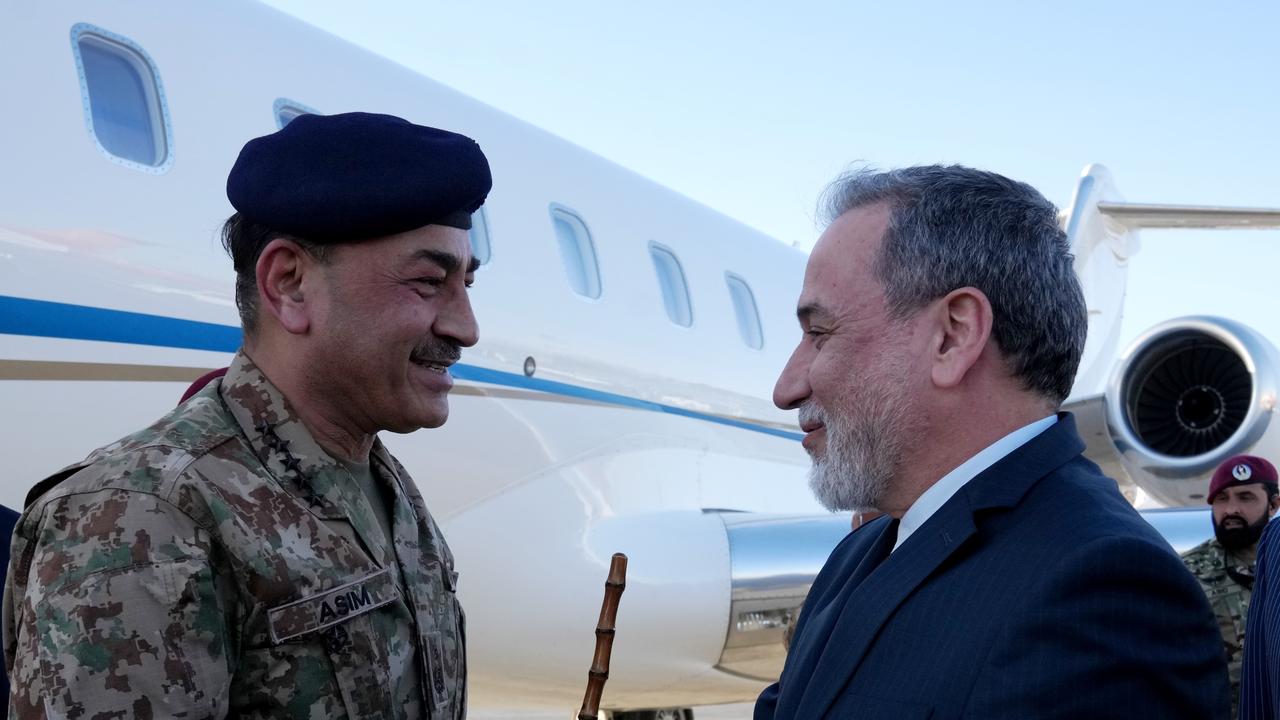
Pakistani army chief Asim Munir, who has built a personal rapport with US President Donald Trump, arrived in Iran for talks, Iranian media said.
Pakistan said the visit was part of its efforts “to promote regional peace and stability”, and a Pakistani source said Munir was expected to meet people close to Iran’s supreme leader.
Two Pakistani sources said Trump had called Munir last week, with another saying the main request was to bring Iran back to negotiations.
Tehran has said Oman’s foreign minister will visit on Tuesday to discuss the Strait of Hormuz.
The US and Iran have not conducted strikes against each other’s militaries for weeks, but their last official face-to-face talks to end the six-month-old conflict took place in June and strikes on vessels in the Strait of Hormuz have continued.
A projectile struck a tanker west of the Saudi port city of Yanbu in the Red Sea on Monday, causing a fire on the main deck, shipping monitors from the United Kingdom Maritime Trade Operations said.
Thousands of people have died, most of them in Iran and Lebanon, since the US and Israel began strikes on February 28, degrading much of Iran’s conventional military capacity and inflicting economic pain while killing Iran’s then-supreme leader Ayatollah Ali Khamenei.
But Iran has preserved enough missile and drone capability to attack its Gulf neighbours and threaten oil tankers in the Strait of Hormuz, bringing shipping in the key waterway to a near standstill and pressuring world fuel prices.
The exact state of Iran’s nuclear program, which the Americans and Israelis aim to wipe out, remains unknown.
Without detailing specific measures, Bessent signalled the US would target “fearful nations” that practise “appeasement” by engaging with Iran’s economy and financial system.
“They would do well to consider the consequences of sustaining it,” he wrote in the Financial Times.
Iran has been bracing for the sanctions for days, issuing a series of strongly worded statements hinting at a major military response.
Mohsen Rezaei, secretary of Iran’s Supreme National Security Council, on Sunday suggested economic retaliation.
“If the economic war continues, not a single drop of oil will be exported, neither through the Strait of Hormuz nor from anywhere in the Persian Gulf,” Rezaei wrote in a social media post.
“Iran will regard any country’s participation in or support for America’s economic war against the Iranian people as an act of war.”
Bessent previously urged China to co-operate with the US, noting China historically had received half of its oil imports from the Gulf region.
China’s foreign ministry said on Monday that sanctions and pressure tactics did not help resolve issues and that Beijing would do what was necessary to protect the country’s interests.
Iran’s economy was already under pressure from international sanctions before the US and Israeli attacks destroyed parts of its infrastructure.
Iran entered the war with high inflation, a weakening currency, energy shortages, sanctions and deep structural weaknesses, and must now contend with damaged infrastructure, disrupted trade, lost production and the cost of rebuilding.
Reuters