Power prices fall but risks remain for life after coal
Jennifer Dudley-Nicholson |
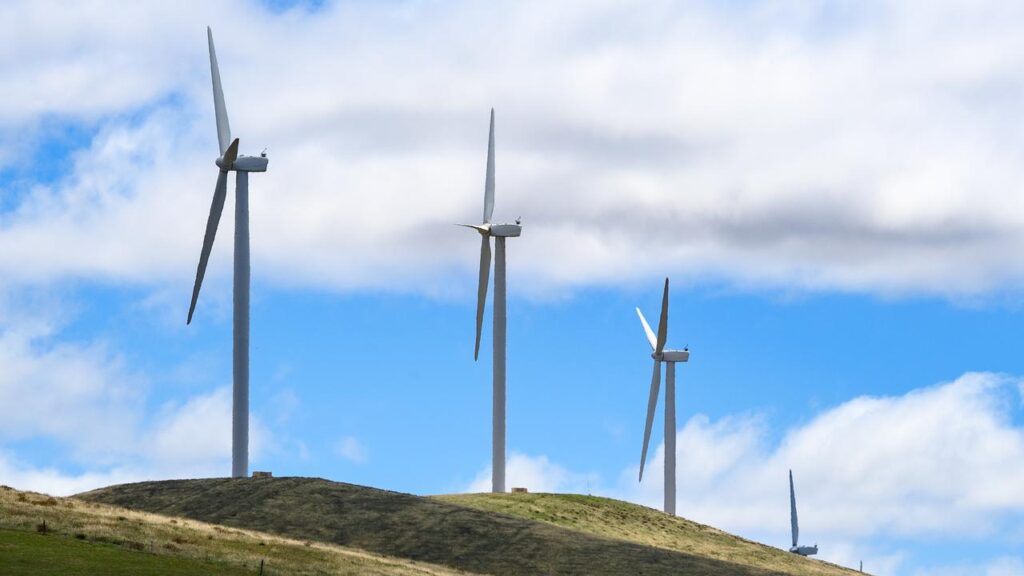
Solar, wind power and a battery boom are pushing wholesale power prices down across most Australian states, a report has found, even if households are yet to see the full benefit in their bills.
But overnight energy prices remain high in many regions, and could rise if new generation and storage projects do not arrive in time to replace closing coal plants.
The Australian Energy Regulator issued the findings from its annual electricity market report on Thursday, which recommended changes for both consumers and the government to keep power prices down.
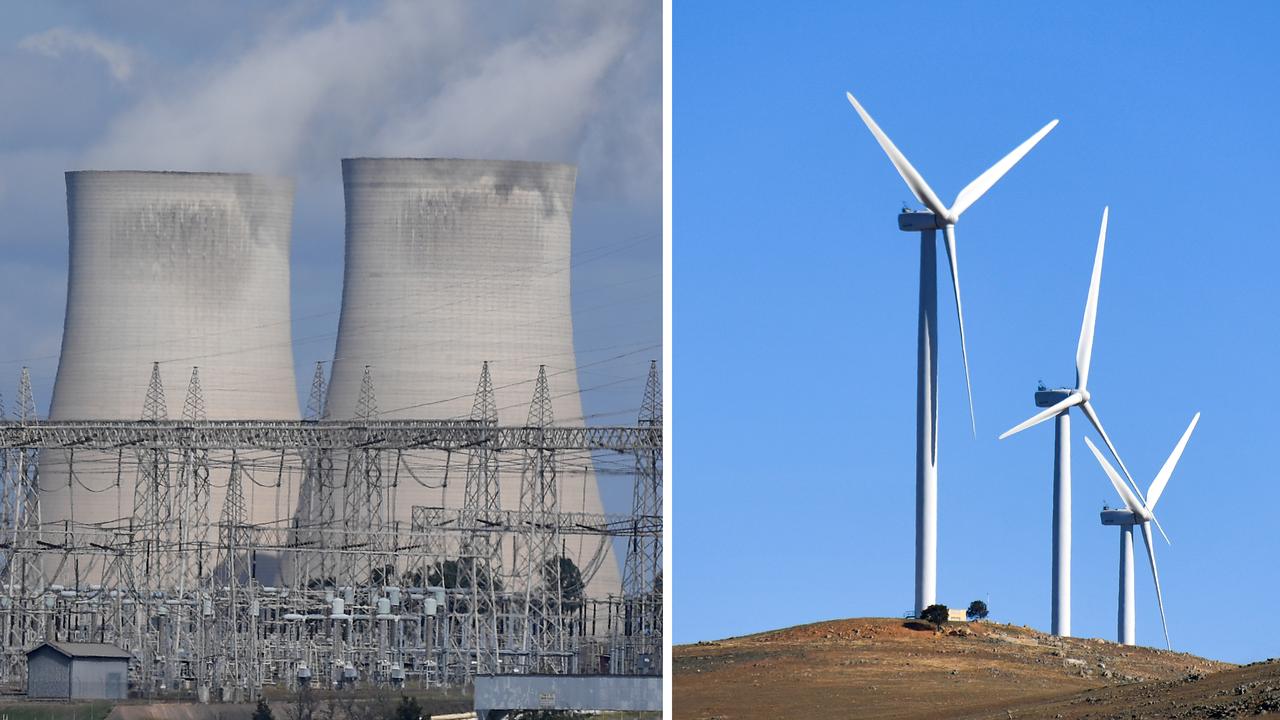
The report follows record-breaking adoption of rooftop solar and household batteries in Australia, and after the CSIRO’s GenCost report predicted renewable energy projects would continue to lower power prices until 2030.
The regulator’s Wholesale Electricity Market Performance Report 2026 analysed information from the Australian Energy Market Operator, the CSIRO, Australian Securities Exchange and power companies to assess the state of the National Electricity Market.
It found wholesale power prices had fallen across all five states covered by the market in 2025 compared to 2024, with the biggest falls in Queensland (down $32.73 per megawatt hour), NSW (down $31.66) and South Australia (down $18.59).
Energy prices remained higher than 2021 during the evening peak and overnight periods, however, in all states but Queensland.
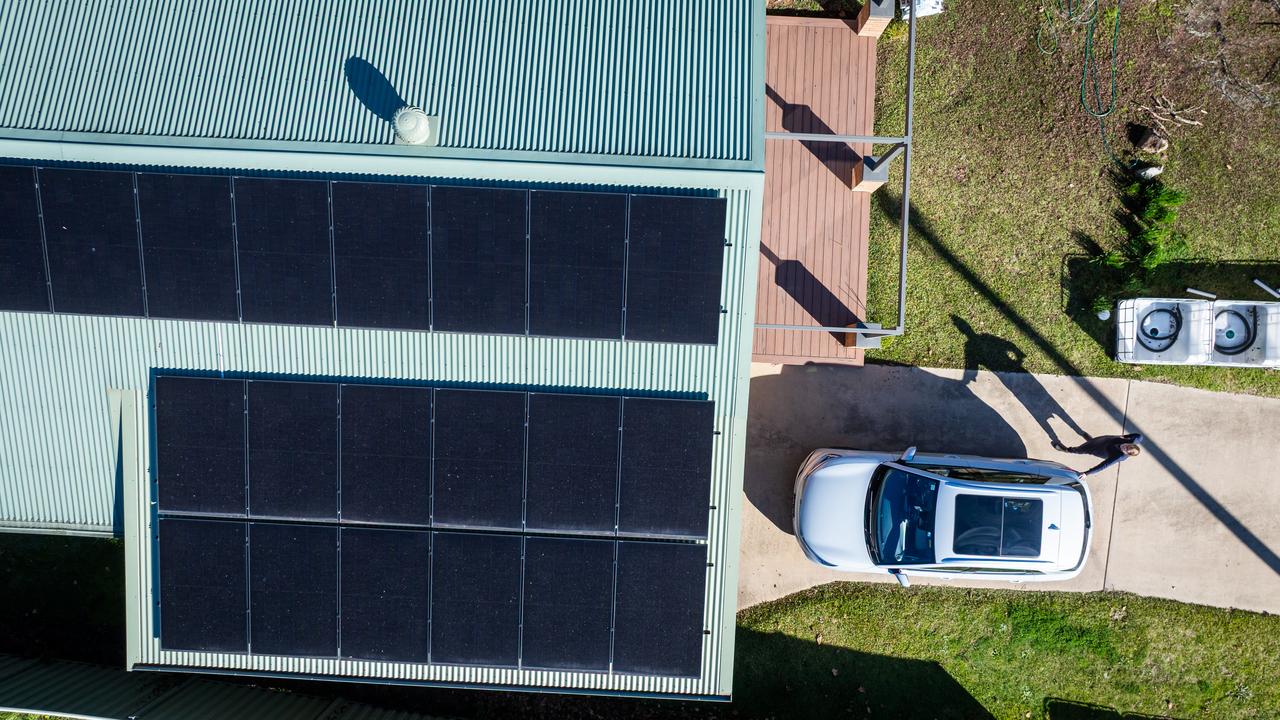
A growing supply of wind and solar energy helped bring down prices, the report found, along with battery capacity that almost tripled during the year, from 2.2 to 6.1 gigawatts.
The additional storage helped reduce demand during peak periods, Australian Energy Regulator board member Jarrod Ball said.
“Batteries are increasingly shaping wholesale prices and strengthening competition during evening peaks when demand remains high and solar output is lower,” he said.
“This is a significant shift but batteries alone will not resolve every pressure in the market.”
Consumers should reduce costs further by shifting energy use from overnight periods into solar-rich daytime hours, the report said, including running hot water systems and pool pumps, and charging electric vehicles.
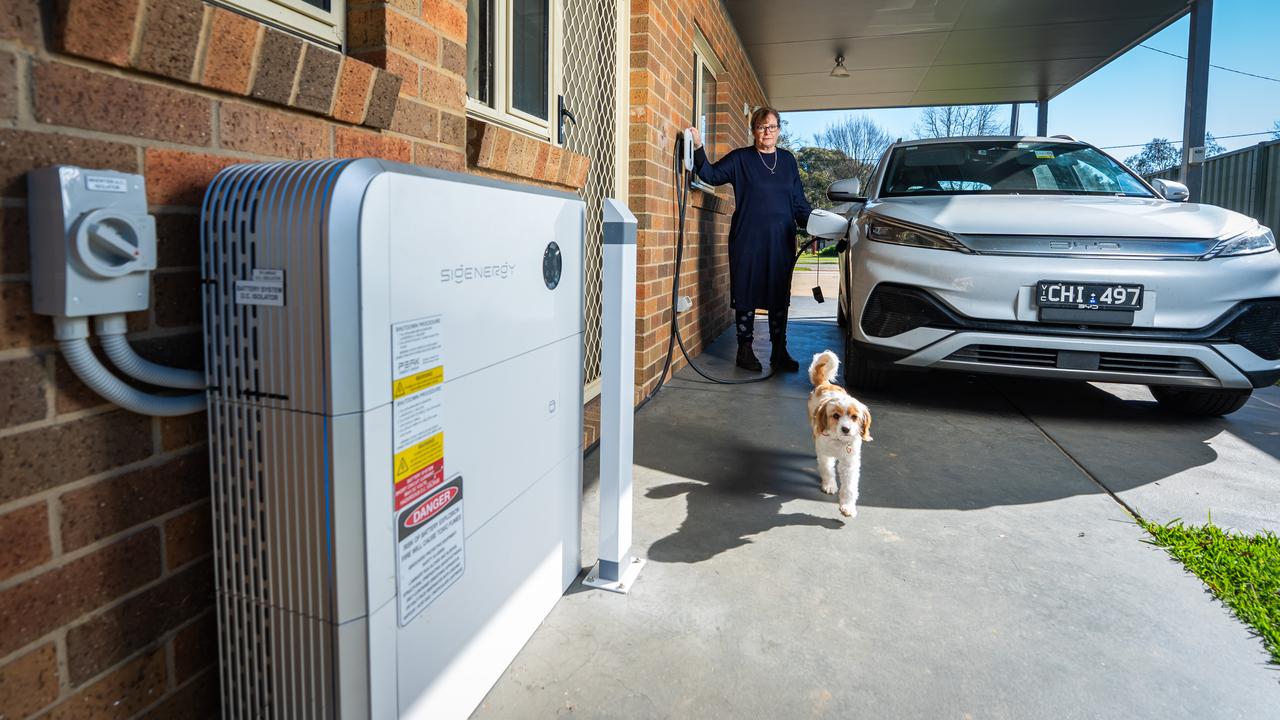
Changing behaviour could also cut consumers’ costs immediately, Mr Ball said, while retail prices could take more time to fall.
“Those wholesale market outcomes do matter for households and small businesses but changes in wholesale prices do not flow through to retail bills immediately or dollar-for-dollar,” he said.
Wholesale power prices could rise again if renewable energy projects were not ready to replace coal-fired power generation in time, the report warned, as more thermal capacity was scheduled to exit the market in the next 10 months than in the past 10 years.
It recommended the federal government prioritise investments in mature renewable energy projects with clear delivery deadlines to avoid shortfalls.
AAP