Sweeping NDIS changes get the green light
Jacob Shteyman and Lucinda Garbutt-Young |

Dozens of eleventh-hour amendments to a controversial bill designed to claw back runaway disability spending have passed the upper house despite outcry from advocates.
Labor has been touting changes to the National Disability Insurance Scheme, including sweeping new powers for the relevant minister and a cut in social funding, since April in a bid to save $37.8 billion by the end of the decade.
The changes passed the Senate on Tuesday night, with 28 in favour and 12 against.
But just hours before a final vote on the bill was due to take place, the government unveiled 63 changes in response to community concern.

Under one change, severely disabled Australians who require constant care will be able to appeal decisions made by the NDIS minister that affect their funding.
Participants can request a variation to their plan for specific sections, including assistance with daily living.
Community and social participation funding, which is set to be slashed despite its role in helping disabled people access friends, appointments and work, will remain ineligible for appeal.
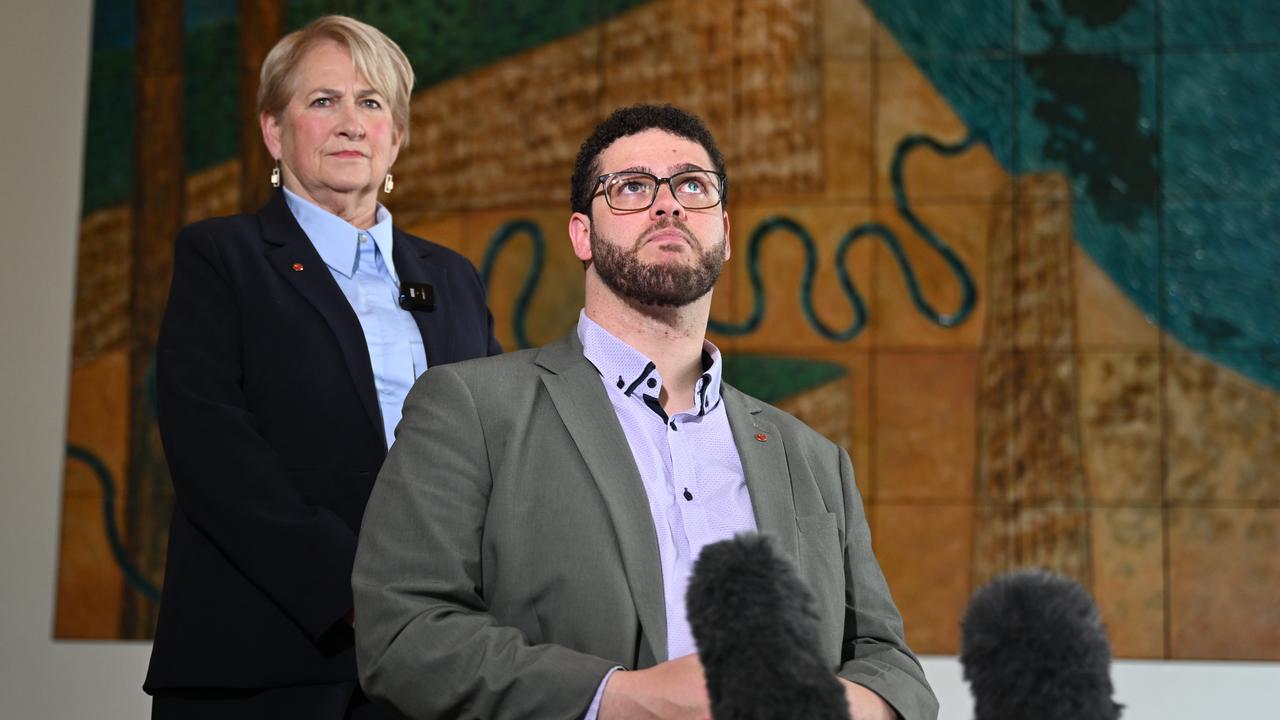
The changes to the scheme would take away a lifeline for thousands of Australians, Greens disability spokesperson Jordon Steele-John said.
“Labor and the Liberals got together in a room, and they decided to strip us of our rights, regardless of our safety and dignity,” said Senator Steele-John, who lives with a disability.
Increased penalties for NDIS providers benefiting from kickbacks have been included in the changes, along with specific whistleblower protections.
“There will be tough new aggravated integrity offences, including obtaining funds by deception, providing false or misleading information for abuse of position as a participant’s nominee, or for intentionally destroying records,” NDIS Minister Jenny McAllister told reporters before the amendments were voted on.
The changes passed the upper house on Tuesday night with little debate, following a deal struck with the coalition for the removal of a so-called widow tax hidden in the federal government’s budget reforms.
In exchange for closing the loophole, which would have caused divorcees and widows to lose negative gearing entitlements on investment properties, the opposition will support Labor’s bill.
The conflation of the previously unrelated topics rendered disabled people a political football, Senator Steele-John said.
Treasurer Jim Chalmers had announced Labor’s plans to close the loophole weeks earlier, but the government was not planning to introduce it to parliament until later in 2026, with consultation on the draft bill not due to end until Friday.
With the NDIS laws marooned in the Senate, the government’s promised budget savings were eroding each day the package was not passed.
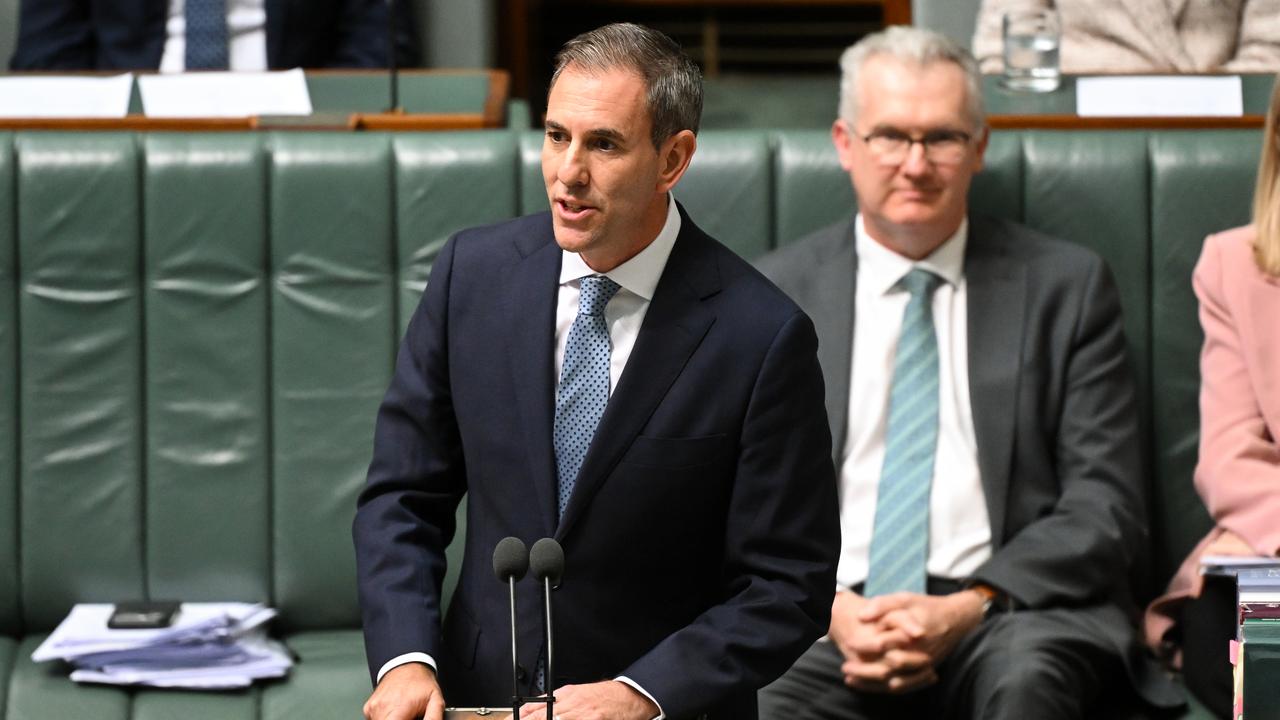
Dr Chalmers initially claimed there was no rush to pass the tranche two reforms because the changes only applied from July 2027.
But pressure ramped up on Labor to move faster on the widow tax fix after independent senator David Pocock revealed he had been contacted by a domestic violence victim who claimed she had been denied financing on a property because of the loophole.
The tax reforms grandfathered negative gearing and capital gains tax concessions for investors who held property before budget night, including for landlords who jointly owned a property with a spouse.
However, if their marriage broke down or their spouse died, they would lose their negative gearing entitlements when the title transferred to their name, under the initial legislation implementing the reforms.
AAP