Treasurer tips housing growth despite investor slump
Jacob Shteyman |

New investor home loans have plummeted since the May budget, but Treasurer Jim Chalmers insists house prices will continue to grow over the next two years.
Commonwealth Bank was the latest lender to reveal data confirming the impact of the government’s curbs to negative gearing and capital gains tax concessions has hit their mortgage book.
Since budget day, loan application volumes have fallen 15 per cent, with investor lending sinking 28 per cent, Australia’s largest lender revealed on Wednesday.
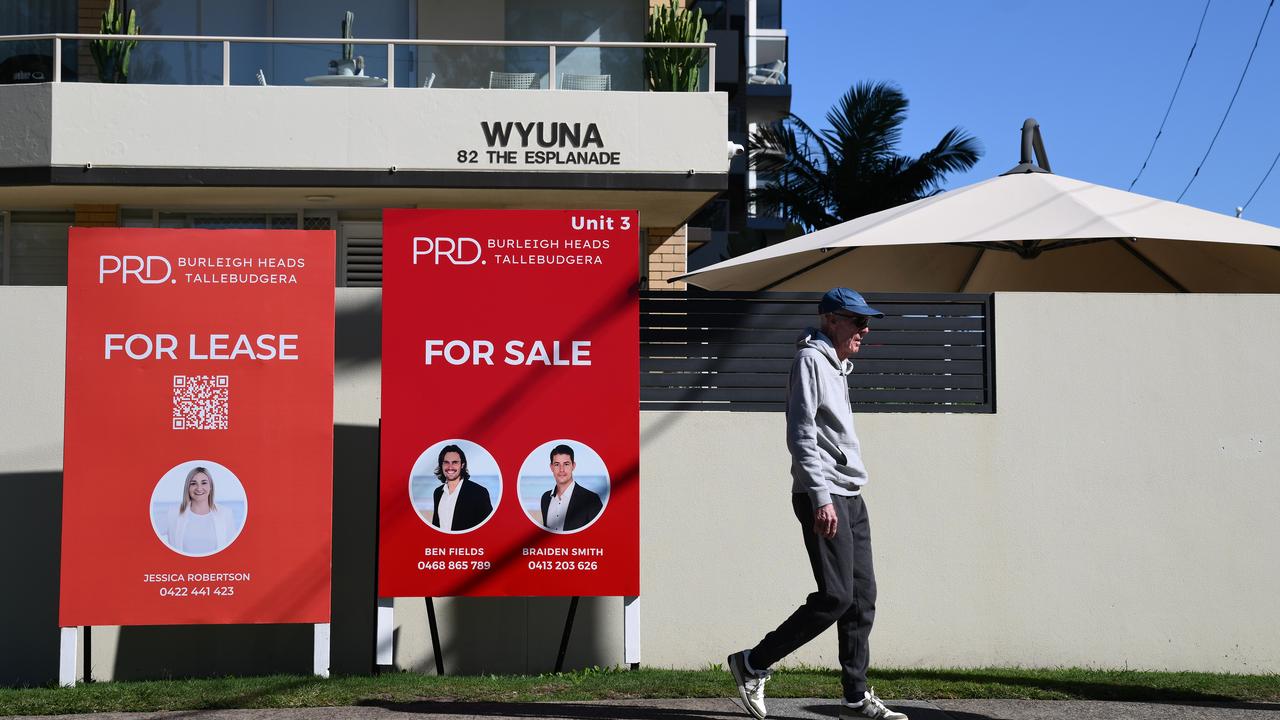
It follows Westpac reporting a similar plunge in mortgage applications on Monday and Reserve Bank figures showing the share of new home loans to investors has also fallen.
Hidden in the RBA’s Statement on Monetary Policy on Tuesday was a graph previewing the Australian Bureau of Statistics lending figures for the June quarter, which are not due to be released until Friday.
This showed one of the sharper falls in the investor share of home loans in the past two decades, NAB head of Australian economics Gareth Spence said.
While the RBA left interest rates on hold, its three hikes so far in 2026 plus the impact of the government’s tax changes have left a bigger dent in buyer sentiment than expected.
Forecasters at ANZ Bank on Tuesday doubled their expectations of how deep the downturn will go in 2026, expecting a peak-to-trough fall in capital city prices of more than 10 per cent.
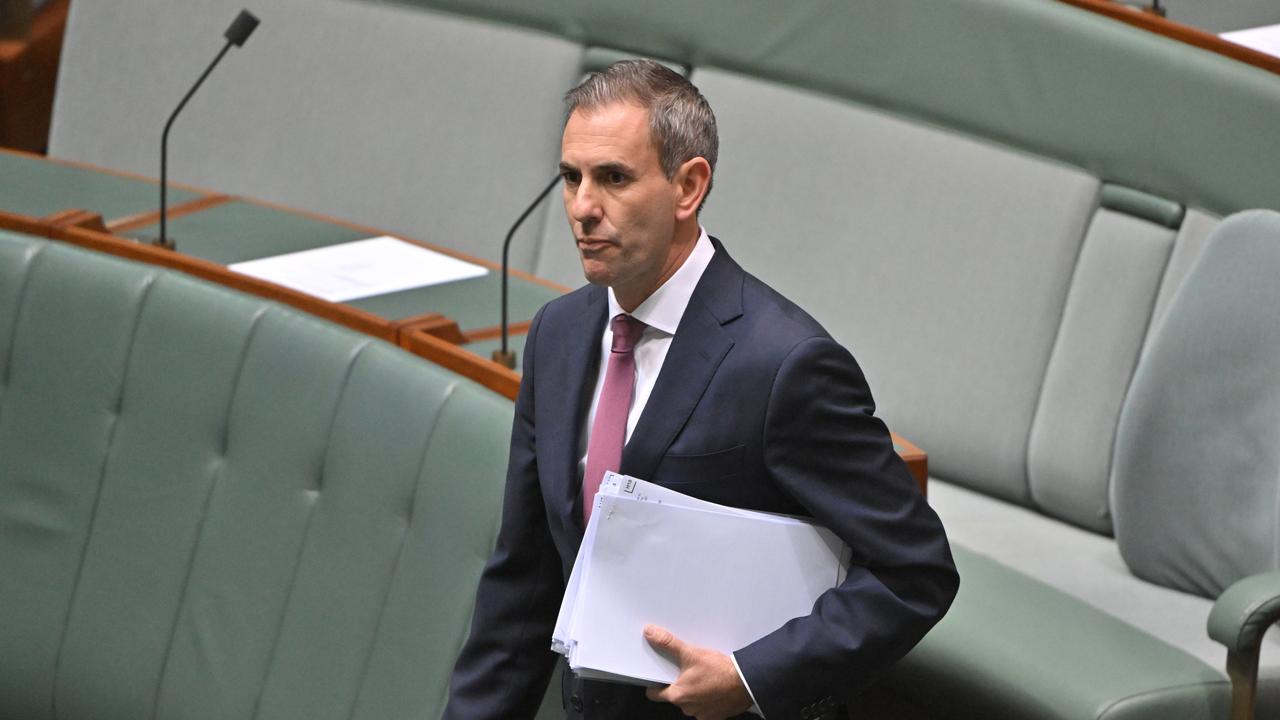
But Dr Chalmers stuck to Treasury forecasts that house prices would continue to grow over the next two years, albeit at a slower rate as a result of the tax changes.
“Housing is a long‑term investment,” he told ABC Radio National.
“People don’t make decisions on housing from week to week.
“They make decisions on investing in housing over a longer period, and over a long period now we’ve seen house price growth and we expect to see more modest growth over the course of the next couple of years.”
While the fall in lending was bad news for Commonwealth Bank revenue, chief executive Matt Comyn said it was good for Australia if more money was being invested in supporting businesses to grow rather going into the housing market.
Growing the productive capacity of the economy is needed to get Australia out of its low-growth malaise.
Because of Australia’s feeble productivity growth in recent decades, its economy could not grow more than two per cent a year without pushing up inflation, RBA governor Michele Bullock reiterated on Tuesday.
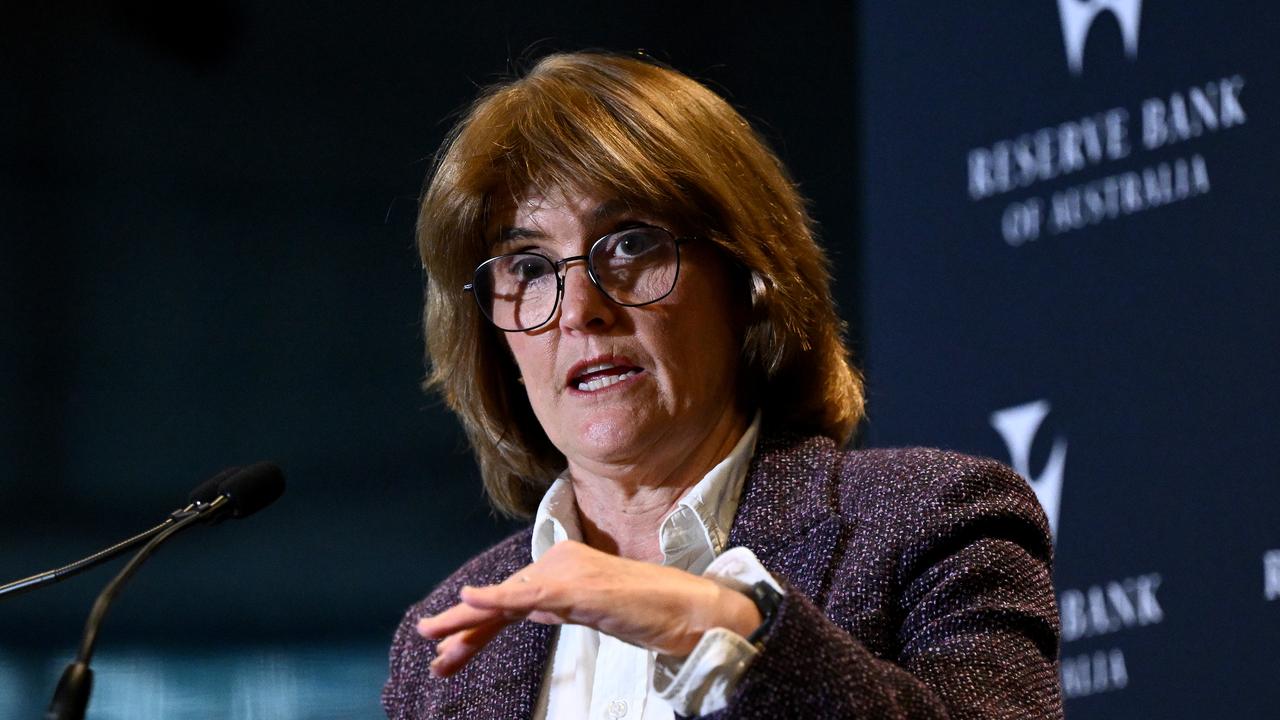
In its latest set of macroeconomic forecasts, the RBA downgraded its labour productivity expectation for 2026 from 0.2 per cent growth to a fall of 0.5 per cent.
It came nearly a year to the day after the bank slashed its medium-term productivity from one per cent to 0.7 per cent.
“Productivity outcomes have been weak for some time, and continued weakness will constrain the economy’s ability to grow without generating high inflation,” Ms Bullock told reporters.
“We expect that a period of subdued growth in the economy will be required to bring inflation down sustainably.”
AMP chief economist Shane Oliver said the federal government could have helped the RBA in the budget by cutting spending to free up capacity in the economy and doing more to help boost productivity.
Opposition housing spokesman Andrew Bragg promised to reverse Labor’s cuts to property investor tax breaks, denying that would push up house prices.
“No one’s buying anything in Australia, and no wonder because everyone feels like we’re living in a communist state,” he told the National Press Club in Canberra.
“But we want to get supply moving.”
AAP