Deposits in the egg and sperm bank to safeguard koalas
Samantha Lock |
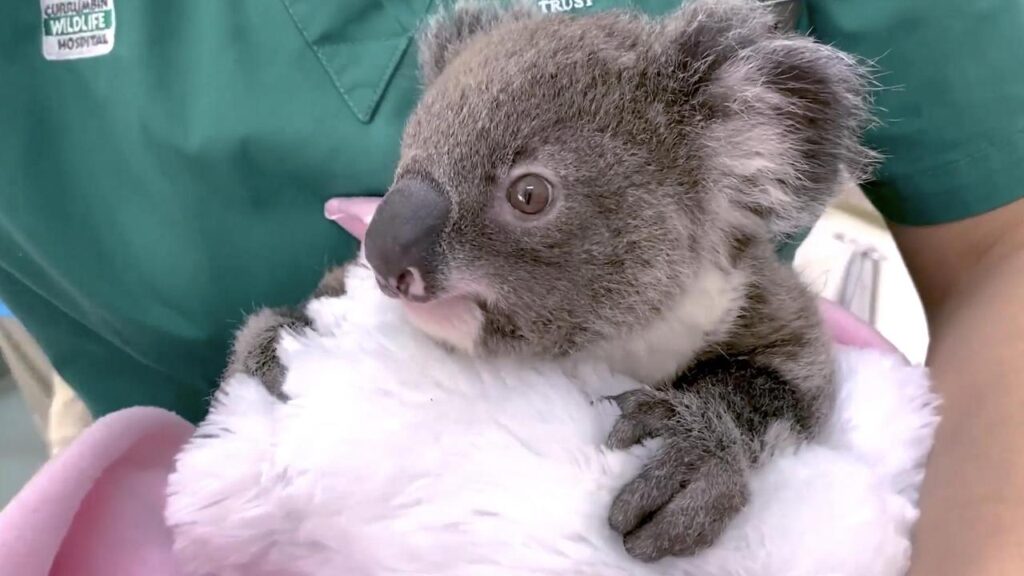
The best hope for the notoriously lazy and reproductively uninclined koala may lie in a specially designed sperm bank.
The beloved Aussie marsupial is increasingly vulnerable to population pressure, habitat loss and disease.
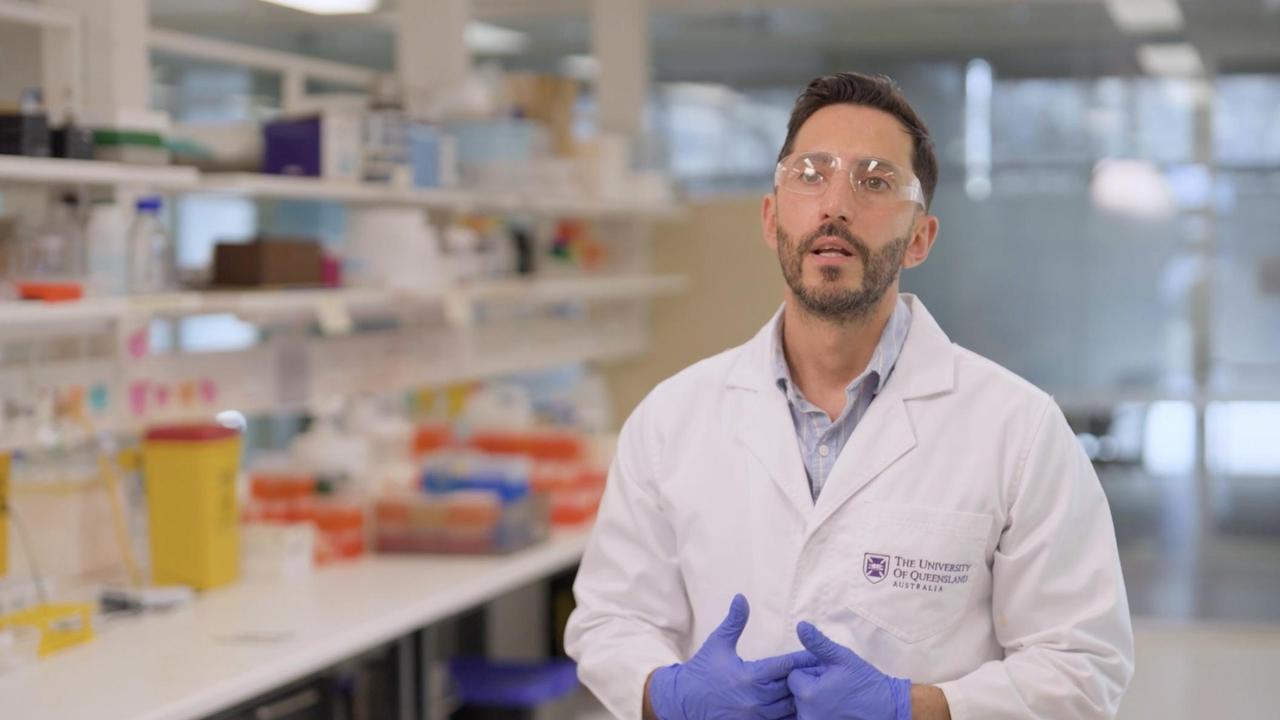
Reproductive biologist Andres Gambini, at the University of Queensland, is working to establish the first coordinated sperm and egg bank for the state’s koalas.
Or a ‘frozen zoo’ as he puts it.
The project will be a vital genetic safety net for the species and an important step in supporting future conservation programs.
“What we are setting up is a frozen bank for eggs and sperm in koalas,” Dr Gambini told AAP.
“Koalas have a unique reproductive biology … normally the female produces only one joey a year and that joey will be completely dependent on the mum for at least a year.”
“Their unique reproductive biology makes them more vulnerable to environmental challenges.”
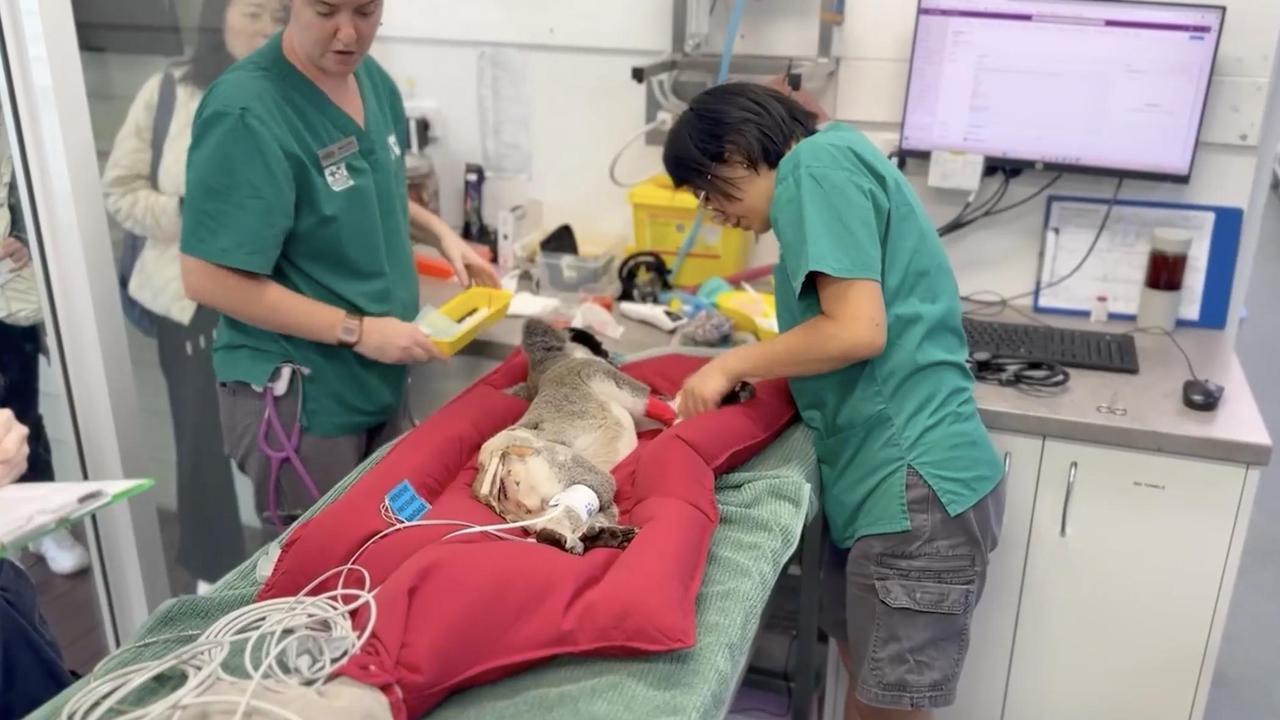
Every year, hundreds of koalas are admitted to wildlife hospitals because of illness, injury or domestic animal attack.
“Sadly, not all of them survive,” Dr Gambini said.
“At the moment, their valuable genetics are lost forever.”
The population of koalas is slowly declining and losing genetic diversity can weaken future generations and decrease the ability of the species to adapt to challenges.
The koala bank will not replace existing conservation actions, instead adding an important new tool to protect the species.
“Koalas need habitat protection, disease management and strong population monitoring,” Dr Gambini said.
“But they also need a genetic backup system, and this sperm and egg bank can help preserve diversity while reproductive technologies continue to improve.”
The reproductive biologist said it would be too late to wait until koala populations are smaller and genetic diversity is harder to recover.
“By preserving sperm and eggs today, we are giving future conservation programs more options to protect koalas tomorrow,” he said.
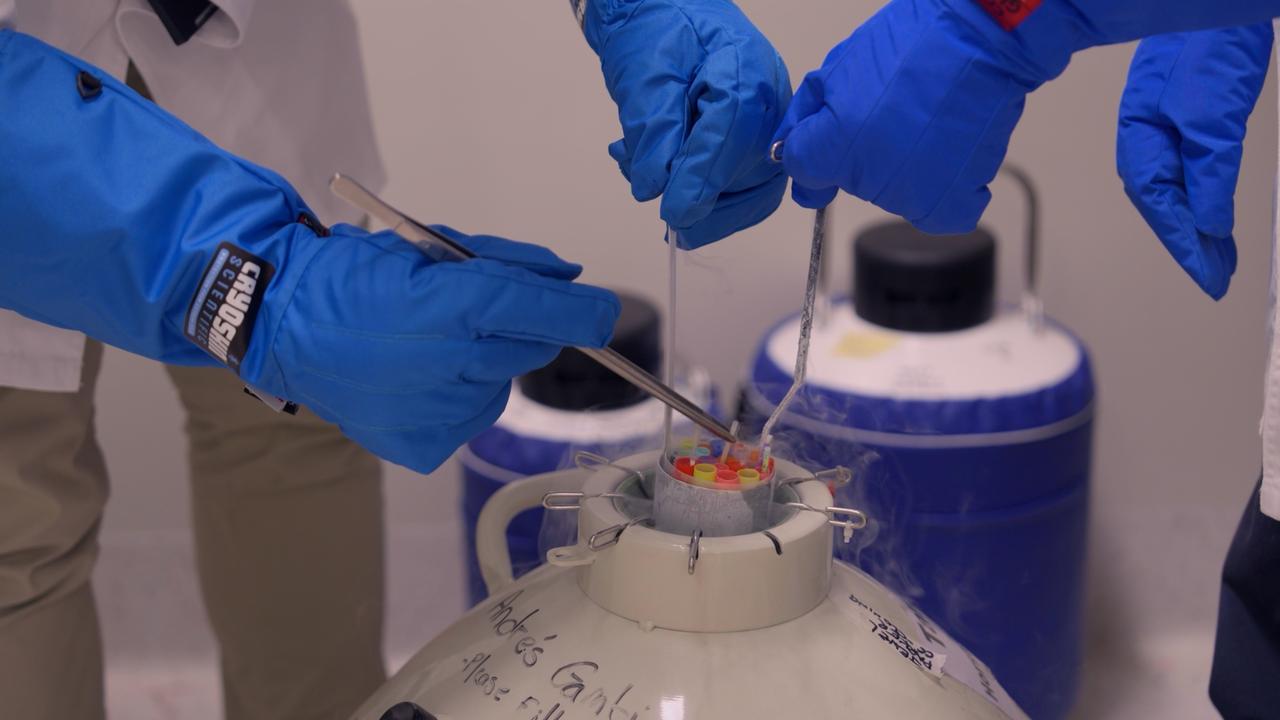
Wildlife reproduction specialist Steve Johnston said the bank of reproductive cells will be stored in liquid nitrogen cylinders.
“We will work with wildlife hospitals to harvest sperm and eggs from koalas that have died or can no longer breed because of trauma or disease,” Dr Johnston said.
Samples will be screened for genetic value and tested for Chlamydia with technology available to remove the infection.
“In the future this material may be crucial to reintroduce genetics back into the population through artificial insemination or IVF embryos,” Dr Johnston said.
AAP