Fuel crisis drives Aussies to rethink how they travel
Allanah Sciberras |
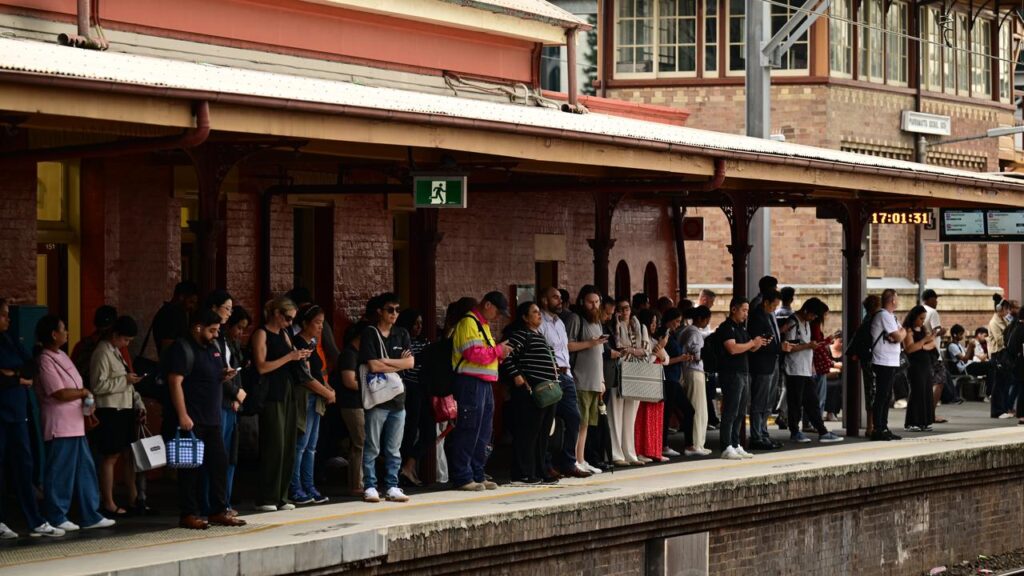
Adam Bratt couldn’t help but feel stressed about his finances after seeing fuel prices skyrocket.
It reached breaking point this week for the Melbourne charity shop manager, who opted to abandon his car and rely on public transport for his daily commute to work.
He’s far from alone.
Many Australians are changing their travel habits, reporting similar shifts in their commutes, turning to walking or cycling or cutting back on travel altogether.

“Filling a tank of petrol has become a lot more painful all of a sudden,” Mr Bratt told AAP.
He now walks from his home, catches two trains and walks again to his workplace, adding at least an hour to his commute.
“I don’t intend to get rid of my car, but for commuting, it’s part of overall cost-cutting,” he said.
“Cost of living was a problem before the fuel crisis, but the fuel’s certainly not helping.”
More people would alter their travel behaviour if fuel prices continued to rise, University of Sydney transport expert Geoffrey Clifton told AAP.
“We will start to see a prolonged shift in how people travel and we’ll see more people moving into public transport and leaving their cars at home, or doing things like downsizing their vehicle,” he said.

The US-Israeli war on Iran has triggered a global energy shock, sending oil prices soaring and driving a sharp rise in fuel costs.
It has also reignited discussions around fuel rationing, last implemented during the 1979 oil crisis when supply disruptions caused prices to surge and led to widespread shortages and higher petrol costs.
“That definitely led people to shift away from driving and also to buy smaller cars, so the very big classic family size cars gave way to more modern, smaller cars,” Dr Clifton said.
University student Ebony May decided this week to complete her studies from home rather than travelling to campus.
“It’s just a bit expensive, and then parking on top of that,” she told AAP.
“It is a shame because I do really enjoy going into campus, but sometimes you just think, I can’t really justify it.”

The 22-year-old business student believes many of her peers are struggling with the sudden surge in prices, although early trends across Australian cities indicate there are no major shifts in transport habits.
In Victoria, there has been a slight decline in usage across the Greater Melbourne declared road network, with midweek travel between March 9 and 20 down by one per cent.
There was a slight rise in Myki tap-ons across the city’s public transport network during the third week of March compared to the week prior.
Commuter numbers on Queensland’s public transport system, which has 50-cent fares, have risen by five per cent since March 1.
People are also turning to alternative options, including e-bike and e-scooter provider Lime, which reported a 10 per cent increase in trips in Sydney from the first week of March to the second.

Zaur Tomaev owns Port Melbourne Cycles and told AAP he had seen a slight uptick in bike sales in the past week.
The end of March is usually a quiet period for the shop, he said.
“I think if fuel prices will (keep) going up, many more people will start to commute and ride bikes instead.”
AAP