‘No surrender’: UN urges action as 1.5C goal slips away
Jennifer Dudley-Nicholson |

Global warming is on track to hit 2.8C by the end of the century, the United Nations has warned, fuelling more frequent and intense climate disasters such as heatwaves, bushfires and floods.
But world leaders could limit risks by taking urgent action, researchers say, such as cutting emissions by almost six per cent a year and slashing the use of coal, oil and gas.
The United Nations issued the warning in a 110-page report on Wednesday that also found global warming projections had worsened since the US withdrew from the Paris Agreement and the most optimistic warming forecast had risen to 2.1C.
The findings come weeks after the UN warned the world would overshoot its 1.5C warming target, and before leaders gather in Antalya, Turkey to discuss future climate targets at COP31.
The United Nations Environment Programme study, called the Emissions Gap Report 2026: The Point of Return, modelled the lowest possible global warming pathway.
In the scenario, global warming would peak in the middle of the century at 1.7 to 1.8C, with a 50 per cent chance of returning to 1.5C by 2100.
But to meet this goal, nations must cut greenhouse gas emissions by 18 per cent by 2030, 45 per cent by 2035, and 69 per cent by 2040 compared with 2025 levels.
Meeting the target would also require more renewable energy, the removal and storage of carbon dioxide, and significant cuts to coal, oil and gas.
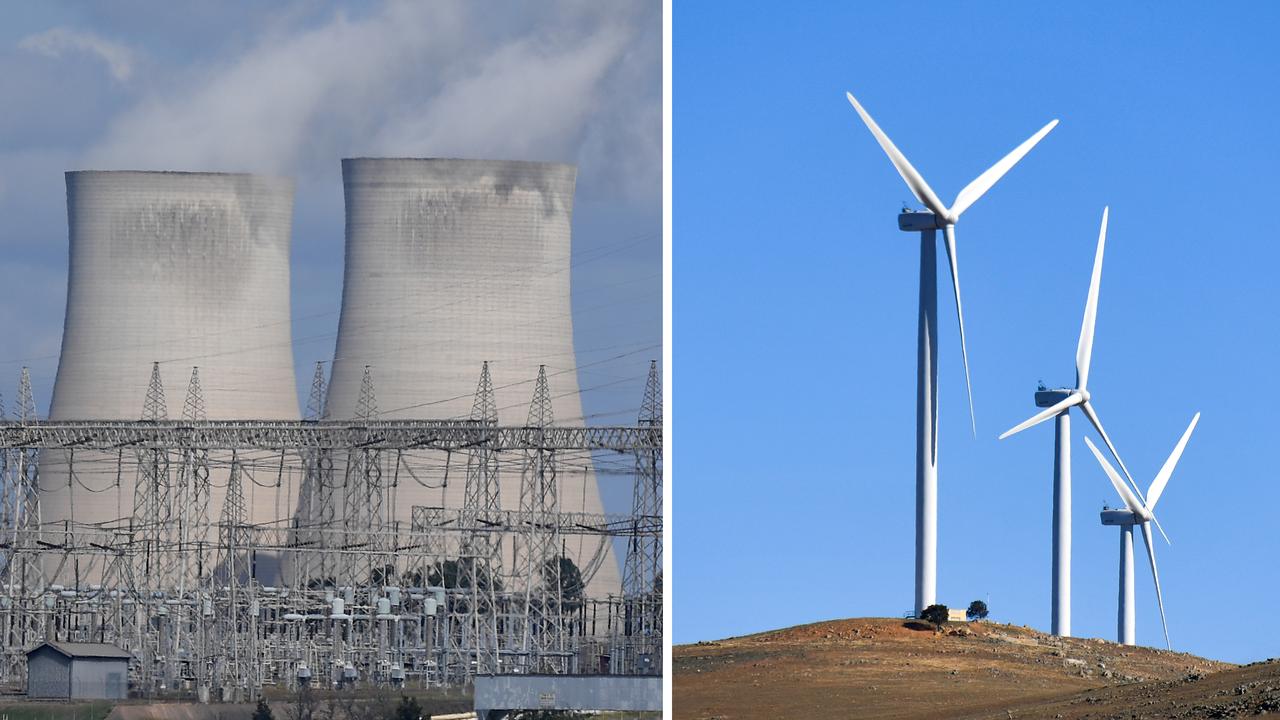
Energy generation from coal would need to fall by 75 per cent in 2035, the report said, and its use would need to be effectively phased out by 2040.
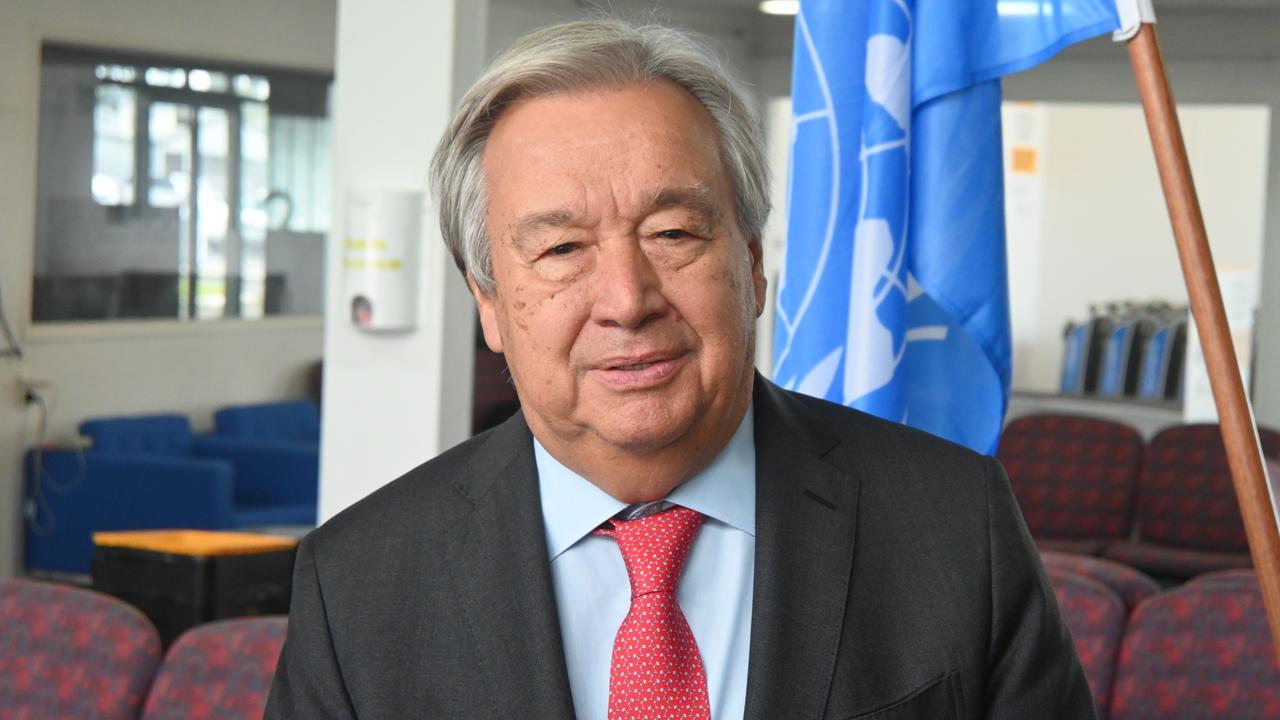
Changes outlined in the report were achievable and could reduce the risk of climate disasters, United Nations Secretary-General Antonio Guterres said.
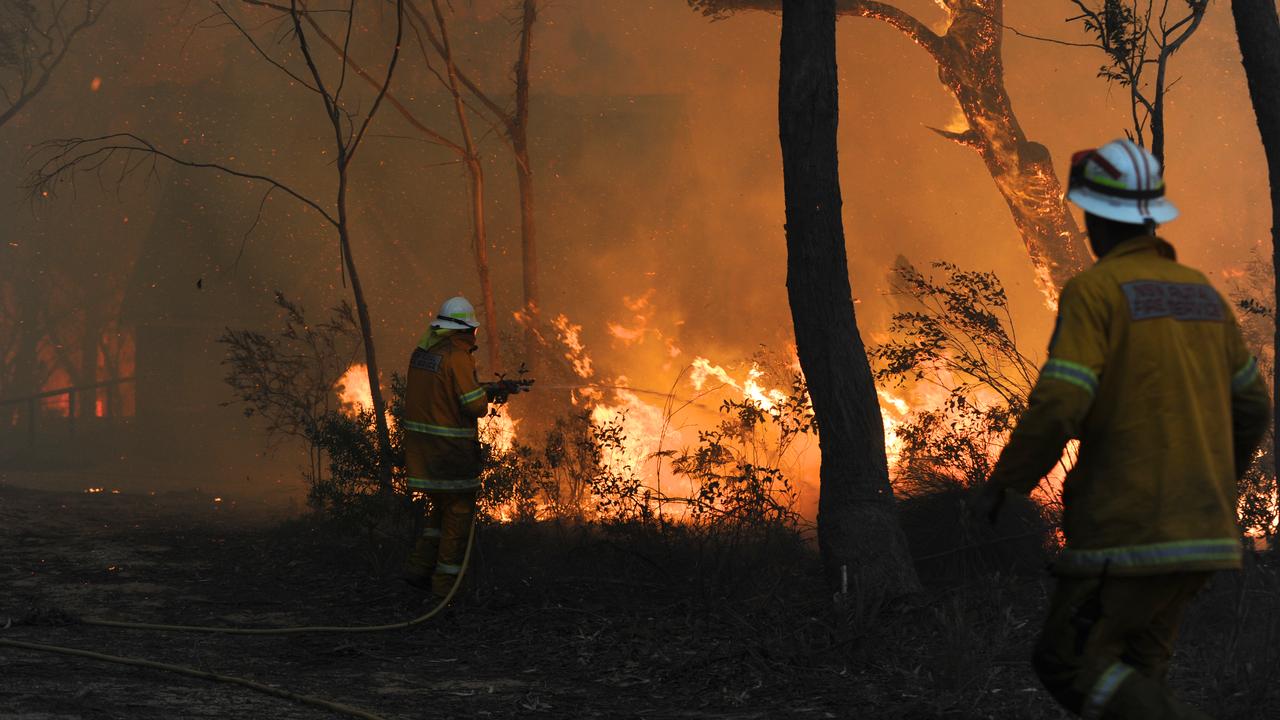
“The world can no longer avoid overshooting the 1.5 degree limit, and the consequences are already devastating: deadly floods, brutal heatwaves, raging wildfires, lost lives, crippled economies, deepening inequalities,” he said.
“But overshoot is not surrender. We can still keep it as small and as short as possible, and bring temperatures back below 1.5 degrees before the end of the century.”
Under current policies, the world would reach 2.8C of warming by 2100, but the figure could be limited to 2.1C if all nations met their climate and net-zero targets.
The projected warming level had risen since the 2025 report due to updated emissions estimates and America’s decision to withdraw from the Paris Agreement.
Failing to act on the report’s recommendations risked more heatwaves and wildfires like those seen in Europe, United Nations Environment Programme executive director Inger Andersen said.
“Nations must understand that their point of return begins now, not later,” she said.
“That means fast and deep and sustained emissions reductions.”
The report also found Australia was unlikely to meet its 2030 emissions target despite achieving sustained reductions.
AAP