Soft landing botched: IMF backs more rate rises
Jacob Shteyman |
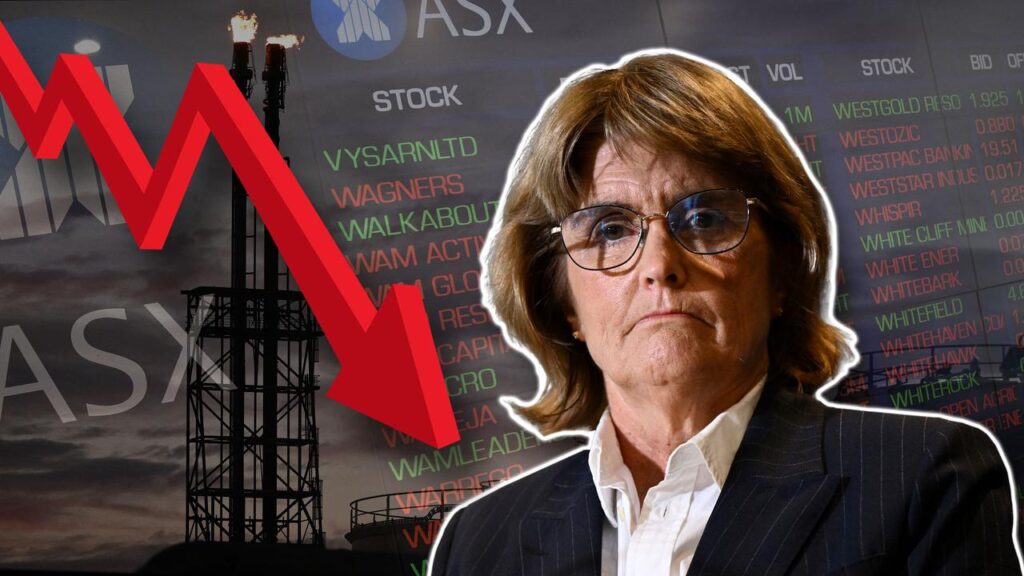
A global financial body has given the Reserve Bank the green light to hike interest rates and urged Treasurer Jim Chalmers to be bolder on tax reform.
With a break-out in price growth hitting Australians’ living standards, returning inflation to target in the near term should be top priority, the International Monetary Fund said in its latest report on the nation’s economy on Thursday.
The “soft landing” the IMF identified in its last mission to Australia in February had hit with a thud, thanks in part to weak productivity growth and the Middle East conflict.
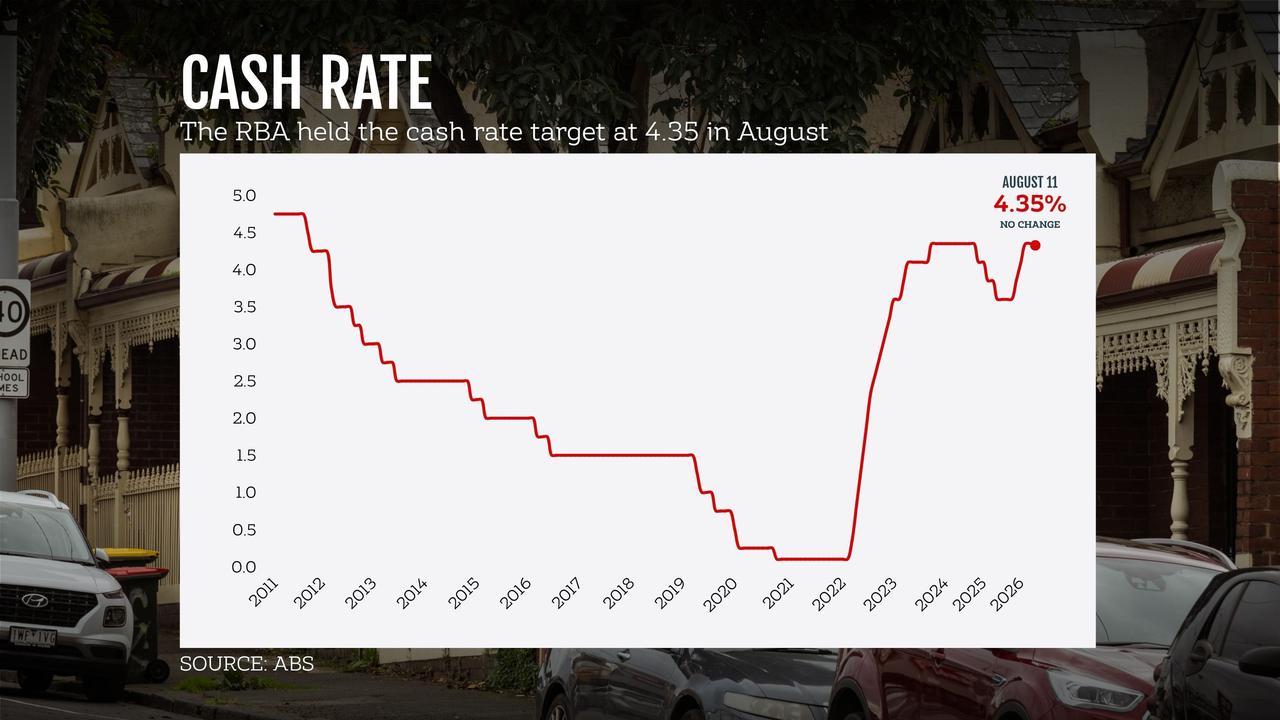
The IMF projected the growth rate of Australia’s economy would slow to 1.9 per cent in 2026 and 1.6 per cent in 2027, following three RBA rate hikes so far.
Rising oil prices, hotter-than-anticipated July inflation figures and hawkish commentary from the bank’s top brass in recent weeks has raised expectations the RBA would follow the Federal Reserve in hiking rates at its September meeting.
“Given persistent underlying inflation pressures and large uncertainty around whether financial conditions are sufficiently restrictive, the RBA should stand ready to hike rates as needed,” the IMF said.
Further increases in energy prices could push prices up even more and lift inflation expectations, which could warrant more rate rises, it said.
But the RBA has a delicate balancing act to manage. If growth slows sharply, it should consider cutting rates, but only if inflation looks like getting under control, the IMF said.
Part of the difficulty in controlling inflation has been Australia’s weak productivity growth, which has gone backwards over the last four years.
Declining productivity has limited the speed the economy can grow at without pushing up inflation and has weighed on Australians’ living standards.
The IMF welcomed the federal government’s attempts to improve productivity, but called for a “more ambitious reform strategy” to boost competition, reduce over-regulation and rebalance the tax system.
It recommended replacing stamp duty with a recurrent land tax and shifting the tax burden away from income and towards consumption.
The IMF urged federal and state governments to cut back on spending amid rising debt levels, noting the difficulty the government would face in implementing “difficult” NDIS reforms.
Changes to property investor tax breaks in the federal budget also got the IMF’s tick of approval for helping to fix the housing market, although the recent fall in house prices was not enough to fix affordability.
“Recent budget measures to support enabling infrastructure, build-to-rent housing, and social and affordable housing are welcome, and recent tax changes should reduce some demand-side distortions,” the report said.
But the IMF also noted unintended consequences from the reforms, urging the government to minimise compliance costs and the impact on investment.
HSBC chief economist Paul Bloxham predicts prices will fall 13 per cent from peak to trough.
That should slow economic growth by 0.4 per cent over six months, helping the RBA get inflation back to target, he said.
The treasurer said the IMF’s report backed the government’s budget changes and ongoing focus on productivity.
“It’s a timely endorsement of our economic strategy at a time of accelerating change and uncertainty in the global economy,” Dr Chalmers said.
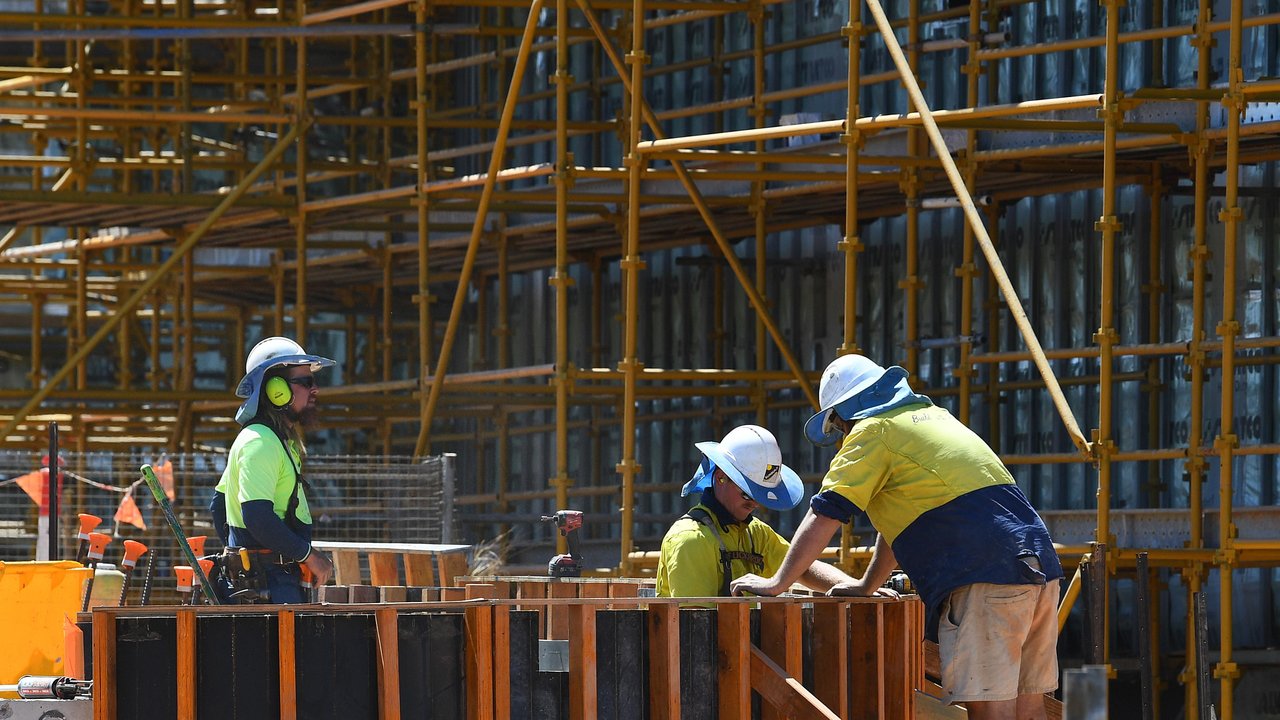
Further efforts to boost supply, such as providing more enabling infrastructure and improving productivity in the construction sector, were also encouraged.
The IMF was optimistic about the impact of the AI and data centre boom on Australia’s economic growth and productivity.
But it could also put pressure on the construction sector and lead to higher electricity costs if new renewable energy projects were not built fast enough, it said.
Shadow treasurer Tim Wilson said the IMF’s report card showed Labor was worsening inflation through excessive spending, causing Australians to fall further behind.
AAP