Aussies see fire and rain as extremes lash the nation
Kat Wong and William Ton |
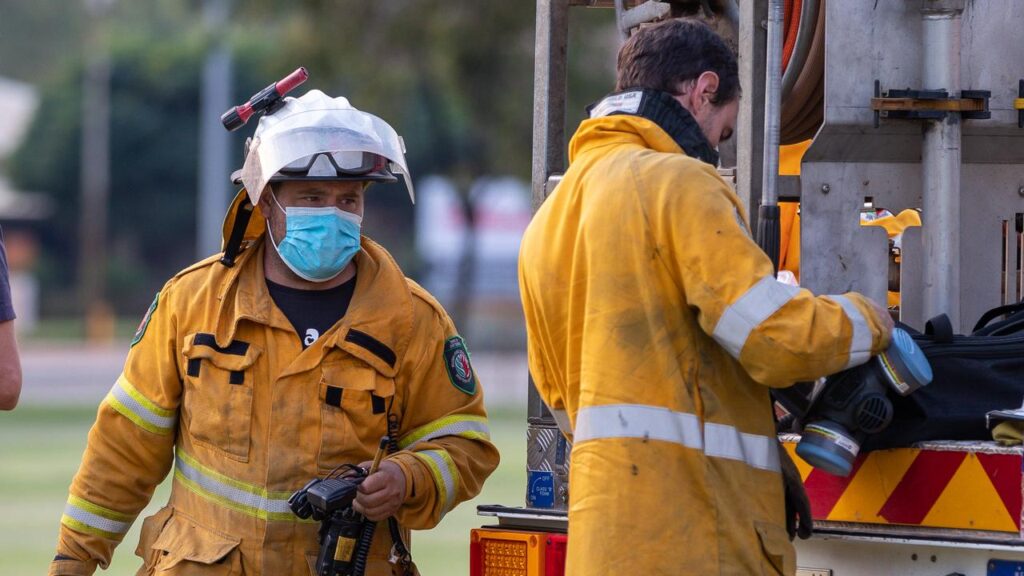
Australians are being battered by extremes on opposite sides of the nation, with people urged to remain vigilant amid ongoing fire and flood risks.
Though a bushfire continues to rage about 200km southeast of Perth, nearby residents are no longer being told to leave their homes.
The threat to lives and homes remains possible as fire conditions change but the risk alert has been downgraded to watch and act.
Bannister, Wuraming and Boddington locals should continue monitor their surroundings and act quickly if the situation worsens.
Increased humidity and consolidated containment lines have improved fire behaviour, according to the WA Department of Fire and Emergency Services.
However, the bushfire remains uncontrolled and uncontained, and wind changes are expected.
Dry, gusty winds and a Christmas heatwave had fed the fire that was believed to have started at the Boddington gold mine.
“It shouldn’t be quite as hot today as it was yesterday, but there will still be some challenging conditions for firefighters battling any ongoing blazes in the landscape,” Bureau of Meteorology senior meteorologist Miriam Bradbury said.

On the other side of Australia, eastern parts of the Northern Territory and much of western, northern and eastern Queensland are bracing for floods as thunderstorms and monsoonal rains arrive over the weekend.
Several hundred millimetres of rainfall is expected for northeastern parts of the NT through northwest Queensland, the northern interior and pushing towards the north Tropical Coast.
Up to 300mm could fall in northwest Queensland and across the north Tropical Coast, Ms Bradbury said.
Roads can be cut off or turn muddy and communities isolated as flash flooding risks rise from thunderstorms, particularly in remote western Queensland.
“Across this period between Christmas and New Year, many people will be travelling or holidaying, so this is definitely something to build into your plans,” Ms Bradbury said.
The extreme weather caused a partial crane collapse on the Gold Coast on Thursday as winds reached more than 80km/h.
Police made an emergency declaration in the area but no injuries were reported.
AAP