Awkward moment awaits PM with potential Putin photo
Jacob Shteyman |
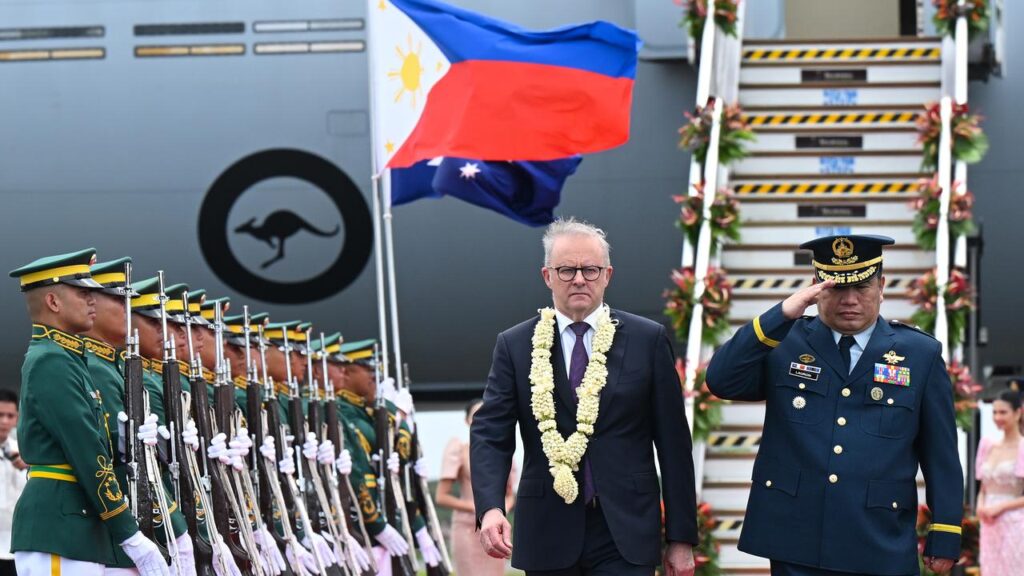
Prime Minister Anthony Albanese has not ruled out appearing in a photo alongside Vladimir Putin but has vowed to voice his opposition to Russia’s Ukraine invasion.
Mr Albanese said he would respect and consider the host nation China’s wishes if he were asked to appear in a “family photo” with other leaders, including the Russian president, at the upcoming APEC summit.
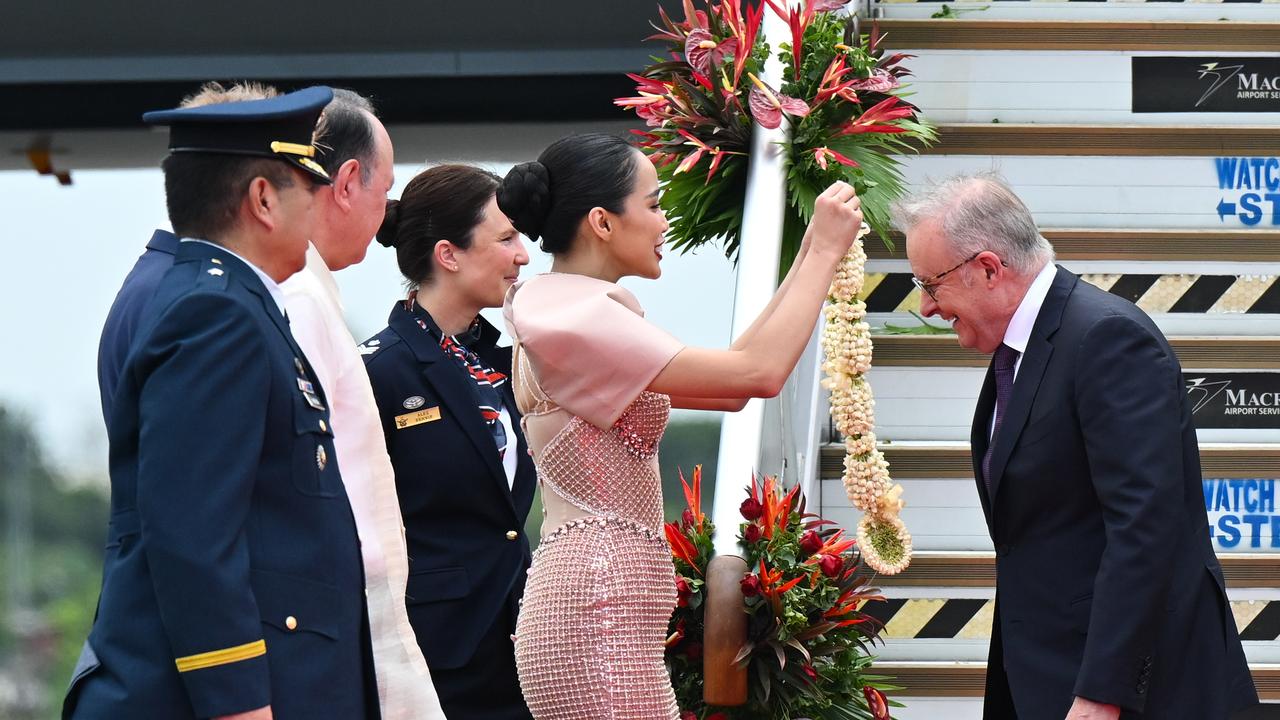
The prime minister is set to jet off to Shenzhen for the economic forum after attending the ASEAN meeting and a Quad leaders summit in the Philippines.
The leaders of Australia and Russia have not met since Moscow decided to invade Ukraine in February 2022.
Foreign Minister Penny Wong was spared having to pose alongside Russian counterpart Sergei Lavrov after the traditional family photo was cancelled due to European, Australian and Canadian opposition at a G20 summit in October.
But Mr Albanese welcomed a potential meeting between Mr Putin, US President Donald Trump and China’s Xi Jinping on the sidelines of APEC.
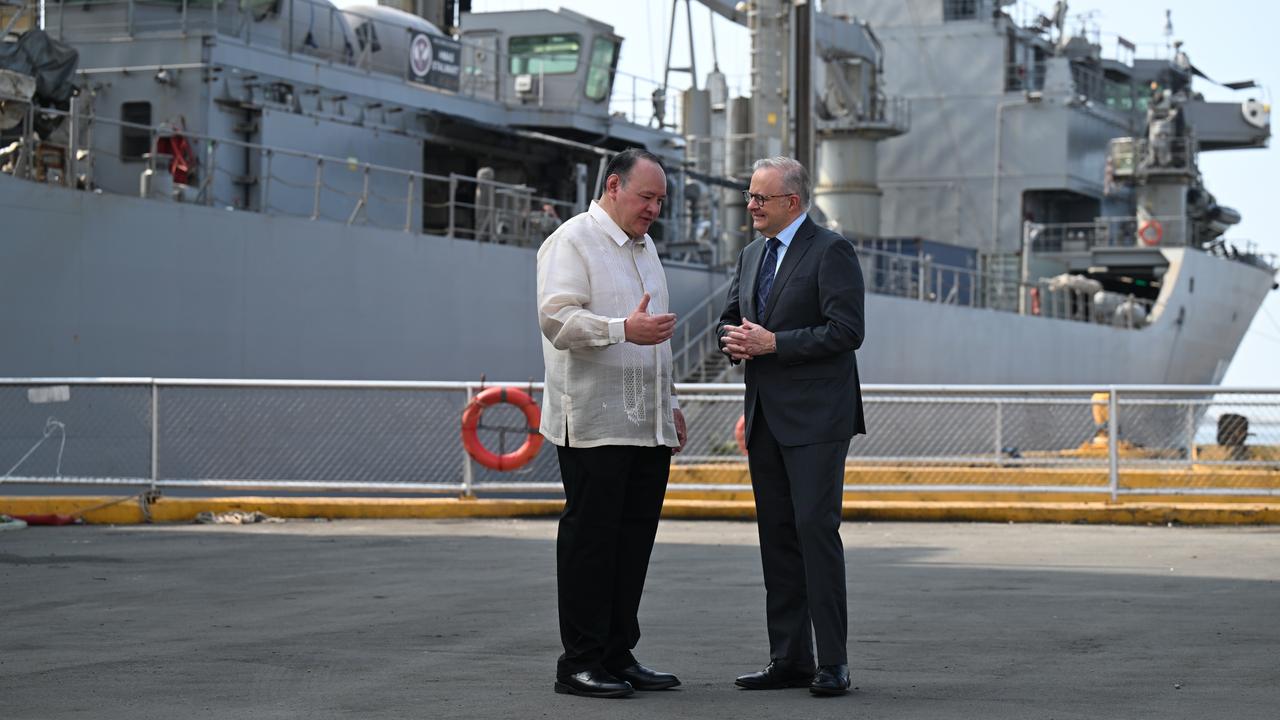
“We think dialogue is a good thing and we await the outcome of that dialogue,” he told reporters aboard HMAS Stalwart in Manila.
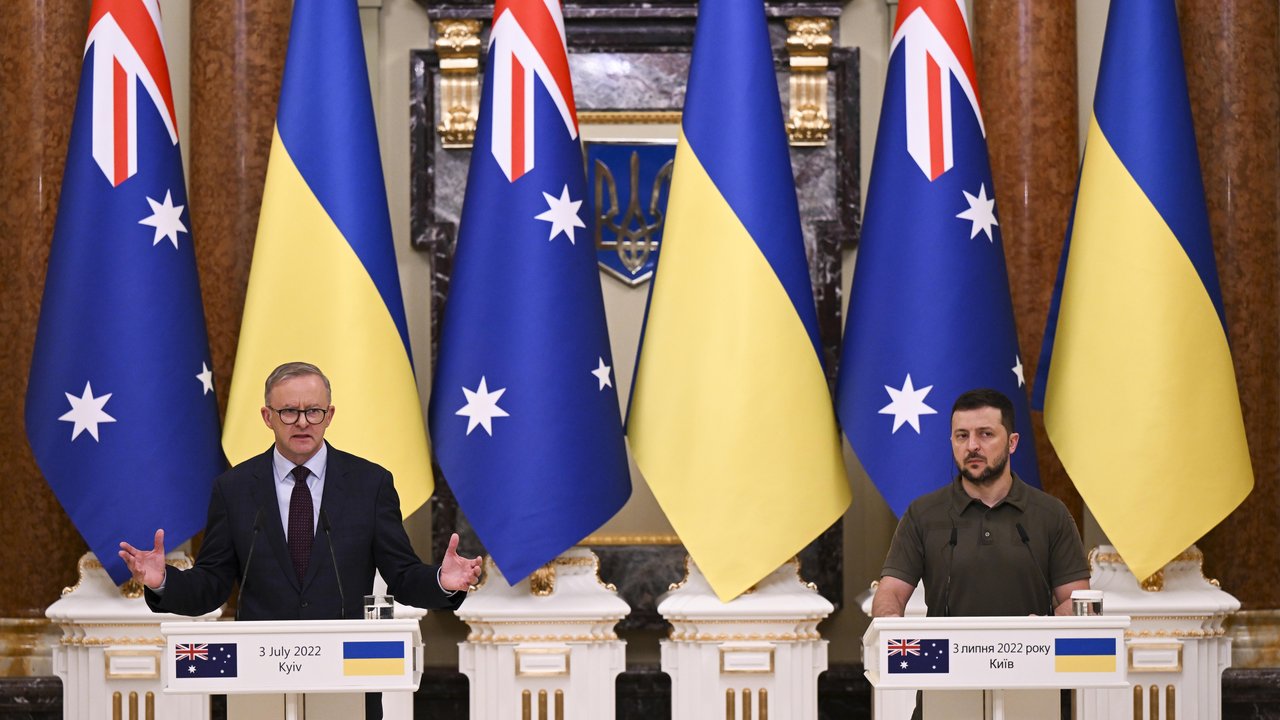
Ukrainian President Volodymyr Zelenskiy has labelled the potential meeting “Yalta 2.0” – a reference to the post-World War II conference in which the US, the USSR and the UK carved up the ruins of Europe into competing spheres of influence.
Pushed about whether the meeting ran counter to his middle-power diplomacy agenda, he said Australia would continue to engage with the world’s two superpowers: China and the US.
But if he happened to come into contact with Mr Putin, Mr Albanese said he would put forward Australia’s position.
“This is an illegal and immoral invasion,” he said.
“This is a bigger country being a bully in contravention of international law, and I have every respect for President Zelenskiy and for the people of Ukraine.”
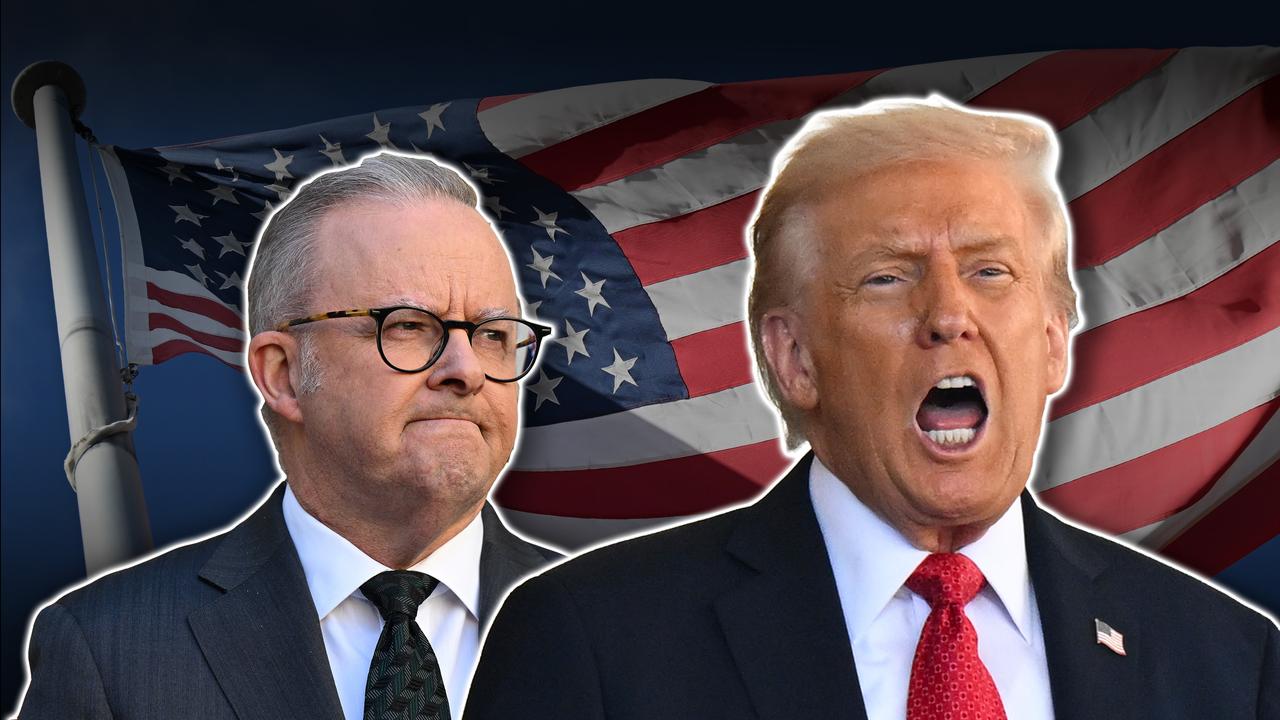
As for Mr Trump, whose war against Iran has been blamed for driving up inflation and interest rates in Australia, the prime minister said the US president was aware of Labor’s “very strong views” about the need for de-escalation.
“It’s also having an impact on supermarket shelves in the United States, in Australia, in the Philippines,” Mr Albanese said.
Australia’s inflation rate sits at 4.3 per cent, while inflation in the Philippines galloped to 7.8 per cent in October, up from 2.4 per cent pre-conflict, according to the nation’s statistics bureau.
Mr Albanese will discuss mitigating the economic impacts from the Middle East conflict when he meets with Philippines President Ferdinand Marcos Jr later in the week.
But on Sunday, the focus between the two nations was on defence co-operation.
Australia and the Philippines will step up maritime training and activities amid shared security concerns about China’s growing militarisation of the South China Sea, particularly in an area deemed part of Filipino territorial waters by a UN arbitration in 2016.
But the agreement was not aimed specifically at any one country, Mr Albanese insisted.
“This is about supporting the sovereignty of every country,” he said.
Mr Albanese also emphasised the strong people-to-people links between Australia and the Philippines at iconic Filipino fast-food chain Jollibee.
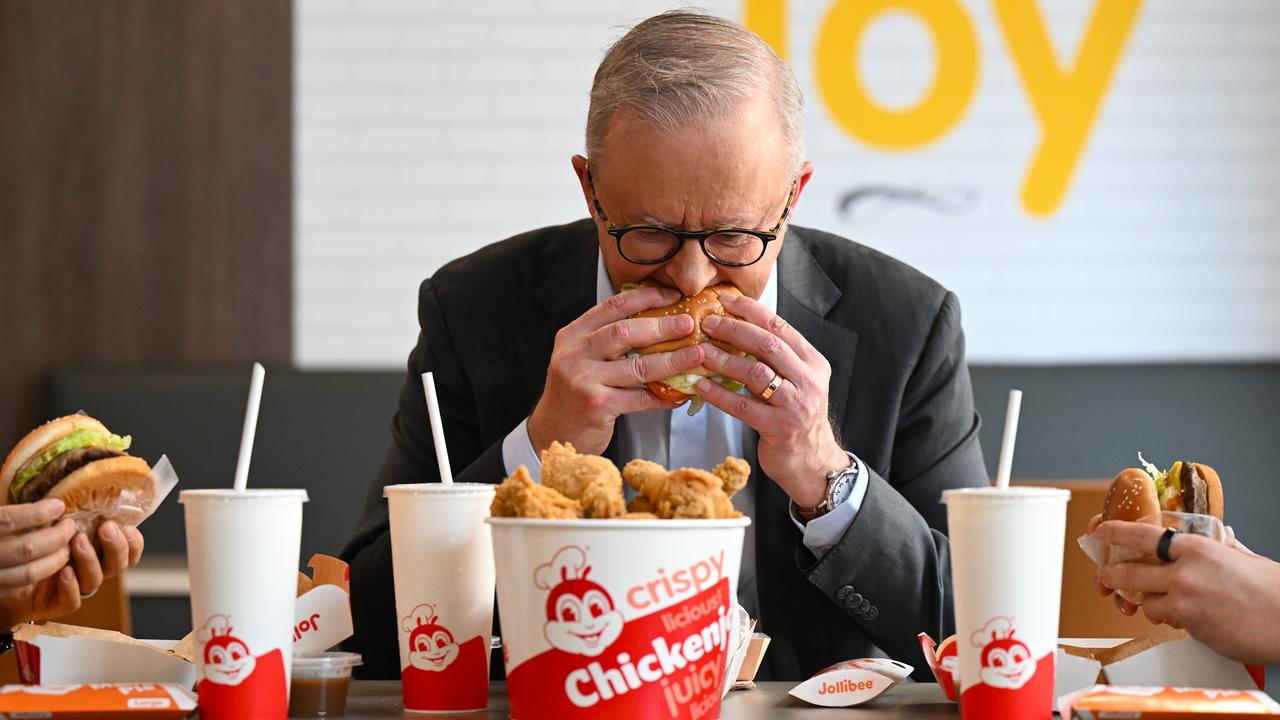
The company aims to open 35 stores in NSW and Victoria over five years, creating 900 direct jobs and thousands more indirectly via supply chains.
“Jollibee also will be a source of pride for Australians of Filipino background,” Mr Albanese said, before tucking into some fried chicken at a store in Manila.
“When you see Jollibee anywhere in the world, it is known that that is Filipino success.”
More than 400,000 people living in Australia were born in the Philippines, making it the country’s fifth-largest diaspora community.
AAP