Consequences murky for out-of-control special forces
Will Nicholas |
Australia’s top general has been grilled about special forces soldiers permitting the killing of civilians, allowing a breakdown of discipline and an “inversion” of authority while deployed to Afghanistan.
The military effectively lost control of the Special Air Services regiment over the course of the decades-long conflict, a report from the Inspector General of the Australian Defence Force reveals.
Excessive arrogance, secrecy, an “uncontrolled ‘warrior’ ethos” and cowardice among officers making them subservient to their junior ranks were all unearthed by the wide-ranging inquiry.
It also found the “widely known” use of throwdowns, where Afghan civilians were killed and then photographed with weapons to falsely paint them as combatants, was left unaddressed, indicating broader discipline disintegrations.
“The tolerance of officers of overt non-compliance sent a powerful signal,” the report said.
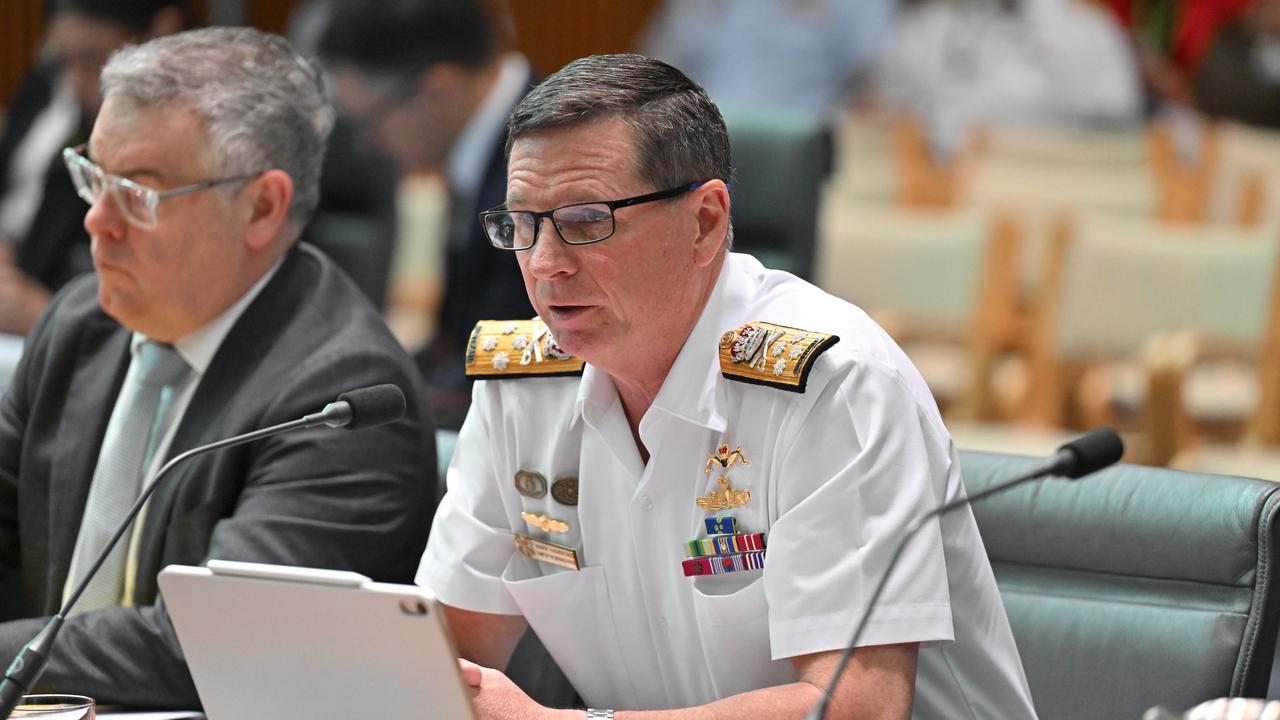
Defence Force Chief Mark Hammond said the conduct was “completely unacceptable behaviour” during Senate estimates hearings on Thursday.
“An ‘inversion of authority’ … a breakdown in culture, a normalisation of unacceptable practices,” he said.
“All of that is contained and utterly unaligned with the expectations we have of our personnel.”
The incidents examined by the inspector-general’s inquiry all occurred years before Admiral Hammond took the helm of the defence force in July.
He said it was difficult to hold top brass to account over the report’s finding special forces soldiers deliberately obscured bad behaviour from high command.
That aligned with the findings some officers were protective of their soldiers to the point of “deliberately derailing authorised inquiries”, and that legal and intelligence officers may have coloured their reporting to conceal misconduct from those above.
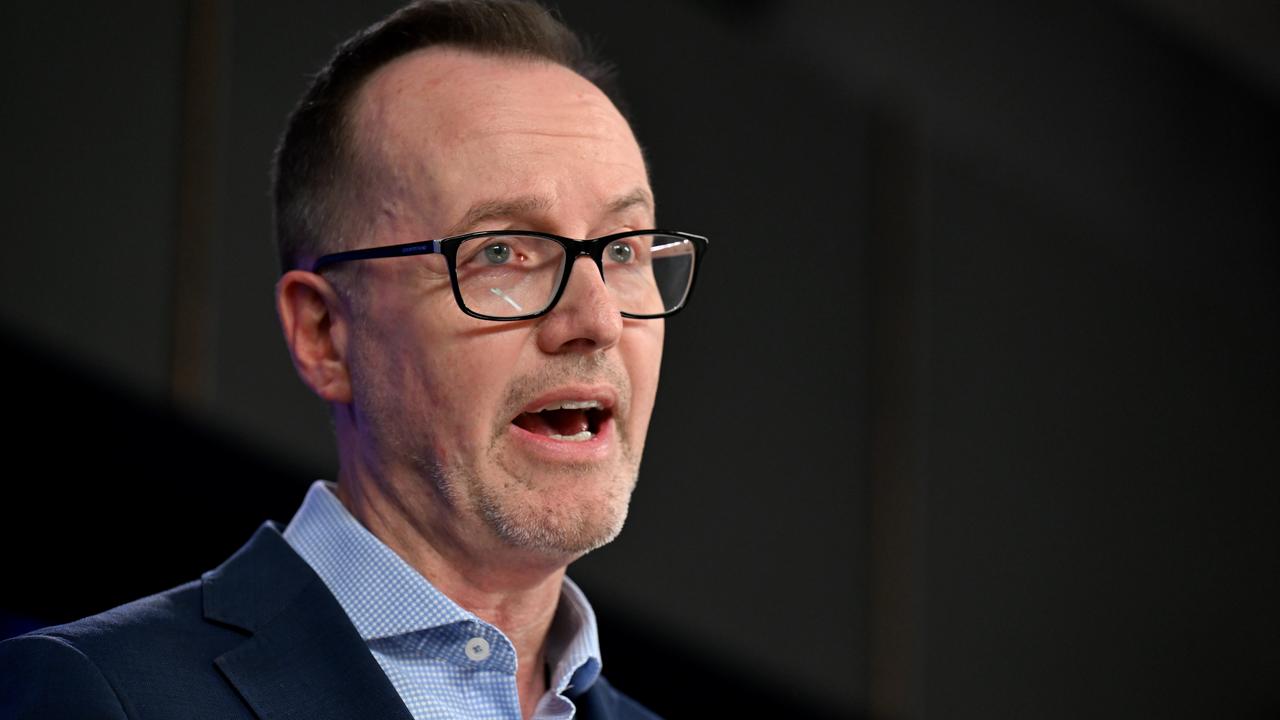
But “signs of a broader decline” were also discovered in higher headquarters, Greens leader David Shoebridge put to the defence chief during hearings, adding the report had unearthed evidence of “an absence of effective leadership at various levels”.
“You must be reading a different report to the one I’m reading, Admiral,” Senator Shoebridge said.
The inspector-general also hinted misconduct might have been visible to high command through strange increases in the number of enemy killed in action compared with a lack of Australian casualties, described as “most unusual”.
“The inference could be drawn that appetites for kinetic operations grew at the expense of the winning over of the local population,” the report read.
“Some commanders were alert to this data and rumours that accompanied it while others were not, which may suggest an abandonment of curiosity.”
Officers becoming subordinate to their juniors was classed as “learned helplessness” which allowed non-commissioned officers to dominate planning and tactical operations resulting in an unusual degree of autonomy.
According to the report, juniors’ “domineering, almost dismissive approach” towards their superiors had helped foment the unit’s cultural and compliance issues, as well as the corruption of reporting and command chains.
Admiral Hammond said these non-commissioned officers had been held to account, but admitted their superiors had not been prosecuted and could not give detail on the consequences they faced in relation to the report’s findings.
He also could not say whether legal and intelligence officers who reportedly facilitated concealment had been penalised over their alleged actions.
“I am absolutely of the view that that commanders should be inquisitive – you get what you inspect, not what you expect,” the defence chief said.
“The majority of operations and and personnel who served in Afghanistan did so with complete professionalism, and acquitted themselves to meet the highest expectations.”
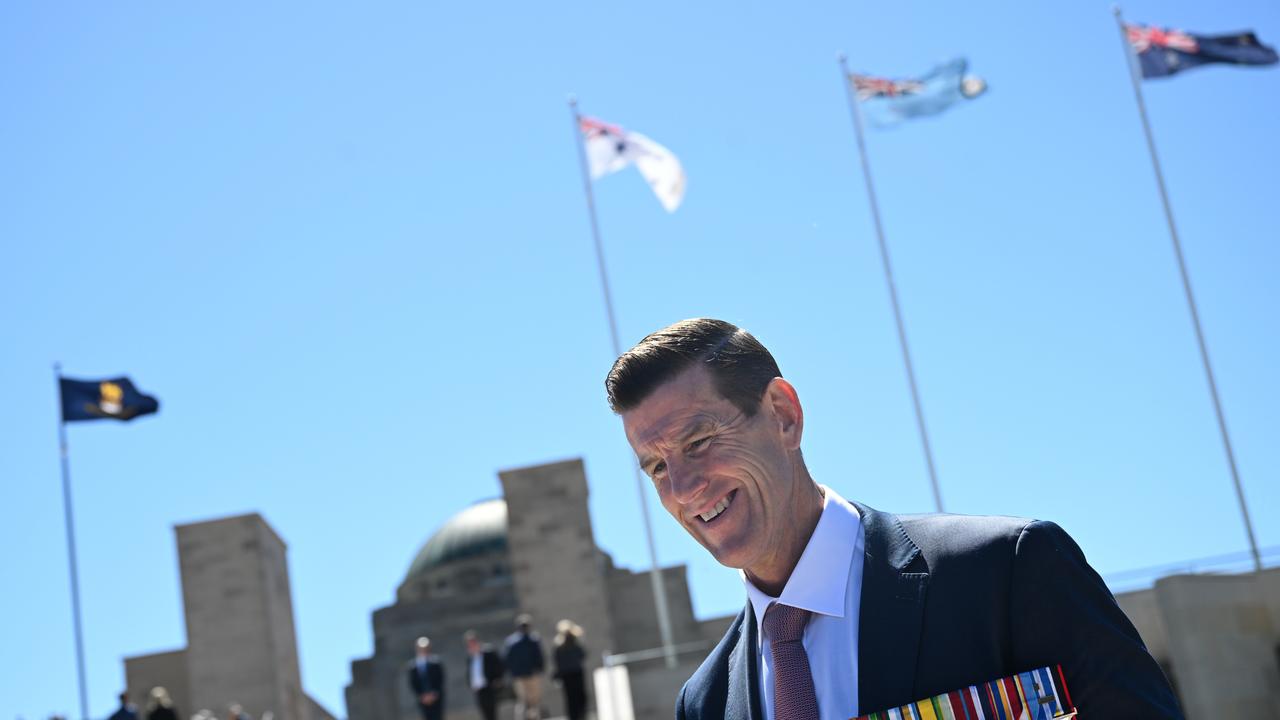
Two former SAS soldiers, Ben Roberts-Smith and Oliver Schultz, have been charged over alleged war crimes committed while serving in Afghanistan. Both have pleaded not guilty and their cases remain before the courts.
Lifeline 13 11 14
Open Arms 1800 011 046
AAP