Trump policies blamed for online ‘fermentation of hate’
Lucinda Garbutt-Young |
Australia is in its most toxic and caustic era of online hate speech, the nation’s independent safety regulator says, blaming overseas anti-regulation governments including the US.
Appearing before a royal commission in anti-Semitism on Thursday, eSafety commissioner Julie Inman Gran said technology platforms felt empowered to strip back protections given the Trump administration was not seeking to enforce them.
“Technology has never been more powerful and guardrails have never been weaker,” she said.
“The geopolitics is very much playing into the fermentation of hate online because the platforms feel protected in rolling back protection.”
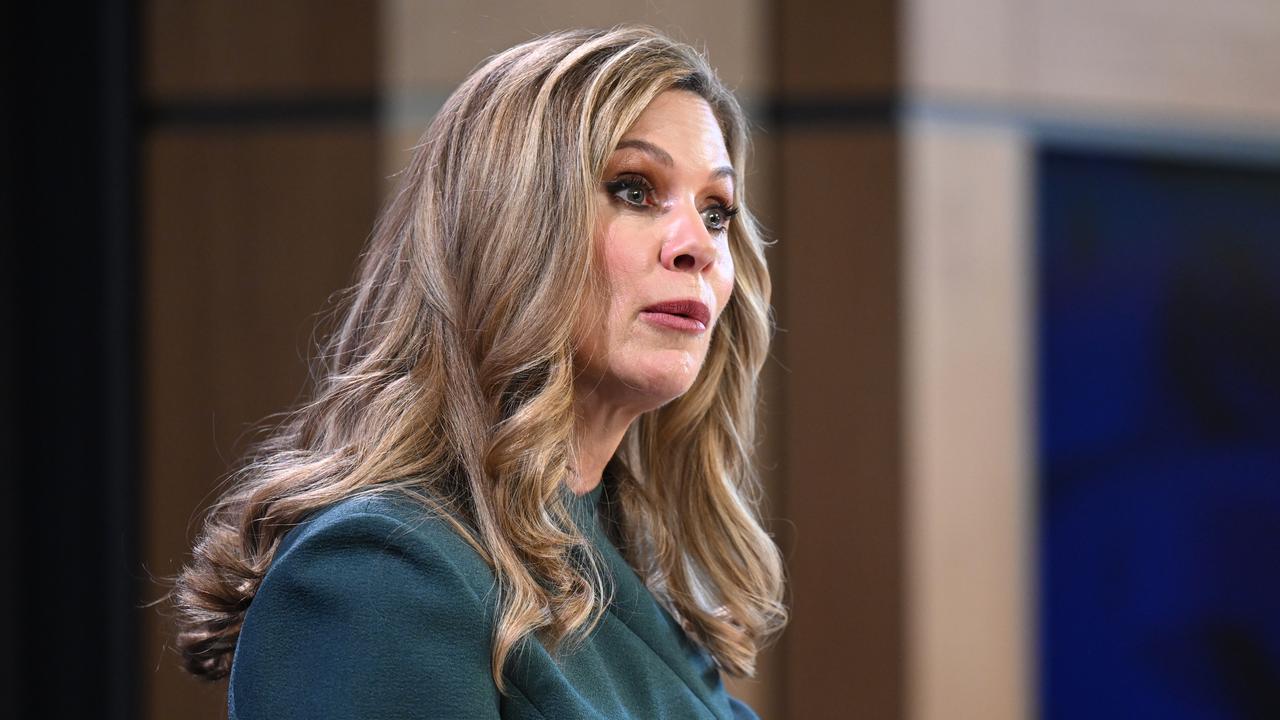
Ms Inman Grant said hate speech, particularly anti-Semitism, bled into areas she could not control.
Her office has been fighting Elon Musk’s X Corp in a trio of cases where it had opposed take-down orders of violent content.
”This content can go viral in minutes, if not hours, and so that does constrain us operationally, and we pride ourselves on being very nimble and quick,” she said.
Police rarely communicate directly with her office as investigations are unfolding, resulting in knowledge gaps about hate speech, the commission was told.
NSW Police assistant commissioner Leanne McCusker said her team at times worked directly with platforms for take-down orders, rather than also looping in the eSafety commission.
Ms McCusker said she probably needed to consider providing more regular information to the commissioner.
The Western Australian police force had attempted to draft a memorandum of understanding with the eSafety commission between 2022 and 2024, but it had stalled.
WA deputy commissioner Kylie Whitely said since then, the force did not meet regularly with Ms Inman Grant’s team and had not often contacted them about online hate.
In Victoria, state police communicated with the e-safety commissioner on an “as needs basis”, which were generally crisis situations requiring the removal of a live stream, cybercrime detective Carl Keenan said.
The Australian Federal Police had only met with Ms Inman Grant on three occasions in 2021, 2023 and 2026, the royal commission was told.
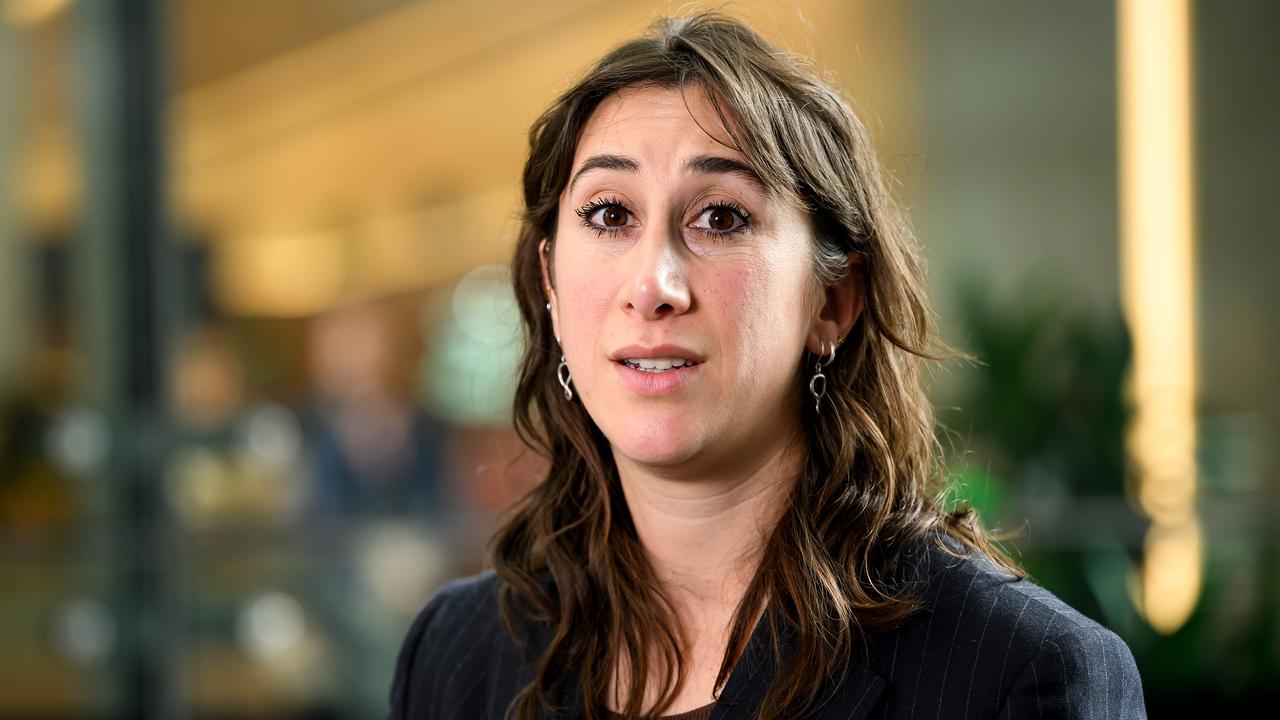
Earlier, a prominent Jewish leader detailed the online abuse she had endured for her pro-Palestinian advocacy, including being branded a “traitor”.
Sarah Schwartz, director of the progressive Jewish Council of Australia, said political manipulation of the Bondi shooting had left Palestinian and Muslim communities as scapegoats.
Much of the post-Bondi discussion sought to place the source of anti-Semitism among migrant and religious communities, leaving them to bear the weight of others’ actions, she said.
“This sends a message not only to the broader Australian public, (but) to Palestinian and Muslim communities that they have to account for anti-Semitism in a way that no other community is asked to account for it,” she said.
The Jewish Council rejects anti-Semitism but says criticism of Israel, particularly the actions of its government, is not the same thing.
Ms Schwartz said her views on what constituted anti-Semitism had changed drastically as she learnt about Israel’s history.
”A lot of government and policy responses to anti-Semitism have focused on anti-Semitism as being primarily sourced within the Palestine solidarity movement,” she said.
”It’s incredibly dangerous for government responses to be focused on Palestinian and Muslim communities and responses.”
The third block of public hearings for the royal commission began on Monday with a focus on the treatment of Jewish people in mainstream and social media.
The ABC and SBS will appear later in the hearings, along with dozens of Jewish Australians who have been subject to online hate.
AAP