Teen boys push tripling in e-scooter hospitalisations
Max Aldred |
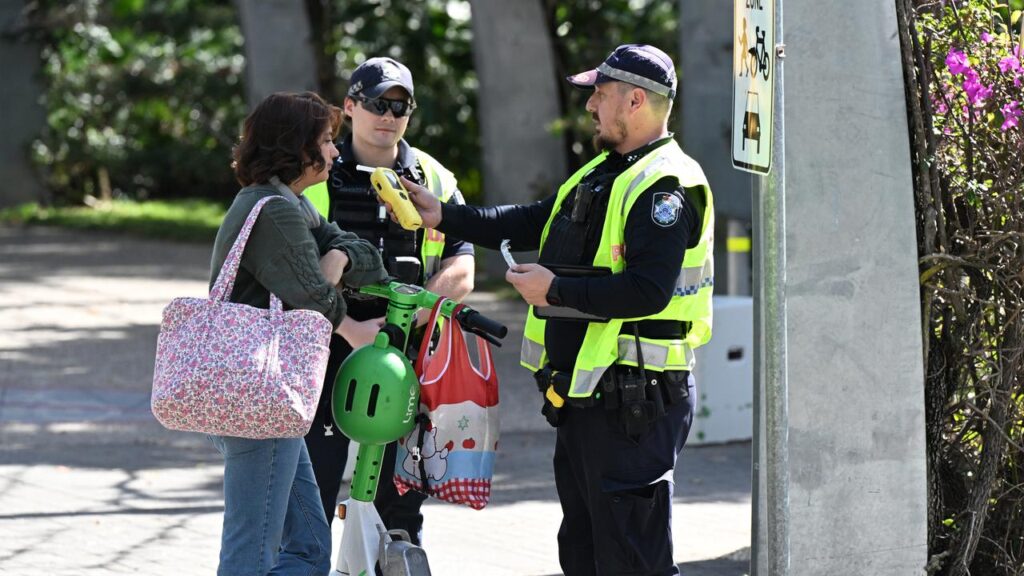
Teenage boys are seriously injuring themselves crashing e-scooters, as new figures reveal surging hospitalisation rates involving the battery-powered vehicles.
The Australian Institute of Health and Welfare published the first national data on e-scooters and e-bike related injuries on Thursday.
Hospitalisations related to falls from e-scooters – and mobility scooters – tripled from 1291 in 2019/20 to 4089 in 2024/25.
Males accounted for two-thirds of the figure.
Boys aged between 12 and 15 years old recorded the steepest rise – four times as likely as girls to be hospitalised.
The rate of hospitalisations jumped from 3.6 to 54 per 100,000 in the five-year period.
Hospitalisations involving non-powered scooters have declined in the same time.
Most of those injured suffered fractures from their falls, about three in five, an increase of about 12 per cent over a decade.
Institute spokeswoman Jacqueline Rek said e-scooters and e-bikes were becoming more familiar on Australian roads.
“As use and availability appear to have grown it is becoming increasingly important to understand the associated safety risks,” she said.
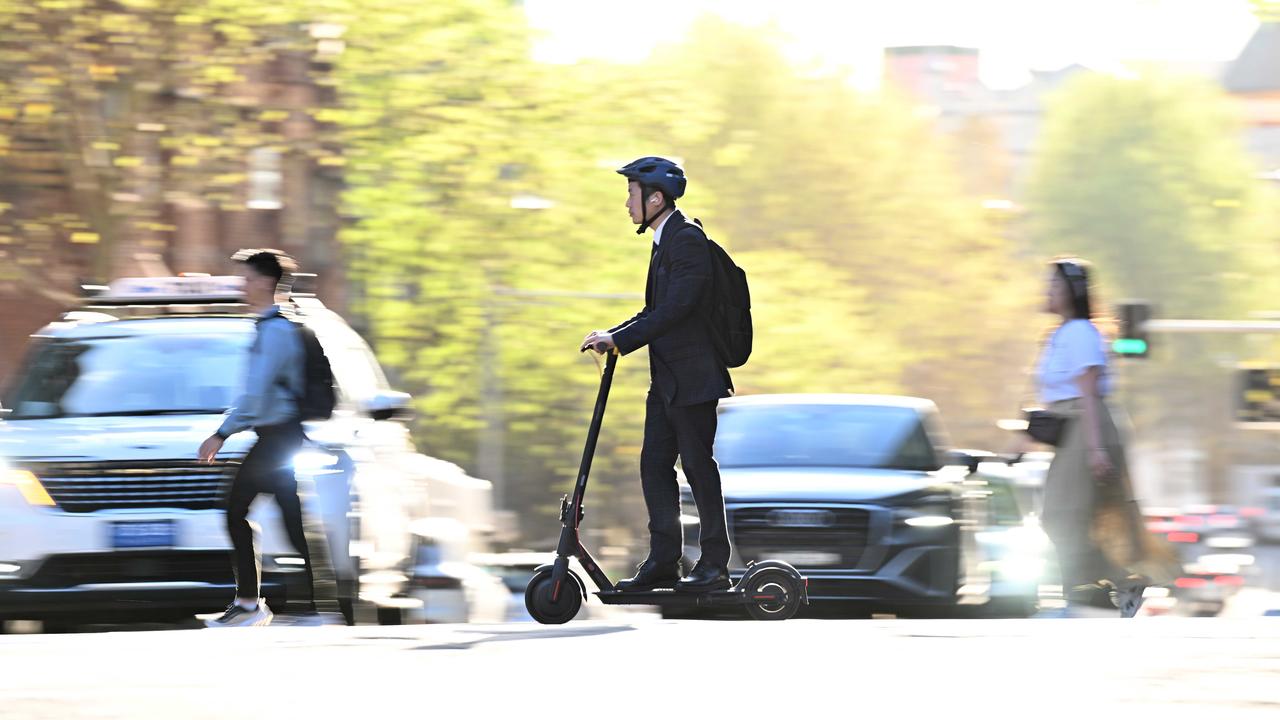
She pointed to the more than 150 pedestrian injuries in 2024-25 as a key metric to note.
“While pedestrian injuries are less common, they are appearing in hospital data and warrant ongoing monitoring as e-scooters and e-bikes become more common in Australian communities,” she said.
E-bike related injuries also rose in the data, however, the category includes injuries suffered on mopeds.
While a good guide for trends, the data was not entirely conclusive, the institute warned.
E-scooter injuries are captured in a category including mobility and stand-on scooters.
Ms Rek said Thursday’s report highlighted the utility of new hospital data coding distinguishing e-bikes and e-scooters introduced in July 1.
“The new codes will help distinguish injuries involving e-scooters, e-bikes and other devices, building a clearer evidence base to understand emerging risks and inform injury prevention,” she said.
It comes as state governments have moved to crack down on battery-powered transport.
NSW does not allow private e-scooters on public paths and roads, while Queensland has cracked down on speed limits and enforced a learner’s licensing restriction.
Victoria has similar speed limits and a minimum rider age of 16, much like South Australia, and Western Australia.
While looking like toys, e-scooters can reach serious speeds and offer little protection.
Riders, including in recent months, have lost their lives in crashes across Australia.
A young boy was thrown from an e-scooter in Brisbane in August and later succumbed to devastating head injuries.
A crash with a skateboarder claimed the life of a 39-year-old Queensland e-scooter rider in July, and a collision with a car in Perth claimed the life of a rider in his 40s in May.
AAP