Overseas players no longer mandatory in new BBL rosters
Scott Bailey |

Big Bash League clubs will no longer be forced to sign a minimum number of overseas players, with an overhauled contracting system to allow better pay for Australia’s best white-ball talent.
Cricket Australia is expected to finally open the contract window for clubs on Thursday, after long-running negotiations caused a delay in signings for this summer.
Clubs have been briefed on a number of changes for the next two BBL and WBBL seasons, which will impact the makeup of rosters.
The main alteration comes in the shape of overseas talent, with the draft scrapped and a return to an open market system locked in.

Under old rules, clubs were forced to sign two or three overseas players, with at least one on a gold ($300,000) or platinum ($420,000) level salary in the men’s competition.
Previous rules also forced clubs to have their top six marquee players on a combined salary of $1.7 million, with the sixth player earning at least $212,000.
Australia’s biggest names were effectively regularly earning less than overseas talent, despite being among the BBL’s biggest names.
Instead, for this coming summer the sixth marquee player will be dropped and from next season the marquee player category will be reduced to just four players, who will earn $1.4 million between them.
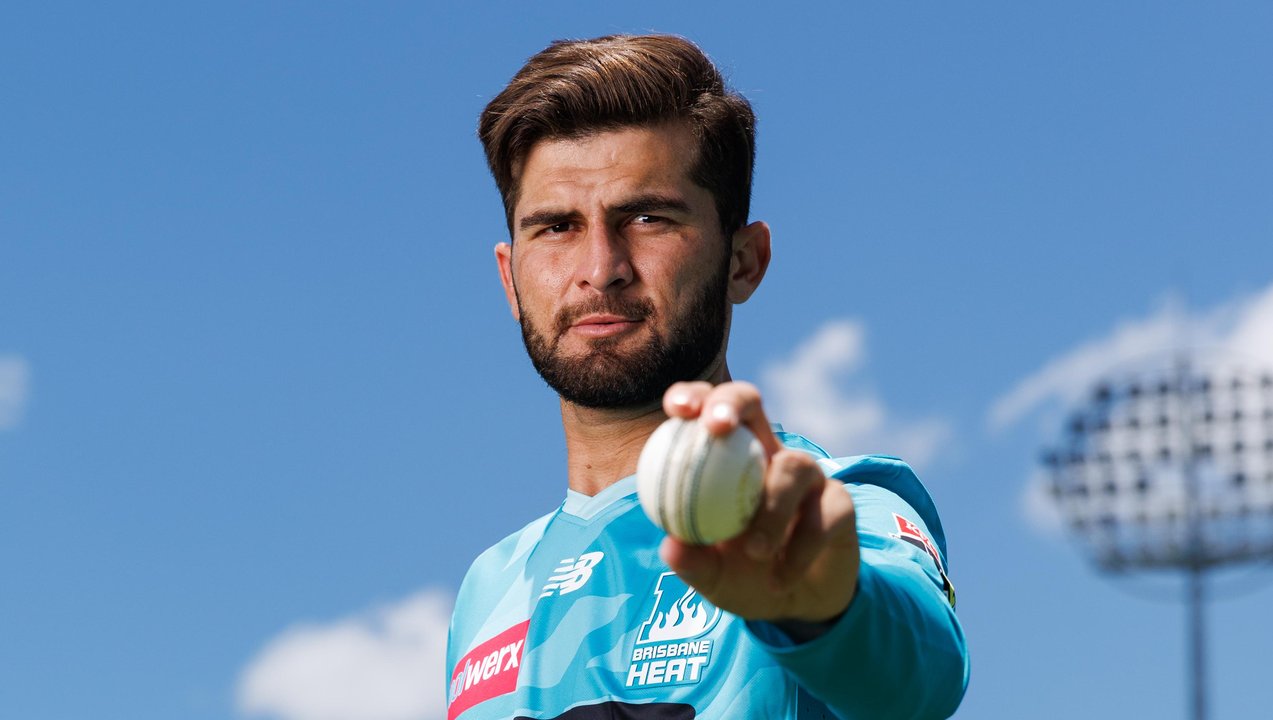
Officials hope that will allow the league’s best players to earn more, regardless of where they come from.
The changes are expected to make most of the club’s rosters and salary distribution more top heavy and ensure the retention of Australia’s best players.
There is a feeling across the competition that local talent, including the likes of Mitch Marsh, Glenn Maxwell and Marcus Stoinis, have been among the BBL’s biggest crowd pullers.
Steve Smith has also driven sold-out crowds with Sydney Sixers, while also pulling in eyeballs when not on Test duty.
There is also a view the changes won’t impact the arrival of the best overseas talent, who can now negotiate their own deals with clubs without constraint.

The reality is that there will likely be a drop in overseas players who were considered silver ($200,000) or bronze (up to $100,000) level, with clubs no longer required to fill a quota.
WBBL players also stand to benefit, given Australia’s players are generally available to play the entire tournament and remain the competition’s biggest names.
The planned opening of the contract window should pave the way for a deluge of signings, with clubs unable to have more than two-thirds of their 18-man BBL and 15-woman WBBL rosters locked in before that point.
The changes come with the privatisation of clubs still a major talking point, after it had been hoped decisions would be made well before this season.
AAP