‘We need migrants’: regions crying out for more workers
Stephanie Gardiner and Noah Secomb |
Along a stretch of Australian coastline, locals can take their pick from Thai, Yazidi, Ethiopian, Vietnamese, Chinese, Indian, Afghan and Japanese restaurants and shops.
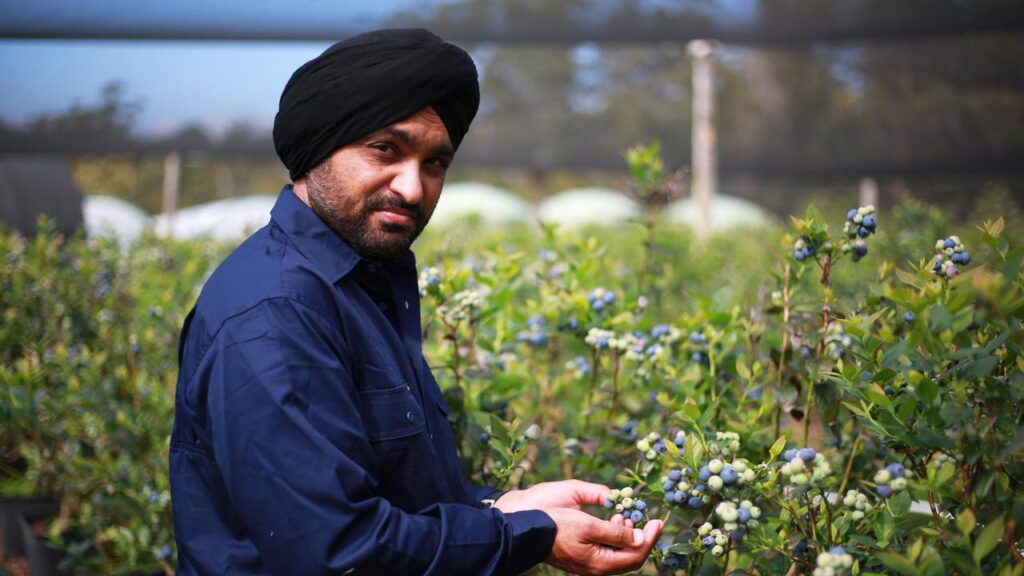
The state MP for Coffs Harbour, on the NSW north coast, is Gurmesh Singh, a third-generation local berry and nut farmer of Punjabi Sikh heritage.
The region has a long history of vibrant multiculturalism, which began when a group of Sikh farmers settled to work on banana and blueberry farms in the 1960s.
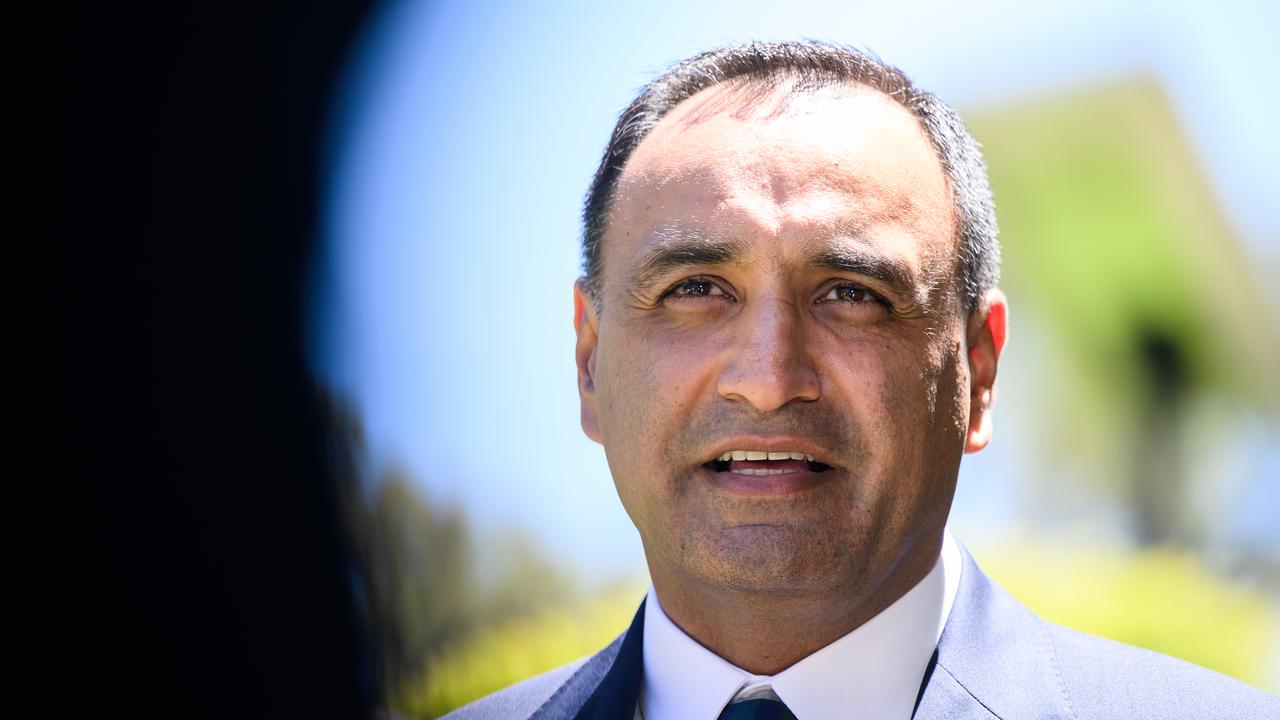
Along with places like Katanning, WA and Bundaberg and Dalby, in Queensland, Coffs Harbour owes much to its migrant community, which enriches local life and helps drive the economy.
“Migrants and migrant labour have shaped the story of regional Australia,” Regional Australia Institute research says.
But the think tank has raised the alarm about only a modest increase in the number of international migrants settling outside the cities.
Its annual progress report on life in regional Australia shows only 17.3 per cent of migrants moved to the regions in 2025, up from 16.7 per cent from the previous year.
The figure is well below the institute’s 2032 targets of 40 per cent.
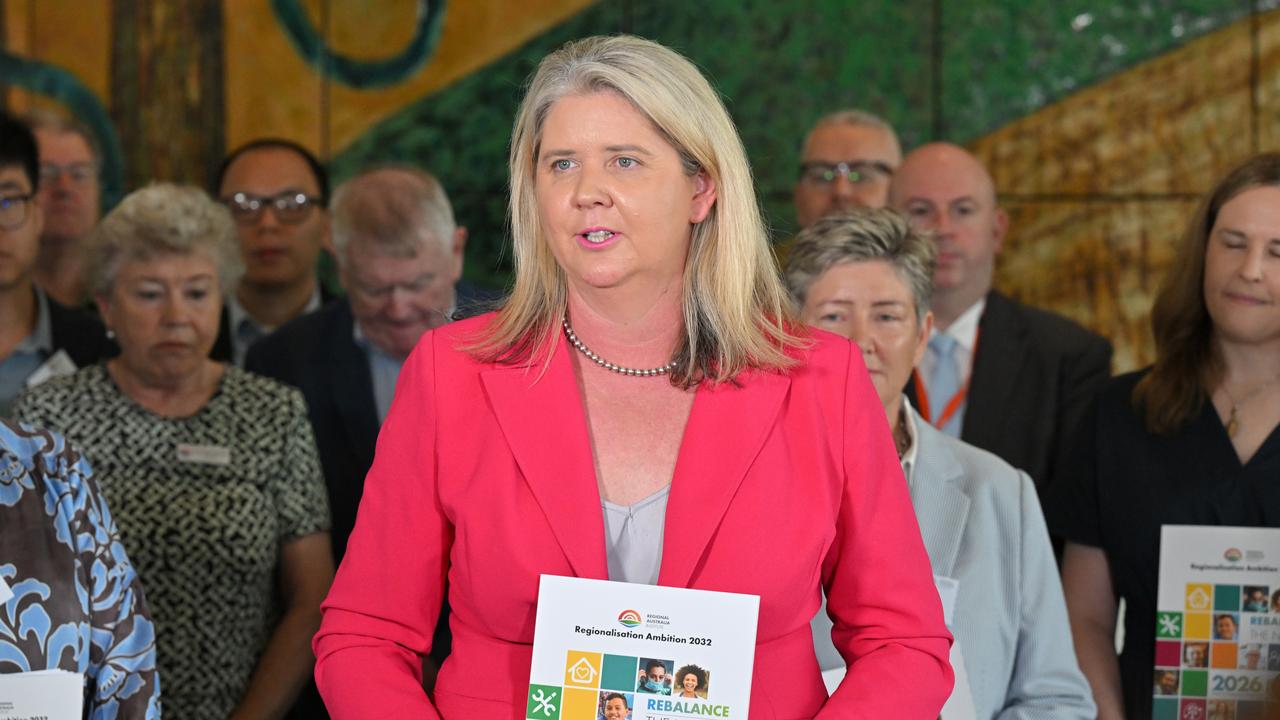
“Regional Australia needs migrants,” chief executive Liz Ritchie told reporters, launching the report at Parliament House in Canberra on Monday.
“We need the talent and skills they bring to our community; these are workers that support our healthcare, our aged care, our hospitality sectors.”
There were almost 70,000 jobs advertised in the regions, Ms Ritchie said.
Anti-immigration rhetoric has resurfaced in recent months, followed by several changes to migration policies.
Ms Ritchie said populist politics doesn’t necessarily serve regional Australia and the institute hopes to be a sensible voice.
“We know regional Australia relies on its migrant workers, and the impact they have … is profound,” she said.
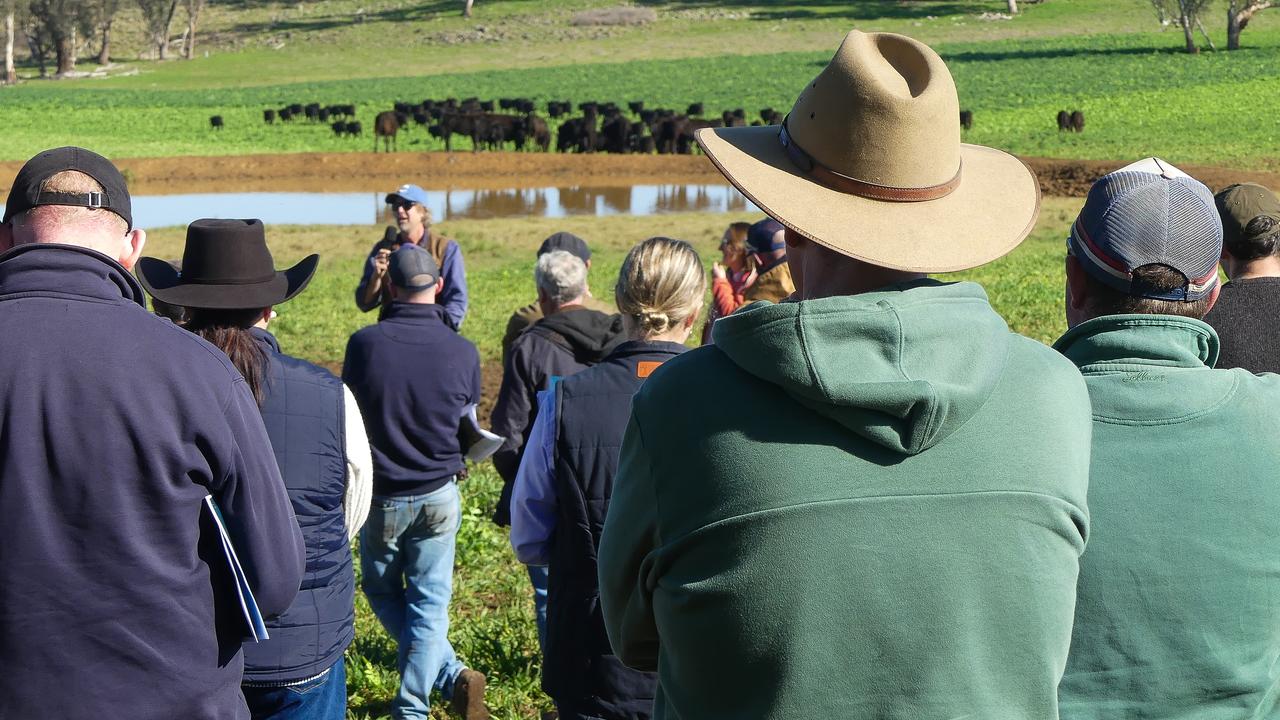
The report shows health outcomes are gradually starting to shift in the bush.
The number of full-time medical practitioners increased slightly to 381 per 100,000 people, while access to Medicare incrementally improved to 14.7 services per person.
However, the country-city divide still remains stark, with regional Australians losing 49.8 potential years of life per 1000 people, compared with 31.8 in metro areas.
“There is no reason why, in a western country, you should have people dying 12 to 16 years earlier purely because they live outside of the city,” National Rural Health Alliance chief executive Susi Tegen said.
The progress report shows while 11 ambitions for regional Australia progressed in 2025, nine went backwards across education, housing and the economy.
Year 12 attainment rates fell more than three percentage points, literacy and numeracy rates decreased, rental vacancies declined and productivity slumped.
Ms Ritchie said the report should be a line in the sand, particularly as the regions grow and the mining and energy sectors demand more workers.
“Communities cannot continue doing more with less,” she said.
AAP