A 1000km trek, floods and ‘crazy’ sacrifices for school
Stephanie Gardiner |
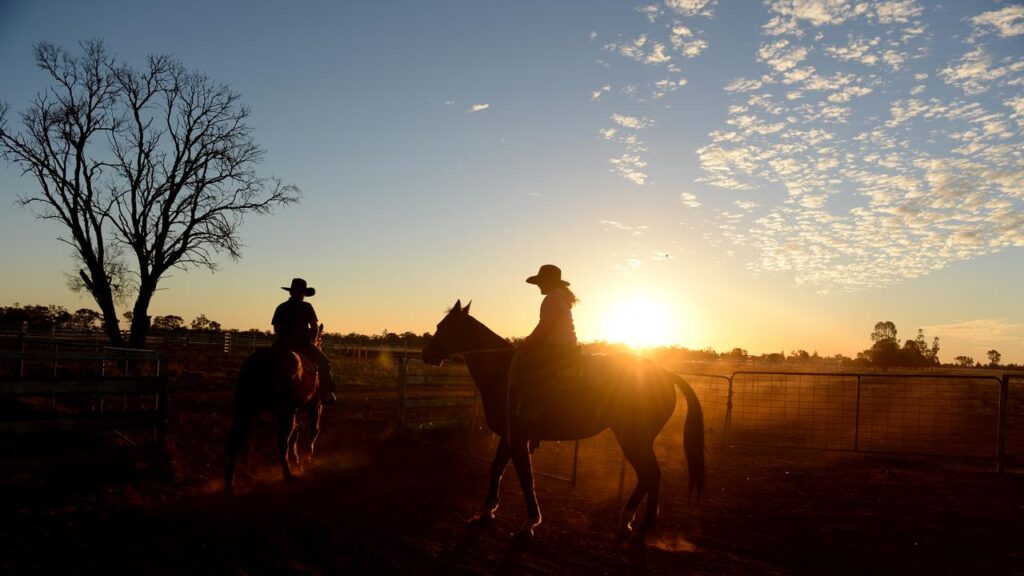
The Hill family found home in an outback town where there’s little more than a pub, a roadhouse and a small primary school dotted with gum trees.
Haylie Hill and husband Chris run a business installing water pumps across enormous cattle stations near their home in Camooweal, on the Queensland-Northern Territory border.
They thrive on the toil of farm work and love exploring the wild stretches of northern Australia with their three children.
“It is a beautiful part of the world. We love the simple lifestyle; it’s not over-complicated,” Ms Hill tells AAP.
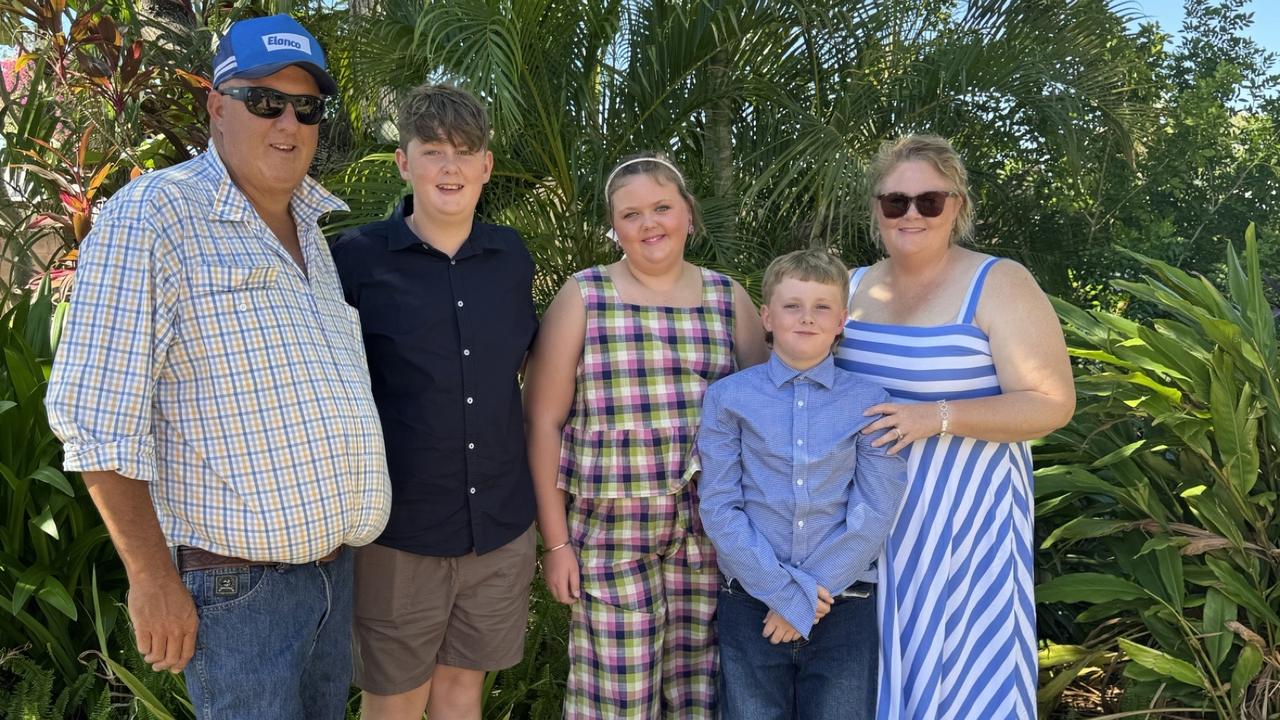
Without a high school in Camooweal, a town of less than 250 people, the Hills always knew they would send their children to boarding school.
For years, their eldest son Tex and daughter Violet happily boarded in Charters Towers, an 11-hour drive from home.
But when fuel prices spiked in early 2026 and a long wet season slowed business, boarding fees started to stretch the budget.
The only solution was to live separately to support their children’s education.
Ms Hill now lives in Charters Towers, where her teenagers have become day students and her youngest, Jimmy, attends a local primary school.
The move has its challenges, as Ms Hill adjusts to solo parenting and her husband misses the family during school terms.
“I’m sure people think I’m crazy because most people have a school just down the road,” Ms Hill says.
“There is quite a divide.”
Like many families in rural Australia, the Hills have made enormous sacrifices to get their children in a classroom.
A survey of almost 2000 rural families has found that without boarding school access, 45 per cent would relocate or split their households.
That figure rose to 56 per cent among very remote families, according to the national survey conducted by the Boarding School Collective.
Roughly half of families working in education and trades would leave their rural town or split without boarding options, along with one-third in health worker households.
The findings confirm limited choice and access to education is a critical workforce issue in Australia’s mining and agriculture regions, collective founder Amanda Ferrari says.
“We are punching so far above our weight, it doesn’t bear debating,” Ms Ferrari tells AAP.
“If we want to support our biggest industries, we need to support the people that prop (them) up.”
Despite stereotypes of boarding schools being a marker of wealth, they are often the only option for families in the bush.
While some rural towns have central schools spanning kindergarten to senior years, they are often unable to offer a wide range of subjects or extracurricular opportunities.
Small rural schools are also largely “invisible” to policymakers, according to research by the University of NSW’s Gonski Institute for Education.
There are more than 2100 schools across Australia with 100 or fewer students, meaning they do not meet minimum thresholds for data that informs education policy.
School numbers, and therefore teaching positions, fluctuate as rural families move with the fortunes of a season and women increasingly seek off-farm incomes in larger centres.
At least 50 small schools have closed in NSW since 2010, with similar trends across Tasmania, WA and SA.
Ms Ferrari’s grassroots organisation is urging the federal government to view boarding schools as essential regional infrastructure.
Rural families should be supported with subsidised fees and greater isolated child assistance payments to help parents stay in their communities, she says.
“It’s not just the people who work in agriculture or mining but all the people in town that give it a heartbeat.”
The charity’s sentiments are reflected in many submissions to a Senate inquiry into early education in the regions.
Rural Doctors Association of Australia president Sarah Chalmers says medical vacancies are going unfilled due to a dearth of child care.
“The community feels that loss,” Professor Chalmers says.
“It might mean waiting longer for an appointment or driving hours to see a doctor elsewhere, with all the costs and time away from work and family commitments that involves.”
Getting three children through school has been anything but straightforward for Tara Bird, who started raising her family in Bourke, in outback NSW.
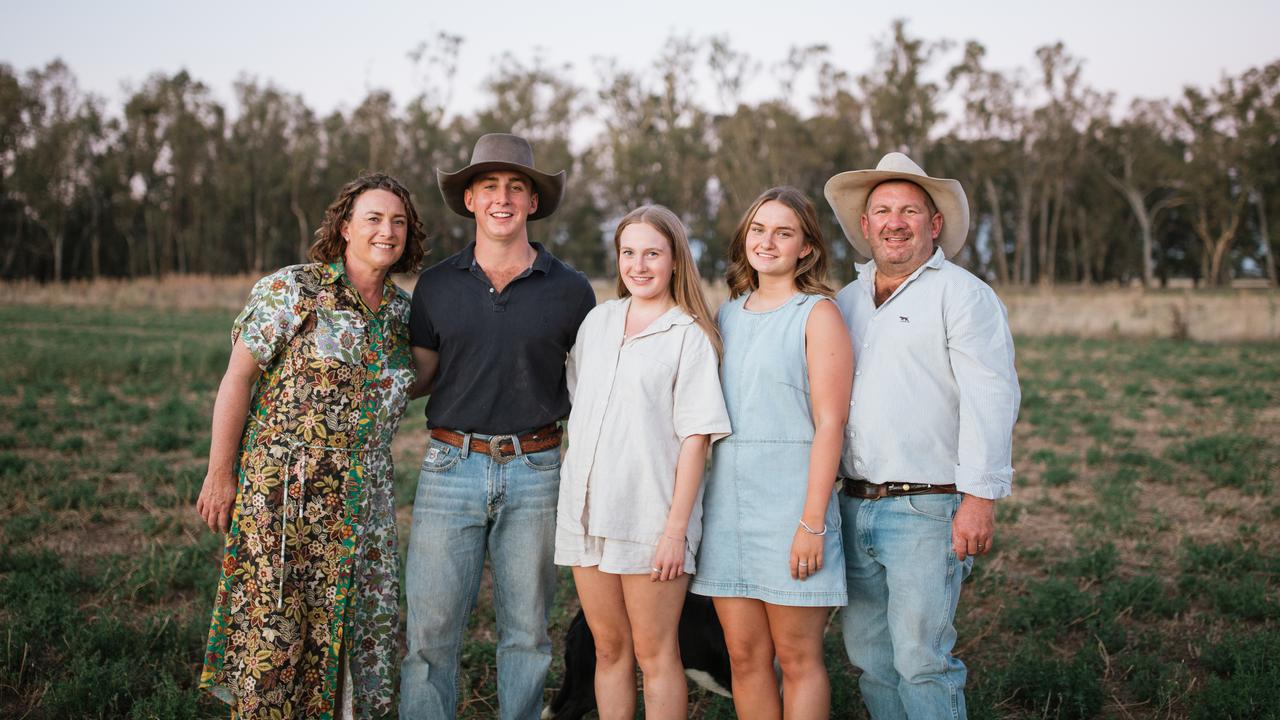
The accountant and her electrical linesman husband Angus sent their children to the local primary school, knowing options for high school were limited.
They moved to the hamlet of Bedgerabong, central western NSW, to be close to schools in Forbes, leaving Bourke with two fewer highly-skilled workers
The Birds also had to leave behind a special community.
“My kids grew up with our friends like their family,” Ms Bird tells AAP.
“You form really strong connections within those little communities.”
Moving to their new home about 50km from Forbes, their kids faced a daily 90-minute trip on three school buses.
Their youngest daughter missed much of a term due to floods, which either cut off the roads or inundated her primary school.
Ultimately, the Birds applied for bursaries to send all three children to boarding schools in Sydney for greater educational consistency.
“People say, ‘You choose to live where you live’,” Ms Bird says.
“Well, that just doesn’t sit right with me.
“It’s so important we keep these little towns alive; it’s a real shame so many people have to leave to educate their kids.”
AAP