AI looming as economy’s make-or-break turning point
Jacob Shteyman and Noah Secomb |
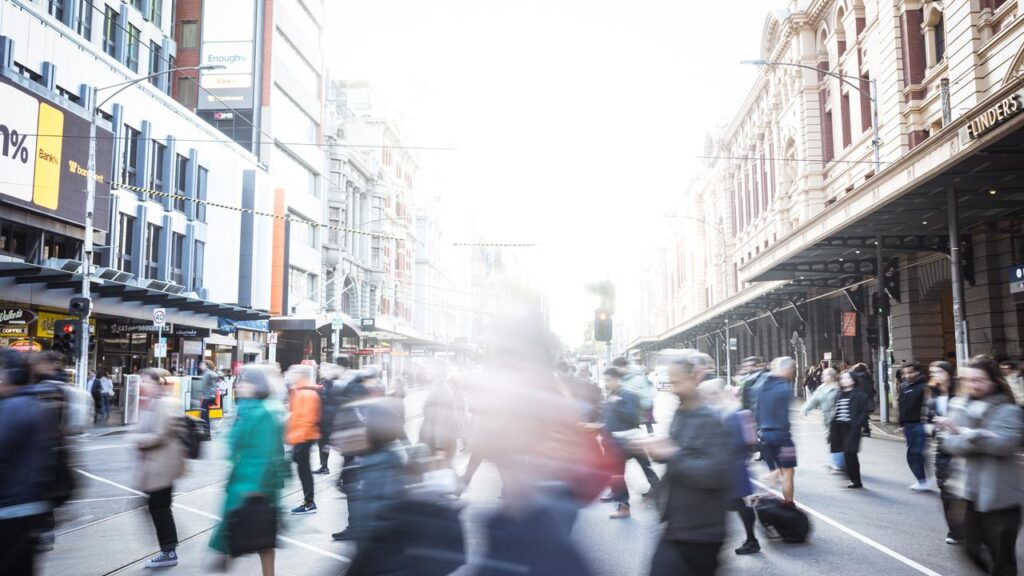
Healthier, wealthier and more equal, or smaller, poorer and more indebted?
Australia’s path for the next 40 years has been charted in the latest Intergenerational Report, and the direction the nation takes will have a lot to do with artificial intelligence.
Unveiling the triennial assessment of the nation’s economy on Monday, Treasurer Jim Chalmers said Australia faced unprecedented challenges, but would do so from a position of relative strength.
One of those challenges was the AI revolution, “the biggest economic transformation of our lifetime”, Dr Chalmers said.
AI threatened to worsen misinformation, strain resources and cause social and economic disruption, but it also underpinned a projected improvement to the economy and the federal budget through increased productivity.
In real terms, Australia’s economy in 2066 will be more than twice as large and the average Australian will enjoy 55 per cent higher income.
The federal deficit is projected to blow out from one per cent of GDP to 1.8 per cent, although gross debt is expected to ease from 33.1 per cent of GDP to 27.4 per cent.
However, the projections were underpinned by a rosy assumption that productivity growth would bounce back from the 0.3 per cent average over the past decade to 1.2 per cent within five years.

That’s more optimistic than the Reserve Bank’s medium-term assumption of 0.7 per cent and has been questioned by several economists, such as HSBC’s Paul Bloxham and veteran budget watcher Chris Richardson.
Under a less optimistic 0.8 per cent assumption, real income per person – a rough measure of living standards – would be $20,000 lower than the baseline forecast of $149,500.
The gross debt to GDP ratio would blow out to 55.9 per cent, compared to the baseline projection of 27.4 per cent.
Deloitte Access Economics partner Stephen Smith said the report reinforced the fact Australia has relied too much on increasing the population and too little on improving productivity to drive economic growth.
“The difference between those two assumptions is an economy that is smaller, poorer and more indebted,” he said.
“AI is an opportunity but can’t just be taken for granted.”
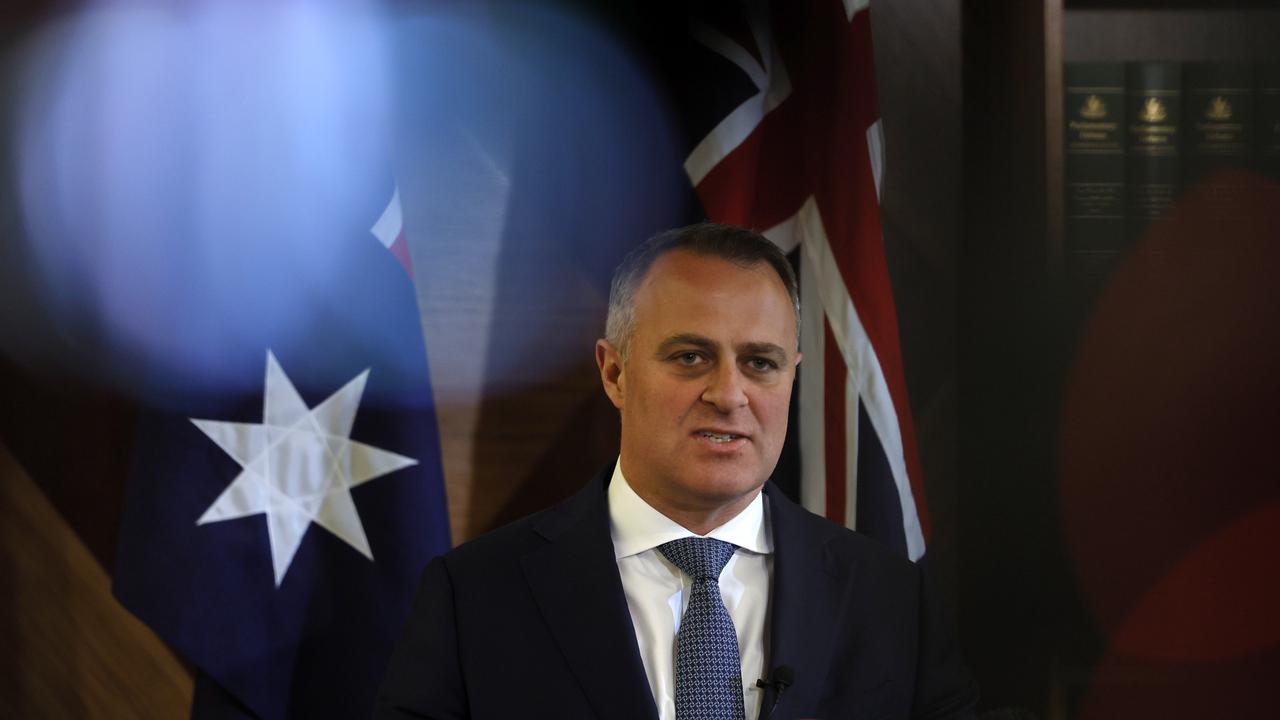
Analysis by shadow treasurer Tim Wilson showed Commonwealth debt would hit more than 100 per cent of GDP if productivity continued to grow at 0.3 per cent – the average over the past decade.
“It is unclear how the highest tax burden ever, particularly on investment, will achieve the miracle productivity turnaround this report is relying on,” Mr Wilson said.
The ageing population, turbulent global politics and an uncertain productivity outlook will also place increasing pressure on young workers.
By 2066, the average life expectancy will rise to 89.5 years for women and 86.1 years for men, up about four years from current levels, placing Australians among the world’s longest-lived populations.
But declining fertility means the share of over-65s to working-age Australians will rise from about 28 per cent to 39 per cent.
Deaths were projected to outnumber births by the 2060s – the first such forecast since former treasurer Peter Costello launched the Intergenerational Report in 2002.
As a result, income tax is projected to rise from 12.3 per cent of GDP to 14.1 per cent.
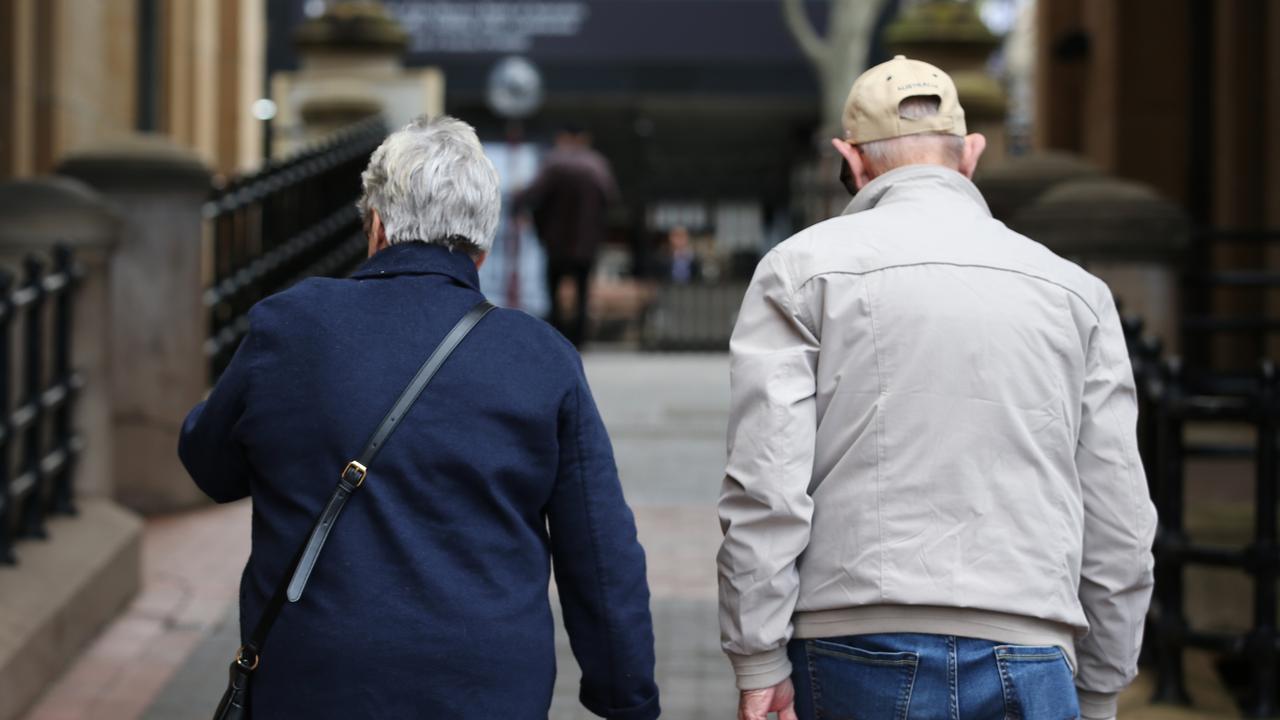
“Over time, working-age Australians will support a growing number of older Australians who are living longer and driving demand for health and aged care services,” the report said.
But Dr Chalmers said growing superannuation balances would provide more financial security for retirees and reduce the strain on the federal budget.
Age pension payments are expected to fall from 2.3 per cent of GDP to 1.8 per cent by 2066.
“No previous (report) has contended with global challenges this great, with politics this fraught or a future less certain,” the treasurer said in a speech in Canberra.
AAP