Speaking up for lives harmed by alcohol in the womb
Chelsea Heaney |
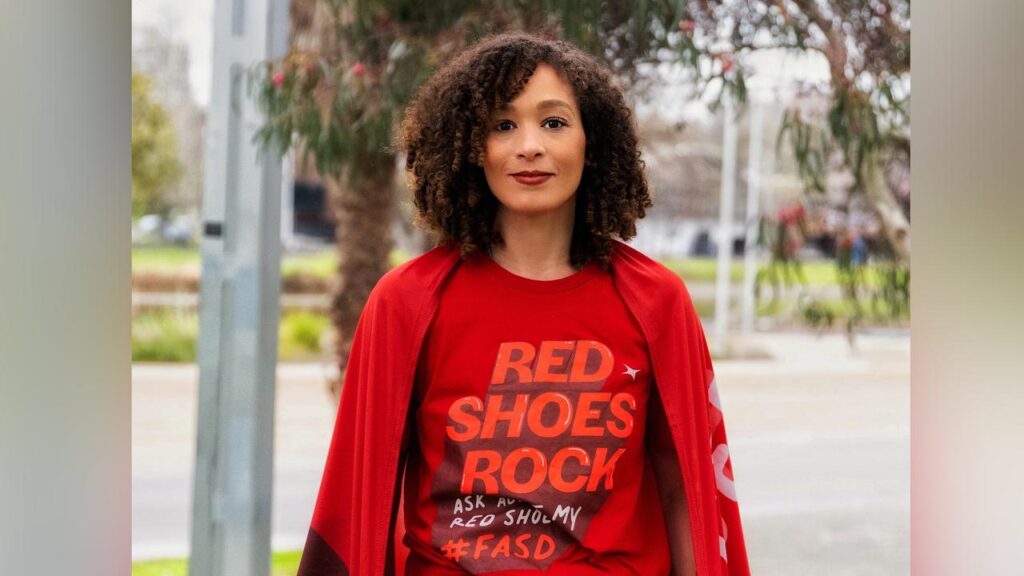
Bedridden by her late 20s and “laughed out of doctors’ offices”, it took years for Jessica Birch to receive a life-changing diagnosis.
Now she is sharing her story to help the estimated more than one million Australians also affected by her lifelong condition.
Ms Birch is speaking out as part of national efforts to destigmatise and raise awareness of support for Fetal Alcohol Spectrum Disorder, or FASD.
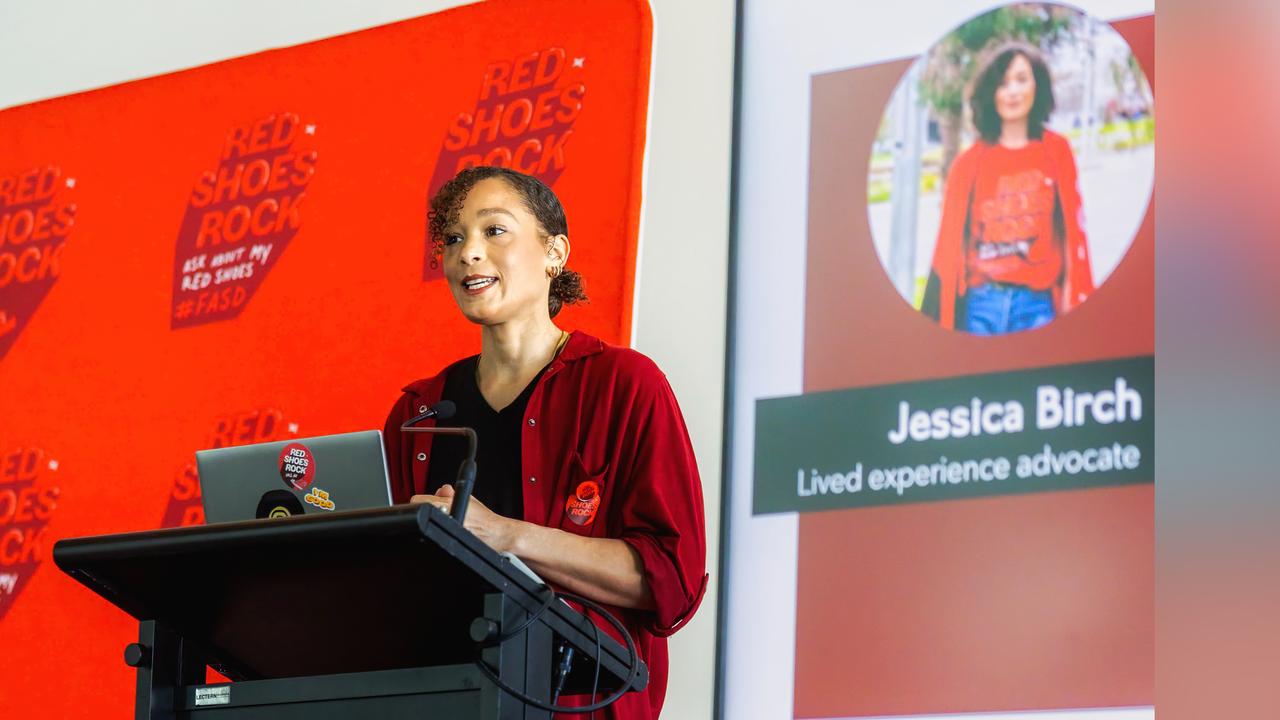
She hopes her lived experience and advocacy will save others years of being “horrendously gaslit”.
FASD is a physical and neurodevelopmental condition caused by prenatal alcohol exposure.
An Australian-first study in 2025 estimated its prevalence within the general population at 3.64 per cent or almost four per 100 people.
It is an issue Ms Birch says has been swept under the rug, leading to unnecessary hurt and suffering for roughly one in 28 Australians.
“There’s so much shame and silence that needs to be undone,” she tells AAP.
“I’m hoping my contributions publicly help: do not keep us in the dark, do not continue to stigmatise.”
Australians are not aware of how pervasive yet woefully under-diagnosed the condition is, according to National Organisation for Foetal Alcohol Spectrum Disorder chief executive Sophie Harrington.
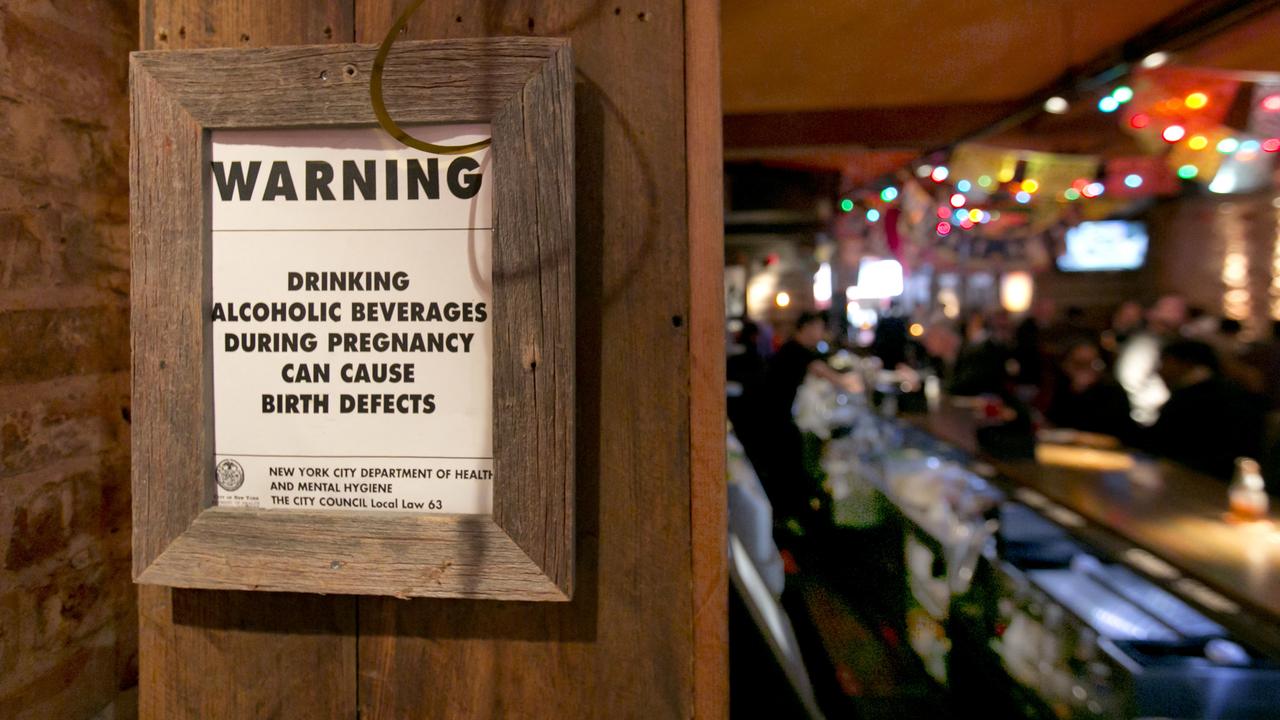
“There is still an alarming rate of people who don’t realise consuming alcohol during pregnancy, during the planning phase and whilst trying to get pregnant, can cause lifelong disability,” she says.
“Many people will have other diagnoses but not the FASD diagnosis because they’ve never been asked or are not aware of prenatal alcohol exposure.
“That actually could have been the environmental factor that made the biggest difference to their brain-based disability, so it is very commonly misdiagnosed or under-diagnosed.”
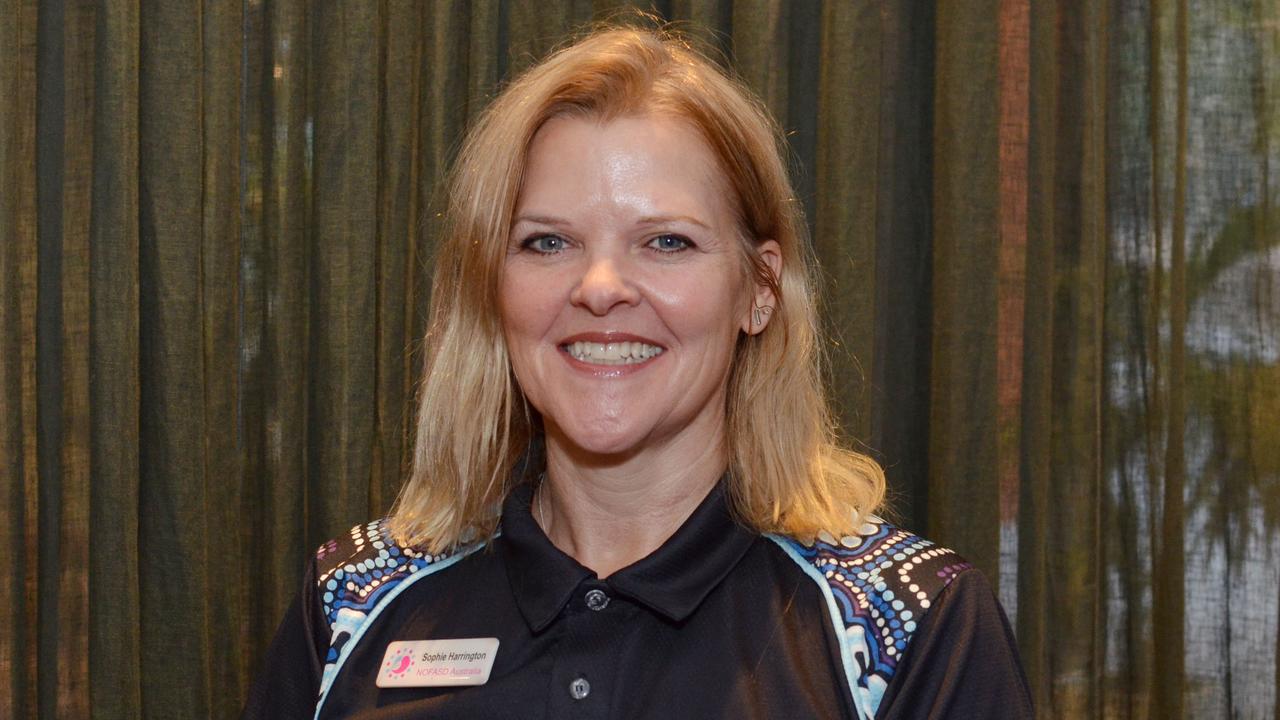
Ms Harrington says there’s a misconception only specific populations, socio-economic groups or high alcohol consumers are affected.
“Social drinking also is something that is in the culture within Australia,” she says.
“It’s very, very common yet many people do not know they’re pregnant.”
Ms Birch had been chronically ill for a decade before her mother came across FASD on a television program and began researching it.
But it would take another four years, leaving doctors’ offices in tears after being “laughed at” and mocked, before she received confirmation.
Just like one in four pregnancies in Australia, according to the Medical Journal of Australia, Ms Birch’s birth was unplanned.
Her mother had been on contraceptives when she conceived and didn’t know she was pregnant until the second trimester.
Ms Birch remembers experiencing difficulty engaging socially with other kids from age four.
“I sat on the periphery a lot. I always felt like I was this outsider looking in and as I grew and entered the school system, that only became more pronounced and more difficult,” she says.
“What I was seeing other children and other people around me being able to do seemingly with ease but was very difficult for me became an internalised sort of self-loathing.”
Even though Ms Birch describes her home as loving, stable and supportive, grappling with an undiagnosed condition caused her health to worsen.
“I was also dealing with a lot of the physical impacts of the alcohol exposure often not talked about,” she says.
“When you live with FASD you can’t navigate those things without support and if no one knows you’re actually struggling, it becomes very difficult.
“My experience is that I internalised all of that and it became deeply, deeply problematic.”
Ironically, her communication skills led to her hiding the severity of her symptoms.
“My ability with words masks a lifetime of being unable to meet the expectations that come with using them,” she says.
After struggling through school, she continued to deteriorate during her 20s, at a time she hoped she’d be building a life and moving forward.
“I spent five years at a women’s health clinic being horrendously gaslit,” she says.
“I became unable to participate in everyday life. I was bedridden.”

Supported by her mother, she fought to obtain a diagnosis.
“I was laughed out of doctors’ offices,” she says.
“I was scoffed at, I had eyes rolled at me, I was questioned about why I would think that.
“I was denied referrals … I left one specialist’s office in tears.”
Finally being told she had FASD was life-changing.
“It was like the weight of decades of confusion and self-loathing, and misunderstandings and broken relationships and feelings of failure and that I was just stupid, could be released,” she says.
“A diagnosis doesn’t relieve you of the challenges you’re facing but it creates meaning, it creates understanding and it creates a pathway forward.
“I’d been stumbling through this world not being able to meet the expectations others placed on me, not being able to meet my own expectations.”
Ms Birch says diagnostic delays could be prevented with more awareness and education among professionals.
“We really need to start more broadly training our health professionals to be able to recognise this complex presentation,” she says.
What can’t be stressed enough, she says, is the importance of understanding it doesn’t take excessive amounts of alcohol to cause FASD and it is not intentional harm.
“I speak up and we share this information not to shame and blame … this is about empowering Australians, empowering women, empowering families with accurate, up-to-date, correct information,” she says.
NOFASD has supported more than 22,000 families and individuals and more than 1000 professionals in the past five years.
“Nobody is intentionally trying to harm their baby,” Ms Harrington says.
“It comes from a space of not even knowing you’re pregnant, not understanding the risks or needing significant support to be able to cease the alcohol consumption.”
Ms Harrington also calls out another misconception that addressing FASD needs only to be shouldered by women.
“If you have the opportunity to plan a pregnancy, then consider ceasing alcohol consumption for the maternal and paternal partner in the lead-up,” she says.
“During conception is really important from the male perspective as well because it does in fact impact the genetics of the foetus.”
As Ms Birch continues to speak across the country as a part of the Red Shoes Rock campaign, with September being FASD Awareness Month, she also aims to highlight the strengths of people with FASD.
“If the public is able to accept, accommodate and understand why they need to do things differently, you’ll actually see how much an individual with FASD has to offer,” she says.
Ms Harrington says she is astounded every day by the determination of people living with FASD.
“When you lean into someone’s interests and their strengths, the outcomes you get just blow me away,” she says.
AAP