Australia assisting man facing death penalty in Syria
Andrew Brown |
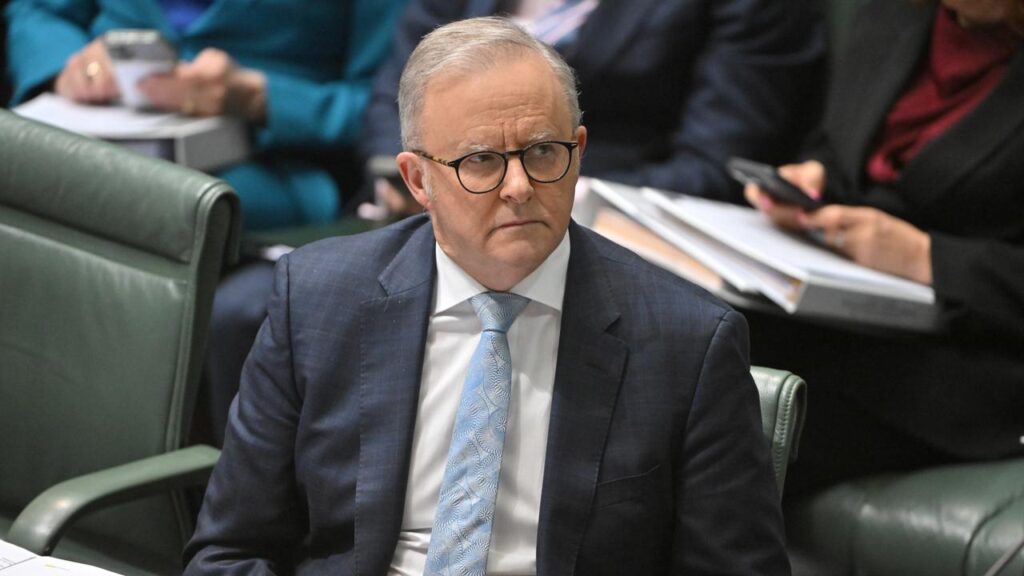
Protections are being sought for an Australian man facing a possible death penalty in Syria over the alleged murder of a fellow national.
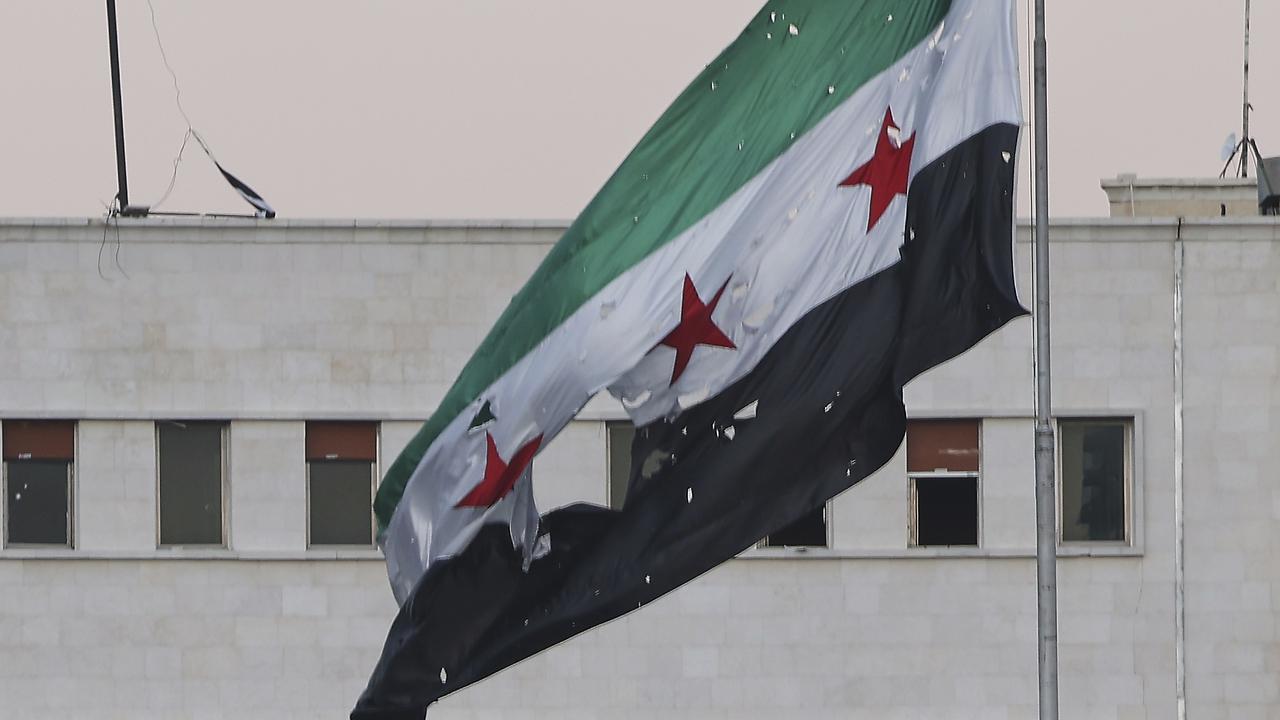
Gold Coast man Patrick James Stevenson, 20, has been detained for seven months in the conflict-ridden Idlib province of Syria over the shooting death of Australian man Abdullah Glen Charles Burgess in December.
Pre-meditated murder in Syria is punishable by death.
However, Mr Stevenson could be spared execution under Syria’s legal system if Mr Burgess’s widow grants forgiveness in the form of a blood-money payment.
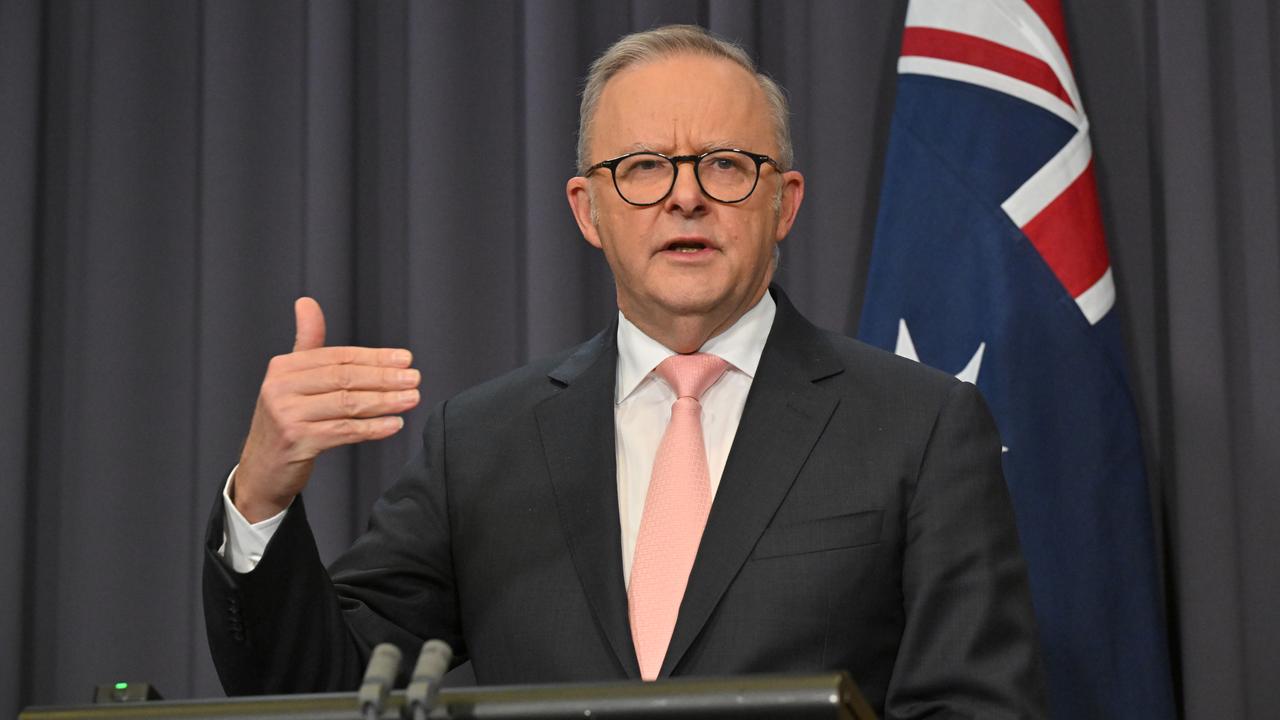
Prime Minister Anthony Albanese said the federal government was providing assistance to both families.
“Legal processes will take their course overseas, of course, and that is appropriate,” he told ABC TV on Thursday.
“I feel for the families of the person who’s lost their life, and we’ve connected with them and providing support for them.
“We’re also providing support for the family of the person who’s been charged.”
Australian lawyer Bernadette Zaydan is acting for Mr Stevenson.
“I have briefed Mr Greg Barns SC and junior counsel, Ms Ran Zaydan to ensure that our client is afforded his full legal rights, particularly those protections guaranteed under international law,” she said in a statement.
“We have asked for the co-operation from the Australian government and his local legal representative.”
Mr Stevenson is reported to have travelled to Syria in 2025 after becoming radicalised while living on the Gold Coast.
Young Australians were being radicalised in much lower numbers since the dismantling of the Islamic State’s caliphate in 2019, Macquarie University international studies expert Julian Droogan said.
“We are looking at less Australians going overseas and less Australians who are being groomed online,” he said, as extremists instead turned their attention to work locally.
The Islamic State’s sophisticated digital platforms for recruiting foreign citizens no longer exist.
“Jihadism not longer has the glamour … and fame attached to it that it did during the time of the Islamic State,” Professor Droogan said.
“There will always be some (people attracted to it) and I don’t want to suggest it’s not an issue because it is.”
It is not known how Mr Stevenson allegedly became radicalised.
Australia does not have a diplomatic presence in Syria, which has limited the ability for consular support.
AAP